
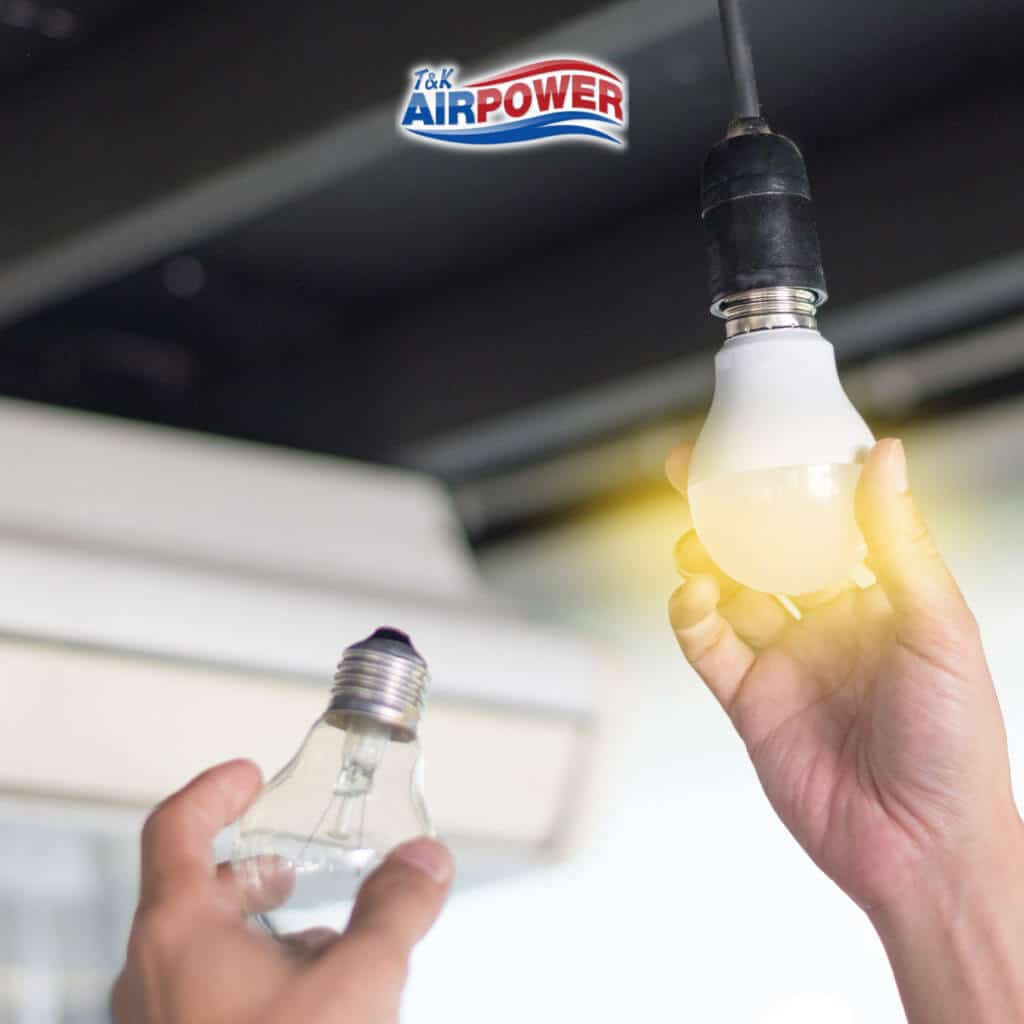
Why Are My Lights Not Working? Signs You Need an Electrical Repair Specialist
Lights not working? This common issue is more than just an inconvenience, it’s a potential safety risk. This guide will help you understand common causes of lighting problems, warning signs of more serious electrical issues, and when it’s time to call a professional. By recognising these key points, you’ll be better equipped to handle lighting failures and ensure your home remains safe and well-lit.
Common Causes of Lights Not Working Light failures can stem from various issues:
- Burnt-Out Bulbs: Often the simplest cause; check for discoloration or a broken filament and consider replacing with energy-efficient bulbs to reduce future occurrences.
“The LED light bulb is more than ten times the efficiency of regular incandescent lighting, so it can save the world hundreds of billions of dollars in electricity costs.” – Shuji Nakamura, a Japanese-American Electronic Engineer and Inventor of the Blue LED
- Faulty Switches: These can disrupt circuits; if lights flicker or switches are unresponsive, it’s best to consult a professional.
- Tripped Circuit Breakers: According to a blog by CircuitIQ, a trip on the breaker could be anything from an electrical surge or power outage to a faulty appliance. Often, these occur when a circuit overloads. Resetting the breaker might resolve the issue, but repeated trips require professional attention.
- Blown Fuses: Common in older homes; check for continuity and replace if necessary, but recurring issues indicate a deeper problem.
- Loose Wiring Connections: These can cause lights to flicker or fail and require a professional to ensure safety.
Warning Signs of Electrical Problems
Be aware of flickering lights, buzzing fixtures, hot switches, frequent bulb burnouts, and strange odors near electrical sources. These signs can indicate underlying issues that need immediate professional attention.
- Flickering or Dimming Lights: Flickering and dimming lights, according to the blog, What Causes Flickering and Dimming Lights? can be more than just a nuisance, they can signal potential electrical issues that demand immediate attention. They could be due to loose wiring, overloaded circuits, or main panel problems. They pose fire safety risks and can disrupt home automation systems.
- Buzzing Sounds From Fixtures: Often a sign of loose wiring or faulty ballasts, leading to overheating and potential hazards.
- Hot or Discolored Switches and Outlets: These symptoms often suggest overloading or faulty wiring and require urgent professional inspection.
| Symptom | Potential Cause | Action Required |
| Warm switch | Overloaded circuit | Professional inspection |
| Discolored outlet | Loose wiring | Immediate repair |
| Burning smell | Electrical fault | Turn off power and call expert |
Safety Risks of Ignoring Lighting Issues
Overlooking lighting problems can lead to:
- Potential Electrical Fires: Faulty wiring or overloaded circuits can generate excessive heat, igniting materials.
- Risk of Electric Shock: Exposed or damaged wiring increases the danger of electric shock.
- Damage to Electrical Appliances: Voltage fluctuations and power surges from poor wiring can harm appliances.
- Energy Wastage and Higher Bills: Inefficient systems increase energy consumption unnecessarily.
- Reduced Home Security: Poor lighting can make homes more susceptible to accidents and break-ins.
“At the end of the day, the goals are simple: safety and security.” – Jodi Rell, was an American Politician
When to Contact an Electrical Repair Specialist
Call a professional if you encounter persistent lighting failures, repeated breaker trips, signs of electrical overheating, outdated wiring systems, or after experiencing electrical surges. Specialists in electrical repairs can offer:
Benefits of Professional Electrical Repairs
- Accurate Diagnosis: Advanced tools help identify the true source of electrical issues quickly.
- Safe and Reliable Repair Work: Adhering to safety codes, professional work minimizes risks of accidents and ensures long-lasting solutions.
- Compliance With Electrical Codes: Ensures all work meets legal standards, maintaining the integrity and value of your home.
- Prevention of Future Problems: Thorough inspections and proactive repairs prevent costly issues later.
Steps to Take if Your Lights Stop Working
- Perform a Basic Visual Inspection: Check for obvious signs like burnt-out bulbs or loose connections.
- Reset Tripped Circuit Breakers Safely: Locate your electrical panel and reset any misaligned breakers to see if this resolves the issue.
- Avoid Attempting DIY Electrical Fixes: To prevent hazards, leave complex repairs to professionals.
Understanding why your lights aren’t working and recognizing when to seek professional help are crucial for maintaining a safe and efficient home. Timely intervention by electrical repair specialists not only resolves immediate concerns but also safeguards against future risks, ensuring peace of mind for homeowners.
Concerned about your home’s electrical safety? Put your mind at ease and keep your home safe by taking the help of our certified electrical experts at T&K Airpower. Book a service today to ensure your electrical systems are up to code and functioning safely.
FAQs
Why are my lights not working?
Lights can stop working due to several common issues such as burnt-out bulbs, faulty light switches, tripped circuit breakers, blown fuses, or loose wiring connections. Check these elements to diagnose the problem.
What causes lights to flicker in my house?
Flickering lights are often caused by loose wiring, voltage fluctuations, overloaded circuits, or issues with the home’s main electrical panel. It’s essential to address these problems quickly to avoid potential safety risks.
How do I fix a light that won’t turn on?
Start by checking if the light bulb is burnt out and needs replacing. If new bulbs don’t work, inspect the light switch and circuit breaker for faults. If these steps don’t resolve the issue, consult a professional electrician.
Can a bad light switch cause lights to not work?
Yes, a faulty light switch can prevent electricity from reaching the light fixture, thus stopping the lights from working. If your switch is loose, unresponsive, or causes flickering, it may need to be replaced.
What should I do if my circuit breaker keeps tripping?
If a circuit breaker trips repeatedly, it’s a sign of an overloaded circuit or a serious electrical fault. Reduce the load on the circuit by unplugging some devices, and if the problem persists, call an electrician.
How often should electrical wiring be checked in my home?
Electrical wiring should be inspected at least every 10 years for an owner-occupied home and every 5 years for a rented home. However, if you notice any signs of damage or aging, such as discolored switches or outlets, schedule an inspection sooner.
What are the signs that I need to replace my home’s electrical wiring?
Signs that you may need to replace your wiring include frequent breaker trips, flickering lights, buzzing sounds from electrical outlets, a burning smell, or any visible damage to wires.
Is it safe to do electrical repairs myself?
While you can perform simple tasks like replacing a light bulb, more complex electrical work should always be done by a professional. DIY electrical repairs can be dangerous and may lead to further damage or violate local codes.
Want to keep your home safe from electrical hazards? Schedule a free lighting and electrical inspection with our expert technicians at T&K Airpower today and ensure your home is safe and secure! Contact us!