
When Should You Call for Domestic Electrical Services? A Homeowner’s Guide
Electrical issues in the home can range from mild inconvenience to serious safety hazards, and domestic electrical services help ensure your system is safe, compliant, and functioning reliably. This guide explains how to recognise early warning signs, differentiate between minor issues and genuine emergencies, and understand when professional repairs or maintenance are needed.
You’ll learn how to respond to flickering lights, frequent breaker trips, burning smells, and shocks, along with the immediate safety steps to take until an electrician arrives. Use the checklists and tables throughout this guide to quickly identify what’s normal, what requires monitoring, and what demands urgent action.
“Within the problem lies the solution.”, Milton Katselas, was an American-Greek director and producer of stage and film
What Are the Key Signs You Need Domestic Electrical Services?
One of the clearest signs you need domestic electrical services is when electrical components behave abnormally or repeatedly fail. These symptoms often indicate deteriorating wiring, faulty breakers, loose connections, or overloaded circuits. Recognising them early reduces fire risk and protects appliances from damage.
Common signs include:
- Flickering or dimming lights
- Circuit breakers that frequently trip
- Burning smells or warm outlets
- Buzzing switches, intermittent power, or unusual noises
These issues require attention because they often escalate quickly if left unaddressed.
Introductory Diagnostic Table for Quick Homeowner Triage
| Symptom | Likely Cause | Immediate Homeowner Action |
| Flicking lights across rooms | Loose neutral, voltage fluctuation, or wiring fault | Note pattern, tighten bulbs, stop using heavy appliances, book inspection |
| Circuit breaker tripping repeatedly | Overload, short circuit, faulty appliance, aged wiring | Reset once, unplug suspect devices; if it persists, call an electrician |
| Burning smell or hot switch/outlet | Overheating connections, arcing, overloaded circuit | Turn off power to affected area, unplug devices, evacuate of smoke is present |
How Do Flickering Lights Indicate Electrical Problems?
According to a blog by Real Simple, not all flickering means your home is facing an electrical meltdown, but take the signal as something worth investigating. Flickering lights signal instability in your electrical system. When one light flickers, the issue may be a loose bulb or faulty fixture. But when multiple lights flicker across different rooms, the cause is more serious, often a loose neutral, wiring issue, or voltage fluctuation.
Homeowners should:
- Tighten bulbs and check if the flickering persists
- Note when and where flicker occurs
- Avoid using high-draw appliances temporarily
- Schedule a licensed electrician if flicker is consistent or widespread
Persistent flickering can damage electronics and mask deeper problems, so professional diagnosis is recommended.
What Does Frequent Circuit Breaker Tripping Mean for Your Home?
A breaker that trips occasionally is doing its job. But frequent trips indicate an underlying fault that must be addressed. Common causes include: :
- Circuit overload
- Short circuits
- Faulty appliances
- Ageing or deteriorating wiring
Reset the breaker only once, unplug appliances, and test the circuit. If it continues to trip, stop using the circuit and book an electrician. Repeated trips can indicate serious hazards behind walls.
“When solving problems, dig at the roots instead of just hacking at the leaves.” – Anthony J. D’Angelo, author
When Is It an Electrical Emergency That Requires Immediate Professional Help?
According to the blog What Is An Electrical Emergency? Pros & Cons, understanding what constitutes an electrical emergency and how to handle it is crucial for the safety of both individuals and property. An electrical situation becomes an emergency when there is a direct threat to personal safety or property. In these cases, act immediately.
Common electrical emergencies:
- Sparks or visible arcing from outlets or switches
- Strong burning smells or smoke coming from a switchboard
- Electric shocks when touching appliances or switches
- Flames or overheating components
In emergencies:
- Evacuate if there is smoke or fire
- Turn off power only if safe
- Keep clear of affected areas
- Call emergency services if flames are visible
What Are the Warning Signs of Electrical Emergencies in Your Home?
Electrical emergencies often present clear, non-ambiguous symptoms:
- Flames or sparking from outlets
- Continuous burning smell
- Hot switchboards
- Shocks when plugging in or touching appliances
These warning signs should never be ignored. Prioritise safety, isolate power if possible, and call an electrician immediately.
How Should Homeowners Respond Before the Electrician Arrives?
Take simple, safe steps while waiting for help:
- Turn off the main switch if safe
- Unplug devices from affected areas
- Keep people and pets away
- Ventilate lightly if there is smoke
- Do NOT open switchboards or attempt DIY repairs
- Document symptoms, including smells, sounds, and recent appliance use
Providing clear details helps the electrician diagnose issues quickly.
Why Should You Always Hire a Licensed Electrician for Domestic Electrical Repairs?
Licensed electricians ensure safety, compliance, and durability of repairs. They:
- Follow strict wiring regulations
- Use certified replacement parts as
- Diagnose faults accurately
- Prevent hidden hazards like arcing or poor earthing
- Provide insurance-compliant and warranty-backed work
Attempting unlicensed repairs often leads to recurring faults, fire risks, and voided insurance.
What Qualifications and Expertise Should Adelaide Electricians Have?
A qualified electrician should have:
- Current electrical licensing
- Public liability insurance
- Knowledge of local wiring rules
- Experience with domestic electrical repairs
- Clear pricing and documented warranties
- Additional specialised training when working with connected systems (e.g., air-conditioning, smart home wiring)
These indicators help ensure you’re hiring a competent, compliant professional.
How Do Professional Repairs Ensure Safety and Compliance?
Professionals ensure long-lasting safety by:
- Using compliant materials
- Testing circuit breakers, safety switches, and earthing systems
- Inspecting wiring quality
- Documenting work for legal and insurance purposes
- Ensuring all fixes meet current standards
This protects homeowners from hazards and reduces future repair costs.
How Can Regular Maintenance Prevent Electrical Issues and Save Costs?
Routine maintenance helps identify small issues before they grow into expensive emergencies. Benefits include:
- Reduced fire and shock risk
- Longer appliance life
- Fewer breakdowns
- Lower long-term costs
A simple maintenance plan includes smoke alarm testing, outlet inspections, and periodic switchboard checks.
Maintenance Checklist
| Component | What to Check | Recommended Frequency / Action |
| Smoke alarms | Battery, operation, interconnectivity | Test monthly, professional inspection annually |
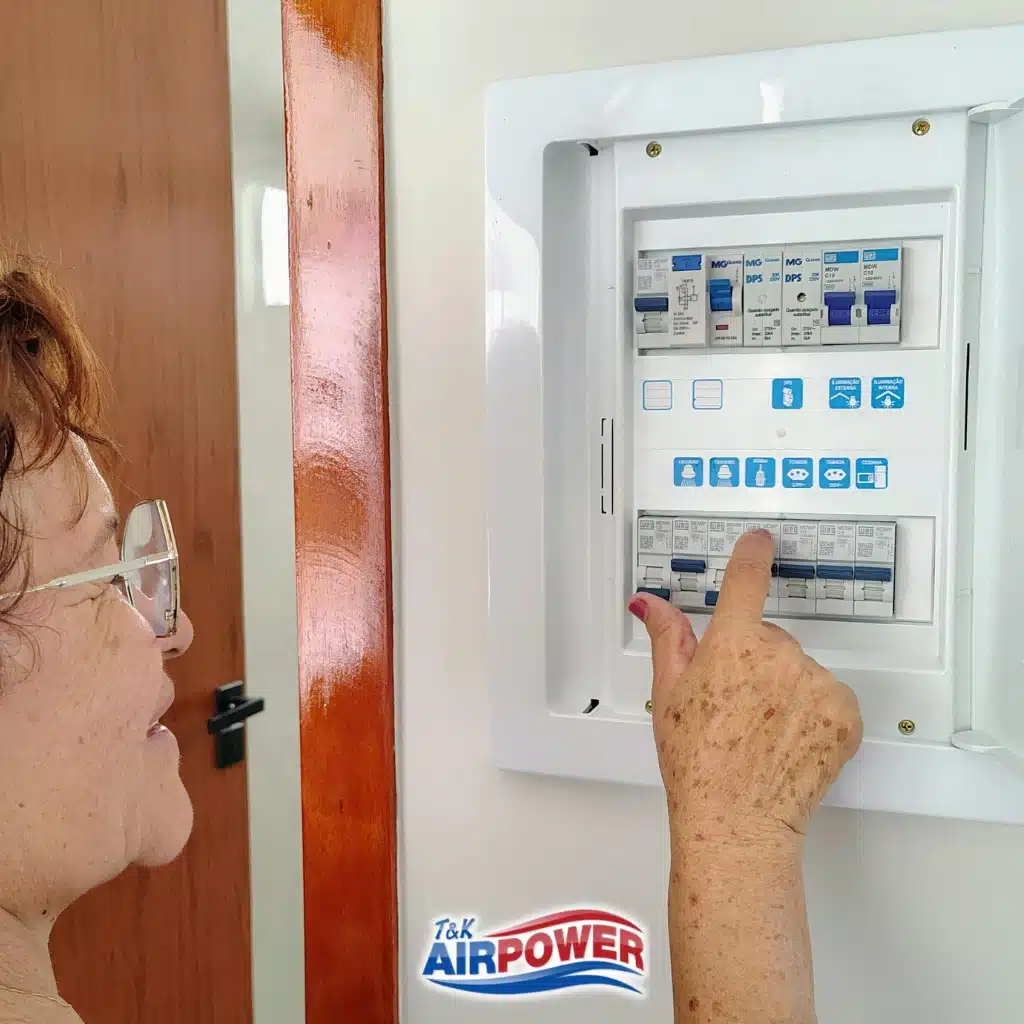
| Switchboard | Thermal signs, secure sections, labelling | Inspect every 2–5 years; upgrade when advised |
| Power points/outlets | Loose fits, discoloration, residual heat | Visual check annually; replace damaged outlets promptly |
What Are the Essential Electrical Maintenance Tips for Homeowners?
Homeowners can safely complete basic preventative tasks:
- Test smoke alarms monthly
- Avoid overloading power boards
- Keep outlets dry and dust-free
- Unplug damaged or overheating appliances
- Visually inspect outlets and switchboards for scorch marks
If anything unusual is found, stop using the affected circuit and arrange a professional inspection.
When Should You Schedule Electrical Inspections and Upgrades?
Book an inspection when:
- Moving into an older property
- Completing renovations
- Experiencing frequent breaker trips
- After water damage
- Noticing intermittent power or unexplained electrical behaviour
These situations often reveal outdated wiring, overloaded circuits, or hidden faults.
If you need professional assistance, use the checklists and tables in this guide to document symptoms so your electrician can diagnose and resolve issues efficiently. Routine upkeep and timely domestic electrical repairs create a safer, more reliable home environment.
If you’re unsure whether your issue is urgent or can wait, it’s always safer to ask. Contact T&K Airpower to discuss your symptoms with a licensed electrician and get clear advice on the next best step.
FAQs
When should I call domestic electrical services for my home?
Call domestic electrical services if you notice flickering lights, frequent breaker trips, burning smells, shocks, or hot outlets. These signs often mean faults that need a licensed electrician.
What’s the difference between a minor issue and an electrical emergency?
A minor issue is occasional and not clearly unsafe, like a one-off flicker in a single light. An electrical emergency involves sparks, smoke, flames, strong burning smells or repeated shocks and needs urgent professional help.
Are flickering lights dangerous and do I need an electrician?
Flickering from one light may be a loose bulb or fitting. If multiple lights or rooms are affected, it can indicate wiring or voltage issues and you should book domestic electrical services.
Why does my circuit breaker keep tripping?
A breaker that keeps tripping usually signals an overload, short circuit or faulty appliance. Reset it once, unplug devices and if it trips again, stop using the circuit and call an electrician.
What should I do if I smell burning or see sparks from an outlet?
Treat burning smells, smoke or sparks as an emergency. Turn off power if safe, keep clear of the area, evacuate if there is smoke or fire and contact an emergency electrician.
Why is it important to use a licensed electrician for domestic electrical repairs?
Licensed electricians follow wiring rules, work safely and keep your home compliant. This reduces fire and shock risks and helps protect your insurance and warranty coverage.
How often should I have my home’s electrical system inspected?
Arrange an inspection when you move into an older home, after renovations or if you experience repeated faults. Many homeowners also schedule routine checks every few years for peace of mind.
What electrical maintenance can homeowners safely do themselves?
You can test smoke alarms, avoid overloading power boards and visually check outlets for damage or discolouration. Any unusual heat, smells or marks should be checked by domestic electrical services.
Think you’ve spotted one of these warning signs in your home? Book a domestic electrical safety check today and have our licensed electrician from T&K Airpower diagnose the problem before it escalates to an emergency.