
This is why your air conditioner is leaking water outside!
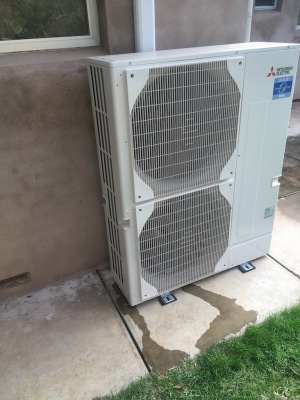
If your air conditioner is leaking water outside, it is almost always condensation, and in most cases it is completely normal. As the system runs, the outdoor unit gets cold enough for moisture in the air to condense on the coil and drip out the base, the same way a cold drink bottle sweats on a warm day. The water only points to a problem when there is an excessive amount, which usually means a blocked outdoor coil, restricted airflow, or a drain that needs attention. Here is how to tell the difference and what to do about it.
Your air conditioning unit is heating your home during Winter. This means the indoor unit is blowing warm air throughout your home and raising the indoor temperature. The opposite is happening outside. During heating operation, the outdoor unit will actually cool, hence the name reverse cycle, and the outdoor coil will become quite cold. Due to low outdoor temperatures, the temperature of the outdoor unit coil will drop below the dew point temperature outside.
What is dew point temperature?
Dew point is the temperature at which the air can no longer hold moisture, causing dew or condensation to form. Like pulling a cold bottle of water out from the fridge, the surface of the water bottle is colder than the dew point temperature of the ambient air. Eg. if the dew point temperature is 10 deg C and the bottle of water is 2 Deg C, condensation will form.
So why is there water?
As the outdoor unit coil drops in temperature and the dew point temperature is reached, water is pulled from the air and condenses on the coil itself. This water runs down the coil and pools in the bottom of the unit. Most air conditioning units will have small holes in the base plate which allows water to leave the bottom of the unit, preventing rust formation and flooding. If the unit has no drain connected, this water will just drip onto the ground and pool around the unit.
So the water is normal?
YES! Water from the outdoor unit generally means the unit is doing its job and the refrigeration side of the system is operational. This doesn’t mean the unit is running perfectly as there are many factors that can affect performance but water is definitely a good sign IF the indoor unit is heating well.
Make sure you check this!
This has been an issue on a few recent job we have attended this Winter. When the outdoor unit coil (back of the unit) is blocked or partially restricted, water accumulation can increase. Put simply, the restriction will reduce airflow of the outdoor unit causing the coil temperature to drop even further away from the dew point. This increases the condensation of water on the outdoor unit coil and in turn, increases the amount of water pooling around the unit. Ensuring the back of the unit coil is clear of dirt, leaves, dog hair etc is extremely important to allow correct operation. we also see tarps, cardboard boxes, foam etc stored behind the unit which will reduce airflow. Using a banister brush and a garden hose, you can easily clean most debris from the air conditioning outdoor unit coil. Contact an air conditioning professional if further chemical cleaning is required. If the unit is not heating or cooling properly, or the water keeps returning after a clean, book an air conditioner repair and we will check the system.
Another cause of excess water can be air re-circulation. This is often due to poor installation of the outdoor unit. If the unit is too close to a fence or wall, the cold outdoor unit air can re-circulate behind the outdoor unit. This further cools the outdoor coil, resulting in an increase of condensation and a reduction in performance. We have covered this in another blog post if you want to know more! – Check out our deflectors blog post here.
Can I drain the water away?
There are a few ways to drain the condensation water away from the outdoor unit. Most major brands sell a drain kit which matches the outdoor unit. The drain kit can be installed under the unit which is then connected to a drain pipe. Alternatively, a drain pan can be installed under the air conditioner unit which can also be plumbed to a drain pipe. Both options can be run to a garden bed or drainage point to drain the water away.
In a nutshell
- Water pooling around a reverse cycle air conditioning outdoor unit is normal.
- Excess water can be a symptom of a blocked outdoor coil. Check the back of your air conditioning unit for a buildup of dirt and/or debris.
- Water from the outdoor air conditioning unit can be drained away with a drain kit or drain pan.
- If you are are concerned about the amount of water, book an air conditioner repair in Adelaide and our team will inspect the unit operation and outdoor unit location.
Need help?
T&K Airpower have been working to keep Adelaide homes comfortable for the last 20 years. We specialise in Temperzone, Hitachi and Mitsubishi Electric air conditioning units and know how they tick. If you have problems with your Temperzone, Hitachi or Mitsubishi Electric air conditioning unit, or are you concerned about the amount of water your unit is producing?
Click here to get in contact with us and we will be more than happy to help.
Frequently asked questions
Why is my air conditioner leaking water outside?
Water outside your air conditioner is almost always condensation. As the system runs, the outdoor coil gets cold, moisture in the air condenses on it and drips out the base of the unit. In most cases it is normal and a sign the system is working. It only signals a problem when the amount is excessive, which usually means the outdoor coil is blocked, airflow is restricted, or the unit needs draining, in which case it is worth having it checked.
Is it normal for my air conditioner to leak water outside in winter?
Yes. In heating mode a reverse-cycle system runs its outdoor coil cold, and when the coil drops below the outdoor dew point, moisture in the air condenses on it and drips out the base. Water around the outdoor unit in winter usually means the system is working, as long as the indoor unit is still heating well.
When should I worry about water pooling around the outdoor unit?
A small amount is normal, but excess water can point to a blocked or restricted outdoor coil. Dirt, leaves, pet hair or items stored behind the unit (tarps, boxes, foam) cut airflow, drop the coil temperature further and produce more condensation. If the amount looks excessive or the unit is not heating properly, have it inspected.
How do I stop excess water pooling around my outdoor unit?
Keep the rear coil clear: remove dirt, leaves and debris with a banister brush and garden hose, and never store tarps, cardboard or foam behind the unit. Make sure it is not installed too close to a wall or fence, which re-circulates cold air and worsens condensation. For heavier build-up, book a professional chemical clean.
Can I drain the water away from the outdoor unit?
Yes. Most major brands sell a drain kit that fits under the outdoor unit and connects to a drain pipe, or a drain pan can be fitted underneath and plumbed away to a garden bed or drainage point.
Does water from the outdoor unit mean my air conditioner is broken?
No. Water from the outdoor unit generally means the refrigeration side is operational. It does not guarantee perfect performance, so if you are concerned about how much water there is or about the heating output, contact an Adelaide air conditioning specialist to check the unit and its location.
Concerned about the amount of water? Book an air conditioner service in Adelaide and our team will inspect the unit and its location.