
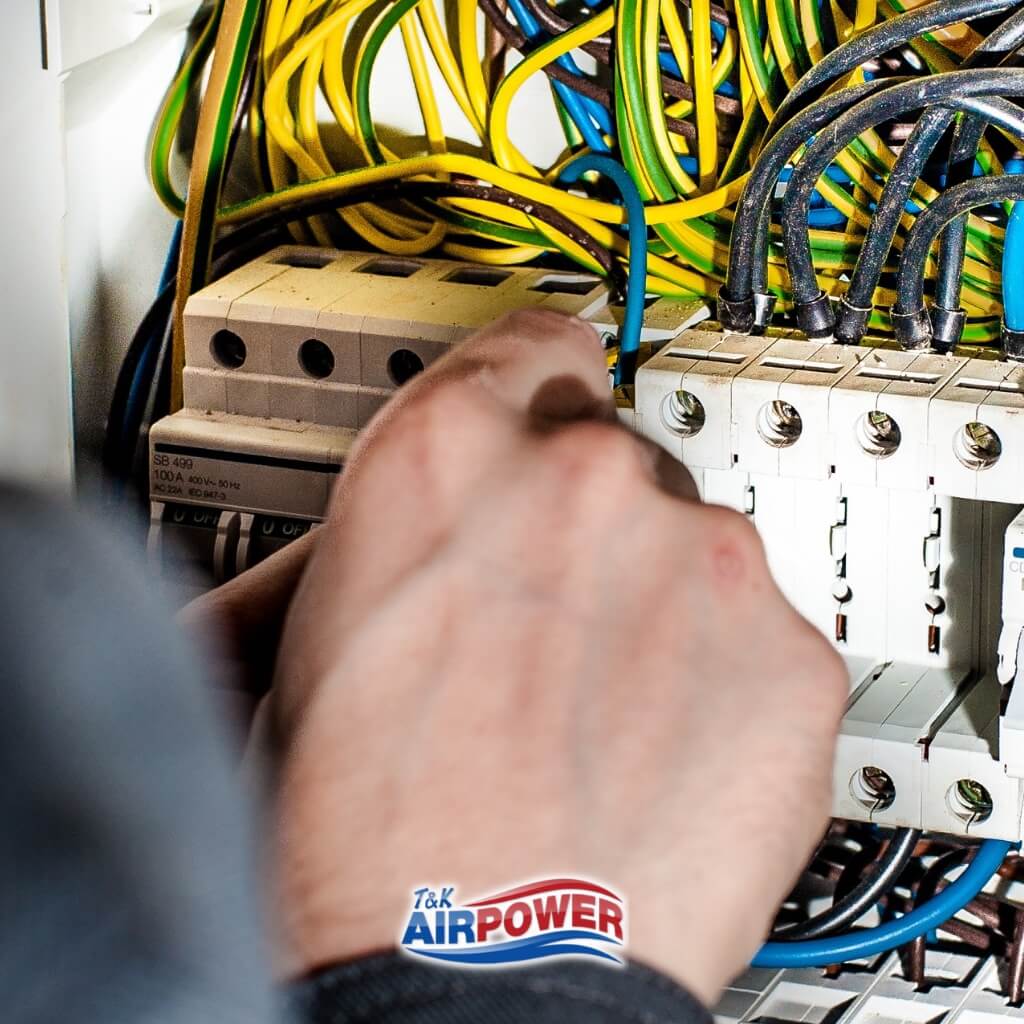
The Importance of Domestic Electrical Services for Ensuring Home Safety
Domestic electrical services are crucial in maintaining a safe home environment. These services range from routine maintenance to emergency repairs and are essential for ensuring your electrical systems function safely and efficiently. This article will cover how professional electricians contribute to home safety, the importance of regular electrical inspections, and the role of certified equipment.
“A home is a refuge from the world, a place of safety.” – Sarah Jio, an American Journalist and New York Times Bestselling Author
Understanding Domestic Electrical Services
Residential electrical services ensure the safety and functionality of your home’s electrical systems. Certified electricians handle tasks such as inspections, maintenance, and installations, preventing potential hazards and enhancing system efficiency. Their expertise is vital in managing everything from minor repairs to major system upgrades.
Identifying and Mitigating Electrical Hazards
Identifying signs of electrical issues is vital for maintaining safety. Warning signs can include flickering lights, burning smells, or unusually warm switches. Here are some common indicators that suggest a need for immediate professional attention:
- Frequent circuit breaker trips.
- Buzzing noises from outlets.
- Sparks when connecting appliances.
- Persistent burning odors.
According to the blog, Understanding Your Home’s Electrical System: Common Issues and Solutions, some electrical problems can be addressed through simple troubleshooting, but there are others that require the expertise of a licensed electrician to ensure proper diagnosis and repair. Electricians can quickly address these issues, reducing the risk of fire or injury.
The Importance of Residual Current Devices (RCDs)
RCDs are crucial in preventing electric shocks, especially in areas prone to moisture. These devices interrupt the power flow when a fault is detected, safeguarding against potential shocks. Ensuring your home is equipped with RCDs is an essential step in maintaining electrical safety.
Benefits of Regular Electrical Inspections
Regular electrical inspections are essential for detecting potential problems early. These inspections can extend the lifespan of your electrical system and prevent emergencies by ensuring everything functions as it should. In addition, according to a blog by CPD Online College, inspections also improve system efficiency, which helps in reducing waste and ensures that systems use only the power they need. Inspections are recommended every three to five years and are crucial for older homes or those with recent major electrical modifications.
“You can expect what you inspect.” – W. Edwards Deming, was an American business theorist, composer, economist, industrial engineer, management consultant, statistician, and writer
Safe Installation Practices
Safe installation practices are paramount for ensuring your electrical system’s safety and efficiency. This includes using certified equipment and adhering to local electrical codes, which helps prevent hazards and ensures optimal system performance.
Table: Comparison of Certified vs. Non-Certified Electrical Equipment
| Aspect | Certified Equipment | Non-Certified Equipment |
| Safety standards | Meets high safety standards | May not meet safety standards |
| Performance Reliability | Ensures reliable operation | Risk of frequent malfunctions |
| Compliance | Adheres to local codes | May violate codes |
| Insurance Coverage | Likely covered by insurers | Potential insurance issues |
| Warranty | Usually includes warranty | Limited or no warranty |
| Risk Hazards | Reduces risk of electrical problems | Higher risk of accidents |
Emergency Electrical Services
In an emergency, knowing how to respond can prevent further damage and ensure safety. Immediate steps include shutting off the main power and contacting a professional if you encounter severe issues like exposed wiring or significant appliance failures.
Educating Homeowners on Electrical Safety
Educating homeowners on electrical safety is essential for preventing accidents and promoting a secure living environment. Familiarity with safety protocols and regular professional assessments play key roles in maintaining a safe home.
Domestic electrical services play a pivotal role in safeguarding homes from electrical hazards. With regular maintenance, adherence to safety protocols, and the use of certified equipment, these services help ensure that electrical systems function safely and efficiently, protecting your property and loved ones from potential risks.
FAQs
What are domestic electrical services?
Domestic electrical services refer to all maintenance, repair, and installation tasks performed on a home’s electrical system by certified electricians to ensure safety and functionality.
Why is it important to have regular electrical inspections?
Regular electrical inspections are crucial to detect and resolve potential issues early, ensuring your electrical system remains safe and operates efficiently, thereby preventing costly and dangerous problems.
What are some common signs of electrical problems in the home?
Look out for flickering lights, burning smells, warm or discolored switches, frequent circuit breaker trips, and buzzing noises from outlets. These signs indicate possible electrical issues that need professional attention.
What is a Residual Current Device (RCD) and why is it important?
A RCD is a device designed to protect against electrical shocks by interrupting the power flow when a fault is detected. It’s particularly important in wet areas of the home, like bathrooms and kitchens.
How often should electrical inspections be conducted?
Electrical inspections should ideally be conducted every three to five years, but older properties or those with recent significant electrical modifications may require more frequent checks.
What should I expect during a professional electrical inspection?
During an inspection, an electrician will check your home’s wiring, outlets, and major appliances for safety and functionality. They use specialized tools to test circuit loads and identify hazards, providing a detailed safety report afterwards.
What are the risks of using non-certified electrical equipment?
Using non-certified electrical equipment increases the risk of malfunctions, electrical shocks, fires, and may void warranties or insurance coverage due to non-compliance with safety standards.
How can I respond to an electrical emergency at home?
In an emergency, immediately turn off the main power if safe to do so, and avoid touching electrical equipment or standing water near electrical sources. Call a professional emergency electrical service to handle the issue safely.
Don’t risk electrical hazards in your home. Whether it’s faulty wiring or a power issue, our experts at T&K Airpower are ready to help. Contact us today for your electrical inspection and repair needs.