
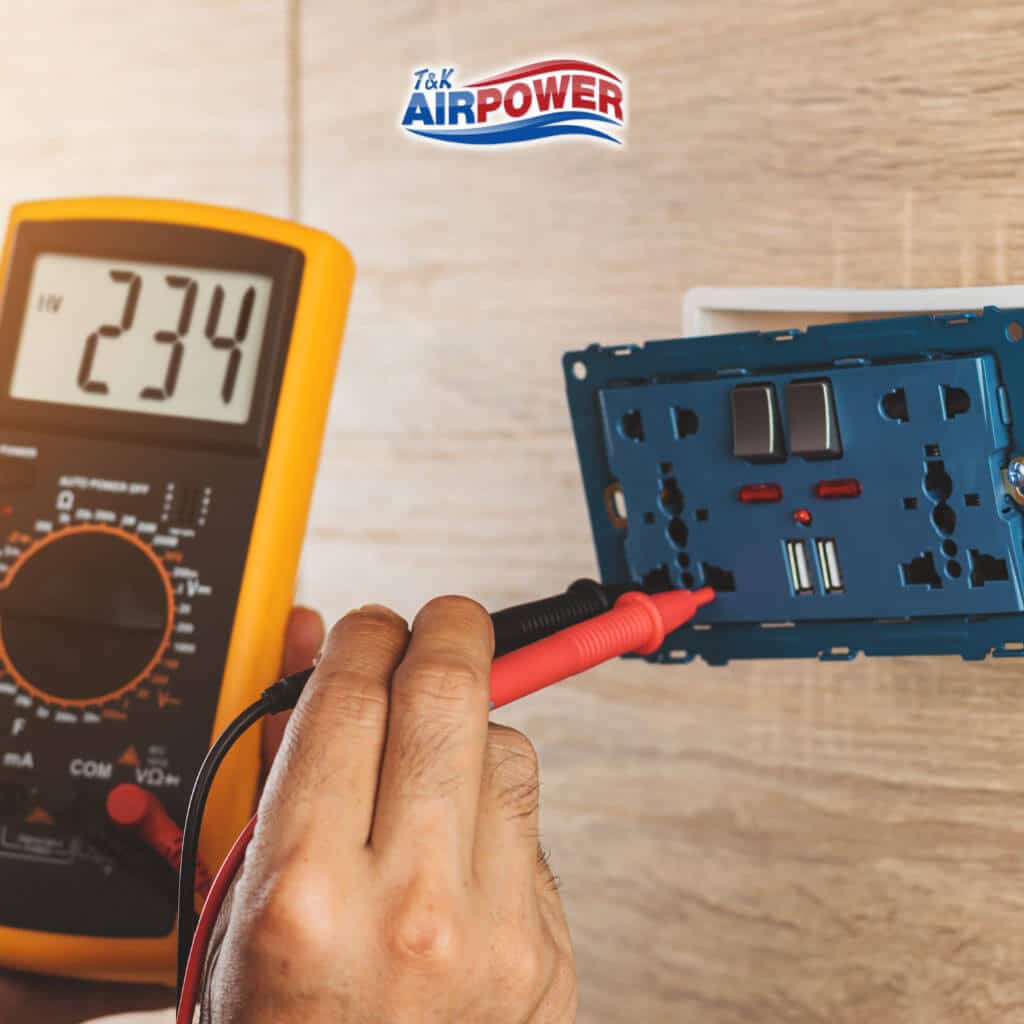
Signs of Electrical Faults and When to Call a Professional
Are you confident in identifying electrical faults in your home? Understanding the signs of electrical problems is crucial for fire safety and preventing hazards. This article will guide you through common warning signs, the risks of ignoring electrical issues, and when to contact a professional. We’ll cover key indicators of electrical failure, including issues with transformers and phase-related problems.
By the end, you’ll be equipped to recognise potential electrical dangers and make informed decisions about when to seek expert help, ensuring the safety of your home and family.
“Problems are not stop signs, they are guidelines.” – Robert H. Schuller, was an American Christian Televangelist, Pastor, Motivational Speaker, and Author
Understanding Common Electrical Faults
Understanding common electrical faults is crucial for maintaining a safe home environment. Recognising these faults early allows homeowners to contact professionals at the right time.
Identifying Short Circuits and Overloads
According to the blog, Overload or Short Circuit Protection? How to Protect Your Design Against Both Dangers, short circuits and overloads put different demands on circuit breakers. Identifying short circuits and overloads is crucial for maintaining a safe electrical system. Both can lead to power outages and pose fire risks. Regular inspections by a professional electrician can detect these issues before they escalate into emergencies. Homeowners should be aware of warning signs such as:
- Frequent circuit breaker trips
- Burning smells or sparks from outlets
- Flickering lights
- Warm or discolored outlet covers
- Visible scorch marks on electrical components
Recognising Ground Faults in Your Home
Ground faults occur when electrical current strays from its intended path, potentially causing shocks or fires. Signs of a ground fault include intermittent power loss and slight electrical shocks when touching appliances. If these symptoms persist, it’s crucial to contact a professional electrician.
Detecting Wiring Issues and Defects
Detecting wiring issues and defects is crucial for maintaining a safe and efficient electrical system. Signs such as flickering lights, buzzing sounds from outlets, or warm switch plates may indicate problems. Regular inspections of visible wiring can reveal damaged insulation or loose connections that compromise electricity flow.
Spotting Faulty Switches and Outlets
The blog, How to Fix Light Switch and Outlet Issues, mentioned that most light switch and outlet problems are caused by loose connections, worn-out parts, or faulty wiring. Faulty switches and outlets can pose significant risks in a home’s electrical system. Signs of trouble include warm or discolored outlet covers, sparks when plugging in an electrical device, or switches that feel hot to the touch. These issues may indicate a short circuit or overheating.
Noticing Malfunctioning Electrical Appliances
Malfunctioning electrical appliances often signal underlying issues in the electric power system. The table below outlines common appliance issues, their possible causes, and recommended actions:
| Appliance Issue | Possible Cause | Recommended Action |
| Frequent fuse trips | Overloaded circuit | Redistribute electrical load or faulty appliance |
| Burning smell | Wiring damage | Seek immediate professional inspection |
| Unexpected shutdowns | Electrical leakage | Check for water damage, contact electrician |
Warning Signs of Electrical Problems
Recognising warning signs of electrical problems is crucial for home safety. This section covers key indicators such as flickering lights, frequent circuit breaker trips, burning odors, unusual sounds from fixtures, and warm or sparking outlets. Understanding these signs helps homeowners identify potential issues before they lead to serious hazards or injury.
“If you ignore the warning signs, a tragedy awaits you ahead.”, Cory J. Herndon, Author
The Risks of Ignoring Electrical Faults
Ignoring electrical faults poses significant risks to safety and property. This section explores how overlooking electrical issues can lead to dangerous situations, emphasizing the importance of timely intervention by a professional electrician to ensure home safety and energy efficiency.
Recognising when to call a professional electrician is crucial for home safety and compliance. Understanding the outlined issues and taking appropriate actions can help homeowners make informed decisions about electrical maintenance and repairs, ensuring the safety and functionality of their home’s electrical systems.
Need immediate assistance with electrical repairs? Book a service with T&K Airpower. Start here to ensure your home’s safety.
FAQs
What are the most common signs of electrical faults in a home?
Common signs include flickering or dimming lights, frequent circuit breaker trips, burning smells, sparks from outlets, and warm or discolored outlet covers.
What causes a short circuit in a house?
A short circuit occurs when a hot wire comes into contact with a neutral or ground wire, causing an increase in electrical flow that can lead to fires or damage.
How can I tell if my home has a ground fault?
Indicators of a ground fault include tripped circuit breakers, mild electrical shocks when touching appliances, and a persistent burning smell near outlets.
Why do my house lights keep flickering?
Flickering lights can be caused by various issues, such as loose wiring, fluctuations in home voltage, or overloaded circuits. It’s best to consult with a professional to determine the exact cause.
What should I do if I notice sparks from an electrical outlet?
If you see sparks from an outlet, immediately turn off power to the area and contact a professional electrician. Sparks can indicate a serious electrical fault that might require urgent attention.
How often should electrical wiring be inspected?
It’s recommended to have your home’s electrical wiring inspected at least once every 3 to 5 years, or more frequently if you live in an older home or notice any signs of electrical problems.
Can a faulty switch cause a fire?
Yes, faulty switches can overheat and potentially lead to a fire, especially if they are old, improperly installed, or damaged. Regular checks and timely replacement are essential for safety.
What are the risks of ignoring electrical faults?
Ignoring electrical faults can lead to severe risks such as electrical fires, personal injury from electric shocks, damage to appliances, and increased energy costs.
Don’t wait for a fault to find you. Ensure your home’s safety by scheduling a professional electrical safety inspection today. Book a service with our certified experts at T&K Airpower and gain peace of mind.