


Home / Blog /

Written by Oliver Hastings on 11 November 2026
Cracked solar panel with a hot spot in Adelaide: should it stay or go?
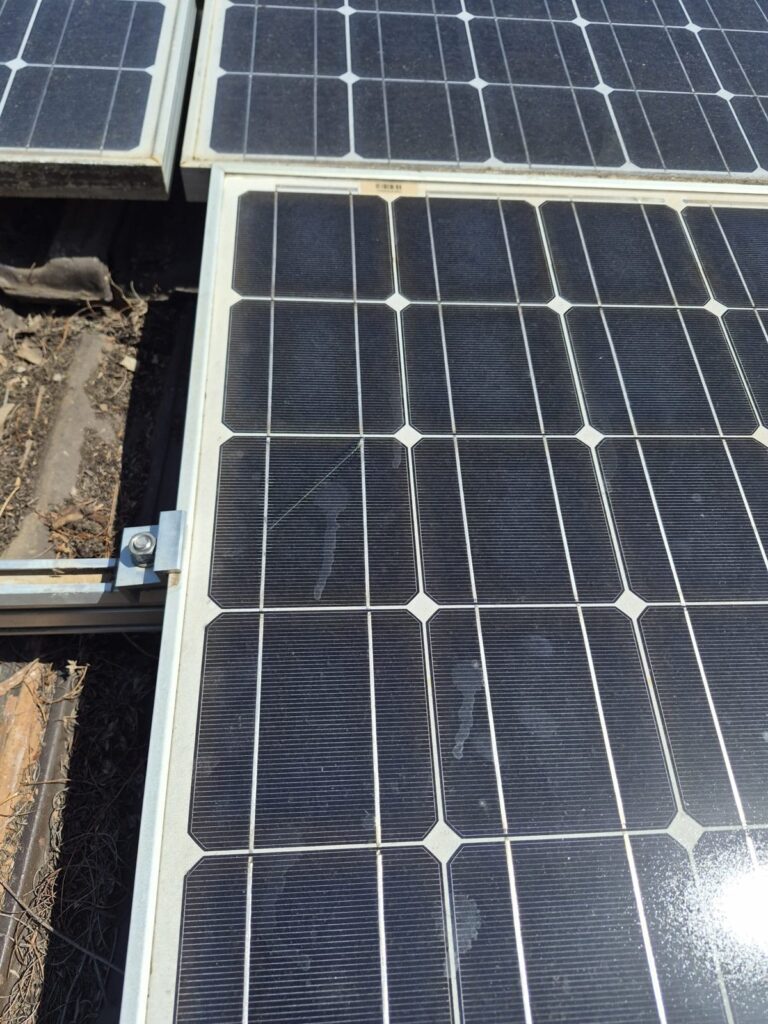
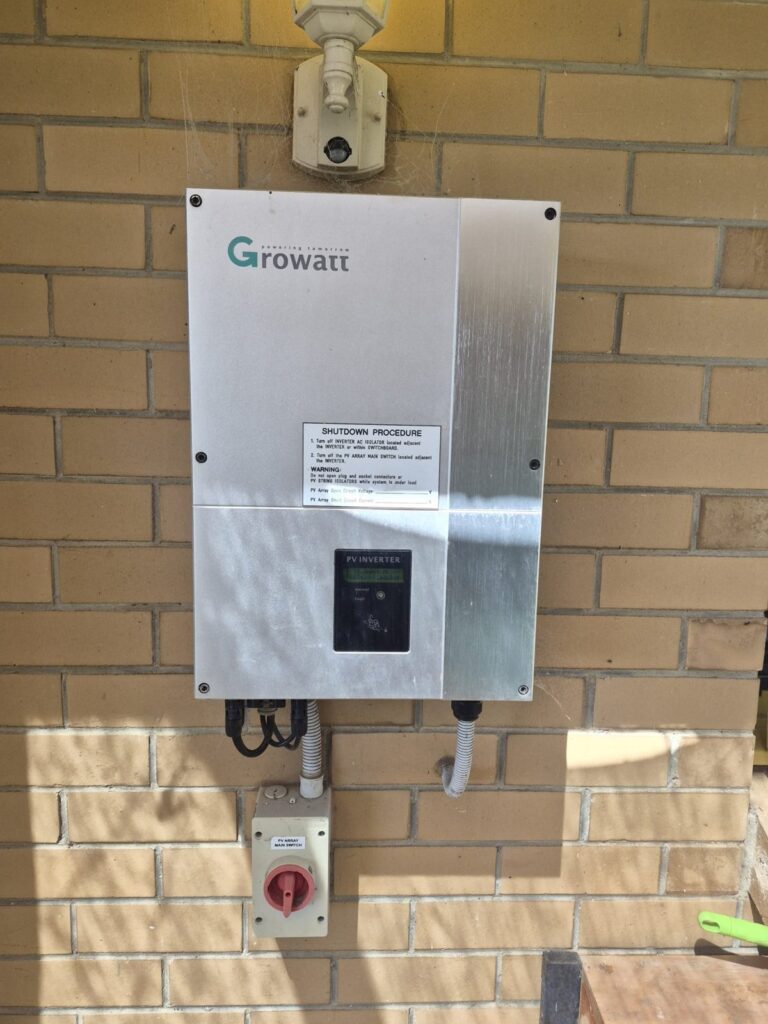
A cracked solar panel in Adelaide is worth assessing promptly. When a Grange homeowner noticed visible cracking on one panel in their 24-panel Growatt system and asked whether it could be disconnected without affecting their feed-in tariff, we attended, confirmed micro-cracks and a hot spot on the affected panel, removed it, and reconnected and tested the system the same day.
The Job In Brief
- System: Two Growatt solar inverters, 24 panels on site
- Suburb: Grange, Adelaide
- Symptom: One panel visually cracked on the north side; homeowner asked whether it could be disconnected and whether that would affect their feed-in tariff
- What we assessed: Panel condition across the array; roof tile condition in the work area; switchboard
- Root cause: Micro-cracks with a confirmed hot spot on the affected panel
- Fix: Solar system isolated, cracked panel removed, system reconnected and tested
- Price guide: Approximately $400 to $500 inc GST for the remove and reconnect (correct at 10 November 2026). Our electrical repair call-out is $99
- Outcome: Quote approved on-site; work done
The Fault
The homeowner had noticed a cracked panel on the north side of the roof and wanted to understand what it meant for their system and their feed-in tariff arrangement. When we attended and assessed the array, the panel they had flagged showed a significant number of micro-cracks and a hot spot.
Micro-cracks are tiny fractures in photovoltaic cells. Research by global insurer AJG notes that they form through thermal cycling (the daily expansion and contraction of panel cells as temperatures rise and fall), mechanical stress during transportation or installation, and manufacturing irregularities. In Australia’s climate, thermal cycling is a persistent source of stress on panel cells over the life of a system.
A hot spot develops when internal resistance rises in a damaged cell. Instead of contributing to the circuit, that cell heats up as current passes through it. AJG’s research notes that hot spots cause further damage to a cell once they develop, compounding the problem over time.
What We Tested
We assessed the condition of the panels across the array and confirmed the micro-cracks and hot spot on the panel the homeowner had identified. The cracking on this panel was extensive.
The Clean Energy Regulator’s solar panel testing program identifies micro-cracks using electroluminescence (EL) testing, which uses infrared photography to find cellular-level damage that visual inspection alone cannot reliably detect. For this assessment, the visible cracking was sufficient to confirm the fault and proceed with the removal.
While on site, we also examined the condition of the roof tiles in the work area and found some had deteriorated to the point of leaving gaps. We replaced a number of tiles and regrouted under the ridge as part of the visit.
We assessed the switchboard and found ageing components. A quote for a switchboard upgrade was provided. The homeowner chose to defer that work until after their solar rebate period ends. If you have an older switchboard, our electrical fault finding service covers assessment and quoting for upgrade work.
How We Fixed It
To remove the panel safely, we disconnected power to the solar system, removed the cracked panel from the array, reconnected the solar system, and tested it. The work completed was the approved quote: remove panel and reconnect system, carried out as a one-hour electrical repair.
Solar panel work is electrical work. Isolating and working on a solar array requires a licensed electrician. If you have a panel you are concerned about, do not attempt to handle or disconnect it yourself. Our domestic electrical repair team handles this type of work throughout Adelaide.
| Stage | What we did | What it showed |
|---|---|---|
| Assessment | Visually assessed all 24 panels | Micro-cracks and hot spot confirmed on one panel |
| Roof inspection | Checked tiles in the work area | Deteriorated tiles with gaps found; replaced and regrouted under ridge |
| Removal | Isolated solar system; removed cracked panel | Panel safely detached from array |
| Reconnection and test | Reconnected solar system and tested | System operational on remaining 23 panels |
| Further findings | Assessed switchboard | Ageing components noted; upgrade quoted, deferred by homeowner |
Key Takeaways
- Visible cracks are a prompt to act. What looks like surface damage can include micro-cracks that contribute to hot spots. A panel showing extensive cracking is not going to improve.
- Monitor your system output. Many modern solar inverters include companion monitoring apps or online portals that display daily generation figures. A gradual or sudden drop in output can indicate a panel fault worth investigating.
- Visual checks cost nothing. From ground level, look for obvious cracking, discolouration, or dark patches on individual panels. Anything unusual warrants a closer look by a technician.
- Do not handle or disconnect a panel yourself. Isolating a solar array is electrical work. If you have concerns about a panel, contact our electrical repair team rather than attempting to handle it yourself.
- Roof access uncovers other issues. On this job, we found deteriorated tiles the homeowner had not noticed. When tradespeople are on your roof, it is worth asking them to flag anything they see.
The Resolution
The cracked panel was removed and the solar system was reconnected with 23 panels remaining in the array. The system was tested and operational at the conclusion of the visit. A quote for a switchboard upgrade was provided; the homeowner opted to defer that work.
If you are weighing up the condition of your existing equipment, our repair or replace calculator and our service and maintenance team can help you understand what is worth repairing and what warrants replacement.
“A cracked panel with a confirmed hot spot adds no value to a solar system and creates ongoing risk of further damage to the array. Getting it off the roof is the straightforward call.” Oliver Hastings, T&K Airpower
Frequently Asked Questions
What causes solar panels to crack or develop micro-cracks?
Micro-cracks in solar cells form through thermal cycling (the repeated expansion and contraction of cell material as temperatures change each day), mechanical stress during transportation or installation, and manufacturing irregularities. Physical impact, such as from hail or falling objects, can also cause visible cracking. Research by global insurer AJG identifies these three factors as the primary causes of micro-fractures in solar modules.
What is a solar panel hot spot and is it dangerous?
A hot spot forms when a damaged cell develops elevated internal resistance. Instead of contributing power to the circuit, the cell dissipates energy as heat. Research cited by AJG notes that hot spots cause further damage to the affected cell over time, and the problem compounds without intervention. A panel with a confirmed hot spot warrants assessment and removal from the array.
Can I still run my solar system with one panel removed?
Yes. Removing one panel reduces total installed capacity, but the remaining panels continue to operate. The system will generate slightly less power, proportional to the number of panels removed. The inverter should be checked to confirm it is configured correctly for the revised array size, which forms part of the reconnection and testing process we carry out after removal.
Will removing one solar panel affect my feed-in tariff in South Australia?
Feed-in tariff arrangements in South Australia vary by retailer and by when the system was originally installed. If you are on any form of legacy tariff arrangement, it is worth discussing any planned modification with your electricity retailer before work is carried out, to confirm whether a change to the array size affects your eligibility or rate. This is a question for your retailer; the terms differ by agreement.
How do I check if my solar panels have micro-cracks?
Visible cracking on the glass surface is the most obvious sign. From ground level, also look for discolouration or dark patches on individual panels. Monitoring your system’s output figures over time is useful: a panel developing micro-cracks may show gradual decline. Electroluminescence (EL) testing, used by the Clean Energy Regulator’s solar panel inspection program, is the most reliable method for detecting cellular-level cracks and requires specialist equipment operated by a technician.
What does it cost to have a cracked solar panel removed in Adelaide?
Our electrical repair call-out is $99. The remove panel and reconnect system work on this job carried a price guide of approximately $400 to $500 inc GST (correct at 10 November 2026). We provide a fixed-price quote before any work begins.
How often should a solar system be professionally inspected?
The Clean Energy Regulator recommends regular professional inspection of solar systems. It is worth arranging an inspection if you notice visible panel damage, an unexplained change in output, or if the system has not been checked in several years. Our service and maintenance team can carry out combined electrical and air conditioning inspections for homeowners who prefer a single visit to cover multiple systems.
Need Help?
If you have a cracked or damaged solar panel, a system that is underperforming, or an electrical fault that needs attention, call us on 08 8296 7888 or book online at tkairpower.com.au. T&K Airpower has been trading in Adelaide since 1996. We are a licensed electrical contractor holding ARCtick Trading Licence AU20869. We are authorised warranty agents for Mitsubishi Electric, Temperzone and Hitachi. We repair first.
