
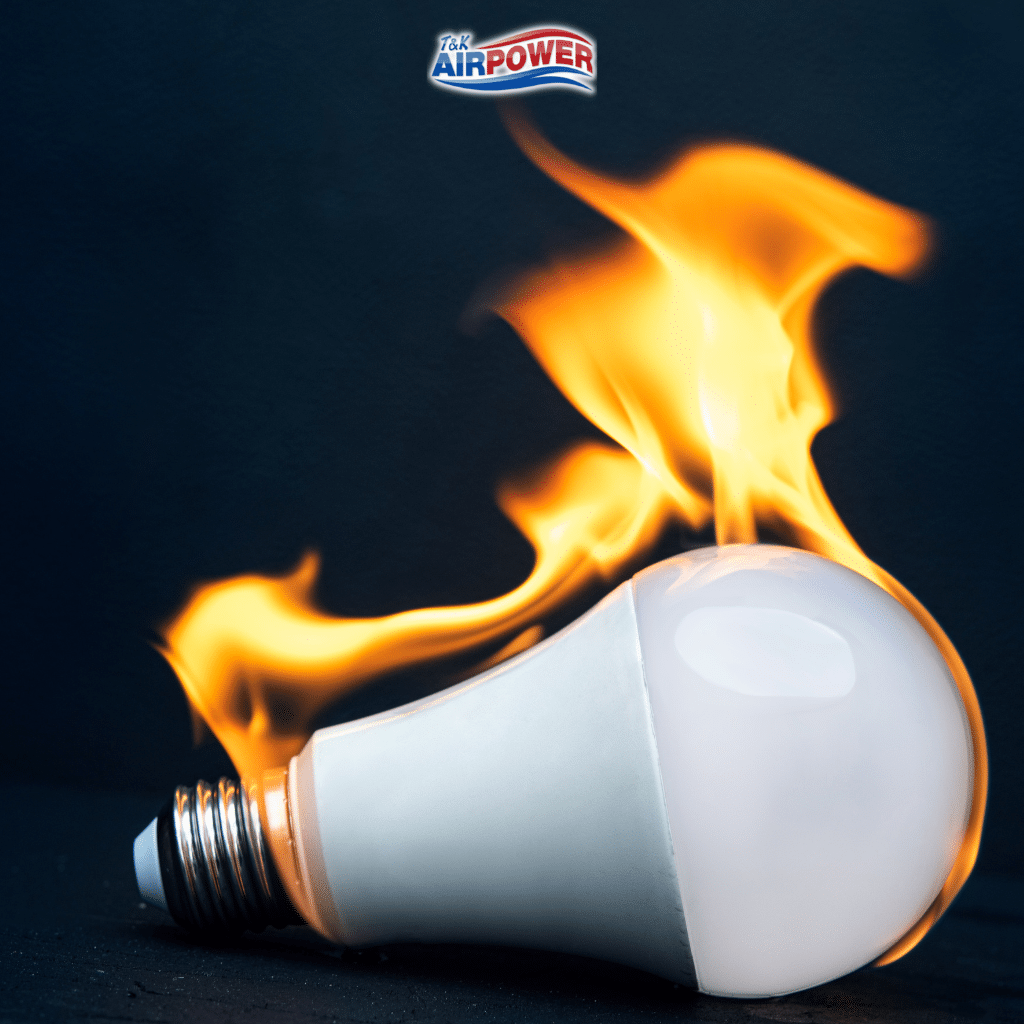
5 Reasons Your Light Bulbs Keep Blowing
If you’re noticing that your light bulbs frequently blow, it can be frustrating and costly. However, repeated bulb failures often point to underlying electrical issues that need attention. Here, we explore five common reasons why light bulbs keep blowing and provide practical solutions. For Australian homeowners, addressing these issues with a local electrician is essential for a safe and long-lasting fix.
“Safety doesn’t happen by accident.”
, Unknown
1. Poor Quality or Incorrect Bulbs
Using low-quality bulbs or the wrong type for your fittings can lead to premature blowouts. For example, if a fitting requires a specific wattage or LED over incandescent, using the wrong bulb may cause it to fail.
- Solution: Always use high-quality bulbs suited for Australian electrical standards, and check the required wattage on your fittings. The Australian market offers a range of energy-efficient LED options that are both reliable and compatible.
- Electrical lighting installation services can recommend suitable lighting for each room in your home.
2. High Voltage in Your Home
Australia’s standard voltage is 230V, and consistent fluctuations above this level can shorten the lifespan of light bulbs. High voltage is a common reason for frequent blowouts, especially in older homes where wiring may need updating.
- Solution: Use a voltage tester to see if your home’s voltage exceeds 230V. If high voltage is detected, consider reaching out to home electrical repair services for advice on stabilising your home’s electrical supply.
3. Faulty Light Fixtures or Loose Connections
Sometimes, the fixture itself or loose wiring can be the culprit. A poor connection between the bulb and socket can lead to inconsistent electricity flow, causing bulbs to burn out.
- Solution: Turn off the power and inspect the light socket for any visible damage or corrosion. Additionally, check that the bulb is screwed in properly. If you’re unsure, a domestic electrical services professional can safely inspect and repair any faulty fixtures or connections.
4. Improper Handling of Light Bulbs
Surprisingly, the way you handle bulbs can impact their longevity. Halogen and incandescent bulbs, for example, are sensitive to oils from your skin, which can weaken the glass when heated.
- Solution: Always handle bulbs with a clean cloth or gloves. If your bulbs still blow frequently, consider an upgrade to LED lighting, which is more durable and energy-efficient. For a full electrical installation of LED systems, consult with T&K Airpower.
5. Old or Outdated Wiring
Older Australian homes may have outdated or deteriorated wiring, which can create electrical instability. This not only affects your light bulbs but can also be a safety risk.
- Solution: If your home is older and frequently experiences bulb blowouts, it may be time for a wiring inspection. Contacting a residential electrical service company ensures your home wiring meets modern Australian standards, reducing the risk of electrical faults.
When to Call a Professional
If you continue to experience issues with light bulbs blowing despite these fixes, it’s likely time to consult a professional. T&K Airpower offers comprehensive electric repair near me services to ensure your home’s lighting system is safe and efficient.
FAQs
What causes light bulbs to blow in Australia?
Light bulbs often blow due to factors like high voltage, poor-quality bulbs, faulty fixtures, or outdated wiring. A local electrician can assess and address these issues for Australian homes.
Is high voltage common in Australia?
Australia has a standard voltage of 230V, but fluctuations can occur. High voltage can reduce bulb lifespan, so it’s best to check with home electrician services if you notice consistent issues.
Can I replace my light fixtures myself?
While basic bulb replacements are safe to handle, it’s recommended to hire home electrical repair services for fixture replacements, ensuring all installations meet Australian safety standards.
What types of bulbs are best for Australian homes?
LEDs are an excellent choice for Australian homes as they are long-lasting, energy-efficient, and work well within Australia’s 230V system. Electrical lighting installation professionals can recommend the right options for each room.
Is old wiring a fire hazard?
Yes, old or deteriorated wiring can be a serious fire hazard. Regular inspections by a residential electrical service company are advised for older homes to ensure safety.
Protect your investment with expert AC maintenance! Our professional technicians at T&K Airpower ensure your air conditioner operates at peak performance. Book a service now!