
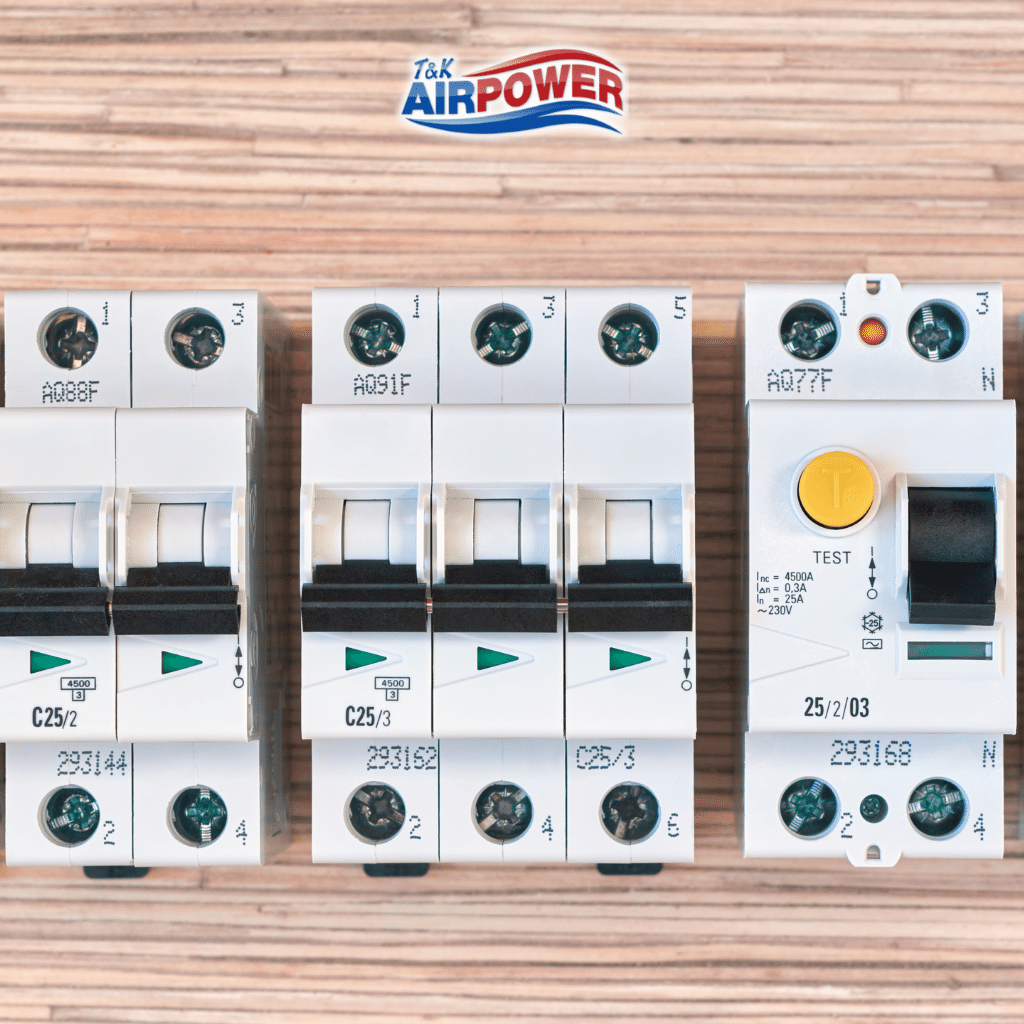
The Differences Between Ceramic Fuses, Circuit Breakers, RCDs, and AFDDs
Home electrical safety relies on the right protective devices within your switchboard. While ceramic fuses, circuit breakers, Residual Current Devices (RCDs), and Arc Fault Detection Devices (AFDDs) each serve unique purposes, only some meet today’s stringent safety standards. Here’s a breakdown of how these devices work and why RCDs and AFDDs are essential for protecting people, property, and overall home safety. For advice on the best protection setup, contact a local electrician.
“Safety doesn’t happen by accident.”
, Unknown
1. Ceramic Fuses
Ceramic fuses are an outdated form of protection that were commonly used in older homes. They function by breaking the circuit when current levels exceed safe limits. However, ceramic fuses do not provide the comprehensive safety features of modern protection devices, and they need to be replaced each time they blow.
- Best For: Ceramic fuses are no longer recommended for home use due to their limitations. Upgrading to RCDs or circuit breakers is a significant step in protecting both people and property.
For help upgrading from fuses to modern devices, contact T&K Airpower.
2. Circuit Breakers
Circuit breakers are an improvement over fuses, offering resettable protection against overloads and short circuits. However, due to Australian Standard AS/NZS 3000:2018 (AS3000), standard circuit breakers alone are no longer compliant for new installations. All new circuits must have RCD protection at a minimum, as RCDs go beyond overload protection to detect dangerous electrical imbalances that can harm people.
- AS3000 Compliance: AS3000 requires that all new circuits in homes be fitted with RCD protection. Circuit breakers now serve primarily as overload protection and are used in combination with RCDs for enhanced safety.
- Best For: Existing systems; for new installations, RCDs are essential for compliance and to improve home safety.
T&K Airpower can inspect and upgrade your switchboard to include RCDs where required.
3. Residual Current Devices (RCDs)
RCDs are crucial for modern electrical safety, protecting people from electric shock and preventing injuries or fatalities. RCDs constantly monitor the electrical current flow and quickly cut power if an imbalance is detected, such as when current is leaking from a damaged wire. This immediate response can be life-saving and helps protect both people and property from electrical hazards, including fires. RCDs are also a legal requirement for all new circuits under AS3000.
- Safety Benefits:
- Protects people from electric shock by cutting power immediately upon detecting leakage
- Essential in high-risk areas like bathrooms, kitchens, and outdoor zones
- Required by AS3000 for all residential circuits to enhance safety
- Best For: Every home, especially in high-moisture areas where electric shock risk is higher.
T&K Airpower can install RCDs on your switchboard to provide essential protection for your family, home, and belongings.
4. Arc Fault Detection Devices (AFDDs)
AFDDs are a cutting-edge safety feature that prevent electrical fires by detecting hazardous arc faults in wiring. Arc faults can occur from damaged wiring, loose connections, or deteriorating insulation, which can lead to electrical fires if not caught early. AFDDs monitor the circuit continuously and cut off power if they detect a dangerous arc, offering a critical layer of protection for both people and property. Clipsal’s Arc Fault Detection Devices are a highly recommended choice for homes, especially in areas with high electrical demand.
- Safety Benefits:
- Provides proactive protection by detecting arc faults, reducing fire risk
- Protects homes and belongings by preventing electrical fires
- Ideal for older homes or high-demand circuits where arc faults are more likely
- Best For: High-risk areas such as bedrooms, living rooms, and older properties; AFDDs are essential in circuits that could endanger both occupants and property.
For added fire prevention, T&K Airpower can install AFDDs to bring peace of mind and improved safety.
Choosing the Right Protection for Your Home
Meeting the AS3000 standards is a must for modern homes. This standard makes it clear that ceramic fuses and standalone circuit breakers no longer provide adequate protection. Instead, RCDs and AFDDs deliver the comprehensive safety needed to protect people from electric shock and guard homes from potential fire hazards. For guidance on upgrading your switchboard to meet today’s safety requirements, contact T&K Airpower.
FAQs
Are ceramic fuses safe to use in modern homes?
No, ceramic fuses are outdated and less safe than modern alternatives like RCDs. T&K Airpower recommends upgrading to RCDs for reliable protection.
Why do new circuits require RCDs instead of circuit breakers alone?
RCDs protect people from electric shock, whereas circuit breakers only prevent overloads. AS3000 standards mandate RCDs for all new circuits. T&K Airpower can upgrade your system to ensure compliance and safety.
How do AFDDs improve home safety?
AFDDs detect arc faults, preventing electrical fires. This provides vital protection for your home and family. T&K Airpower can install AFDDs in high-risk circuits.
Can I replace a blown ceramic fuse with a circuit breaker?
Yes, replacing ceramic fuses with circuit breakers or RCDs improves safety and convenience. T&K Airpower can handle the upgrade.
What’s the difference between circuit breakers and RCDs?
Circuit breakers protect against overloads, while RCDs protect against electric shock. RCDs are required by AS3000 standards to enhance home safety. T&K Airpower ensures your switchboard meets these standards.
Protect your investment with expert electrical maintenance team! Our professional technicians at T&K Airpower ensure your home is safe and comfortable. If your board still has ceramic fuses or no safety switches, ask us about a switchboard upgrade in Adelaide. Book a service now!