







Why proper installation costs more, and why that saves you thousands
When you replace an air conditioner, you’re deciding how the next ten to fifteen years go. Cheap and proper look identical on the day they’re switched on. The difference shows up later: a system playing up in year three, or a five thousand dollar compressor in year five that never needed to happen.
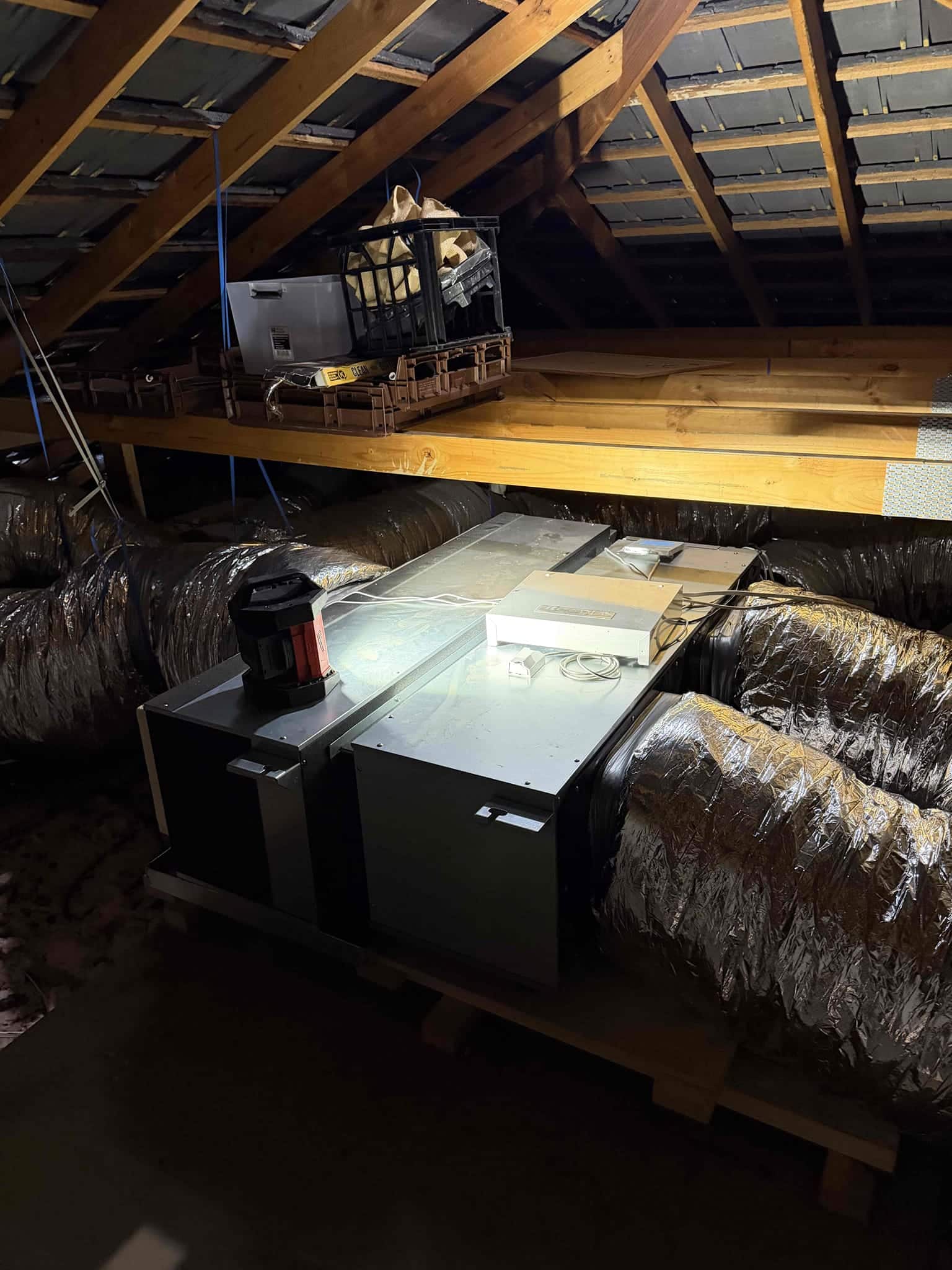
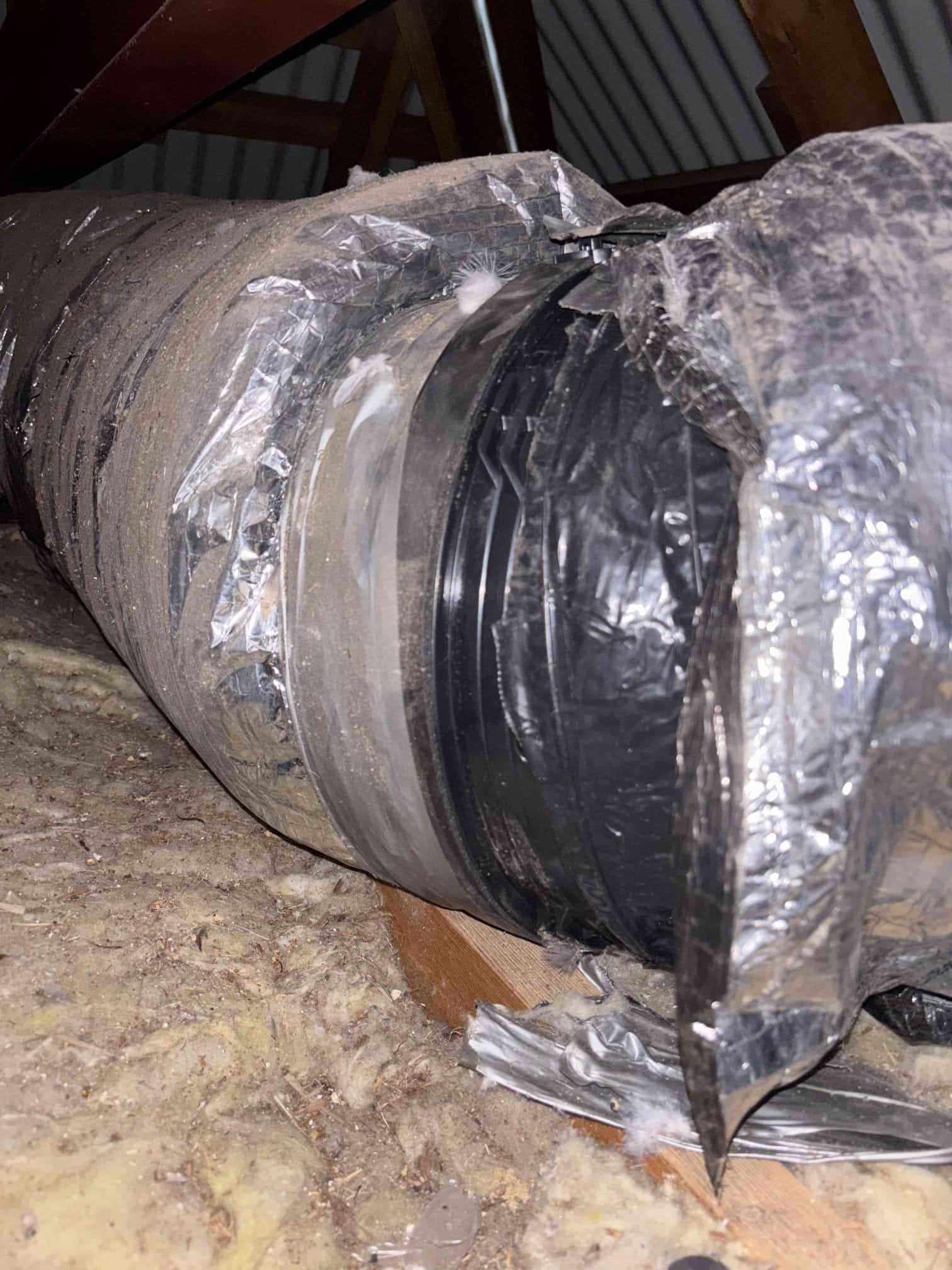
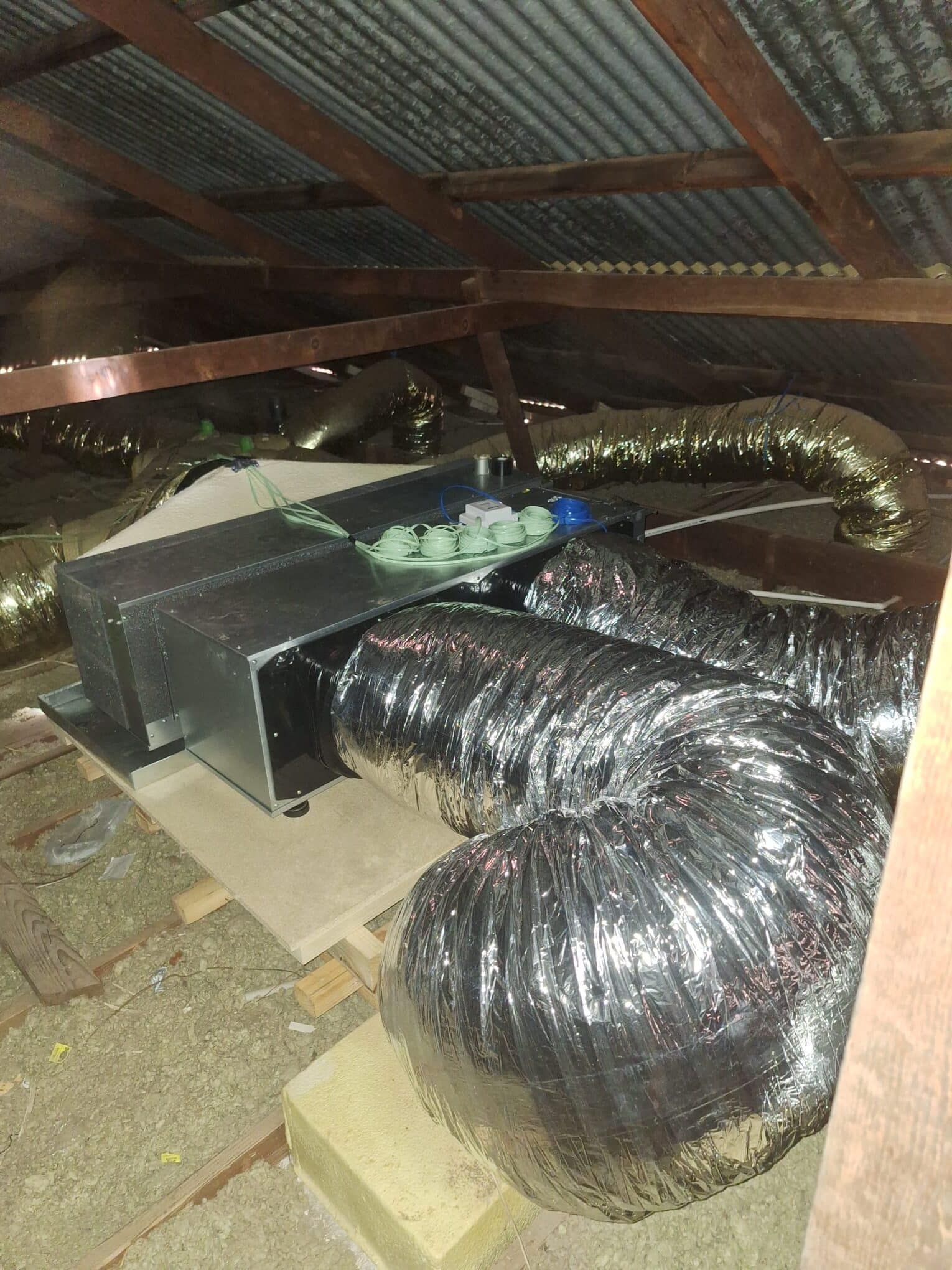
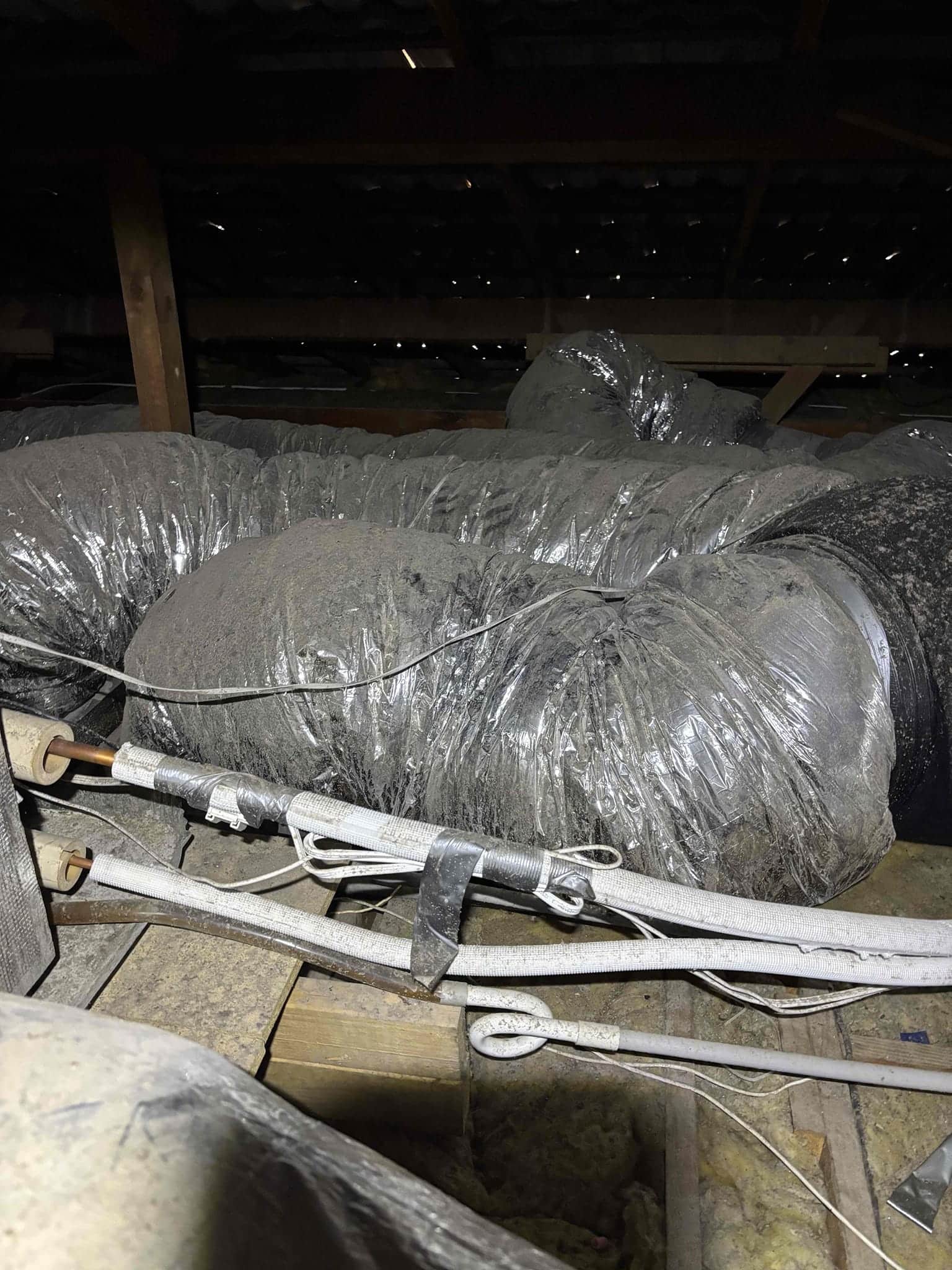
This page shows what we find on site after other contractors have finished. Each issue has a photo of the shortcut, a photo of how we do it instead, and the cost you’ll wear down the track if it gets skipped now.
Most volume installers run two to three jobs a day. The only way that adds up is to save time somewhere, and these are the places it gets saved. It’s not about bad people, it’s the model they work to. You can pay less now and fix these later, or pay properly once. That’s the whole choice.
It’s also why we back our work with a lifetime labour warranty while most give you twelve months. We’re not being generous. We just don’t plan on coming back to fix our own work, because it’s done right the first time.
We’re usually $2,000 to $4,000 more than the cheap quote. Here’s why that’s still the cheaper option. Most bad installs carry three or four of the problems below, and that’s $4,000 to $12,000 in repairs down the track.
A badly installed system also runs 30 to 50 percent less efficiently, quietly adding hundreds a year to your power bill for as long as you own it. And it doesn’t last. A system that should give you twelve years might be done in eight, so you’re buying a whole new unit four years too soon.
You either spend a little more now, or a lot more later, for years.
Job details
Outdoor unit
Everything from the switchboard to where the unit sits on the ground. It’s all done while the system is apart and the crew is on site, which is exactly why it’s cheaper to get right now than to pay for a separate visit later.
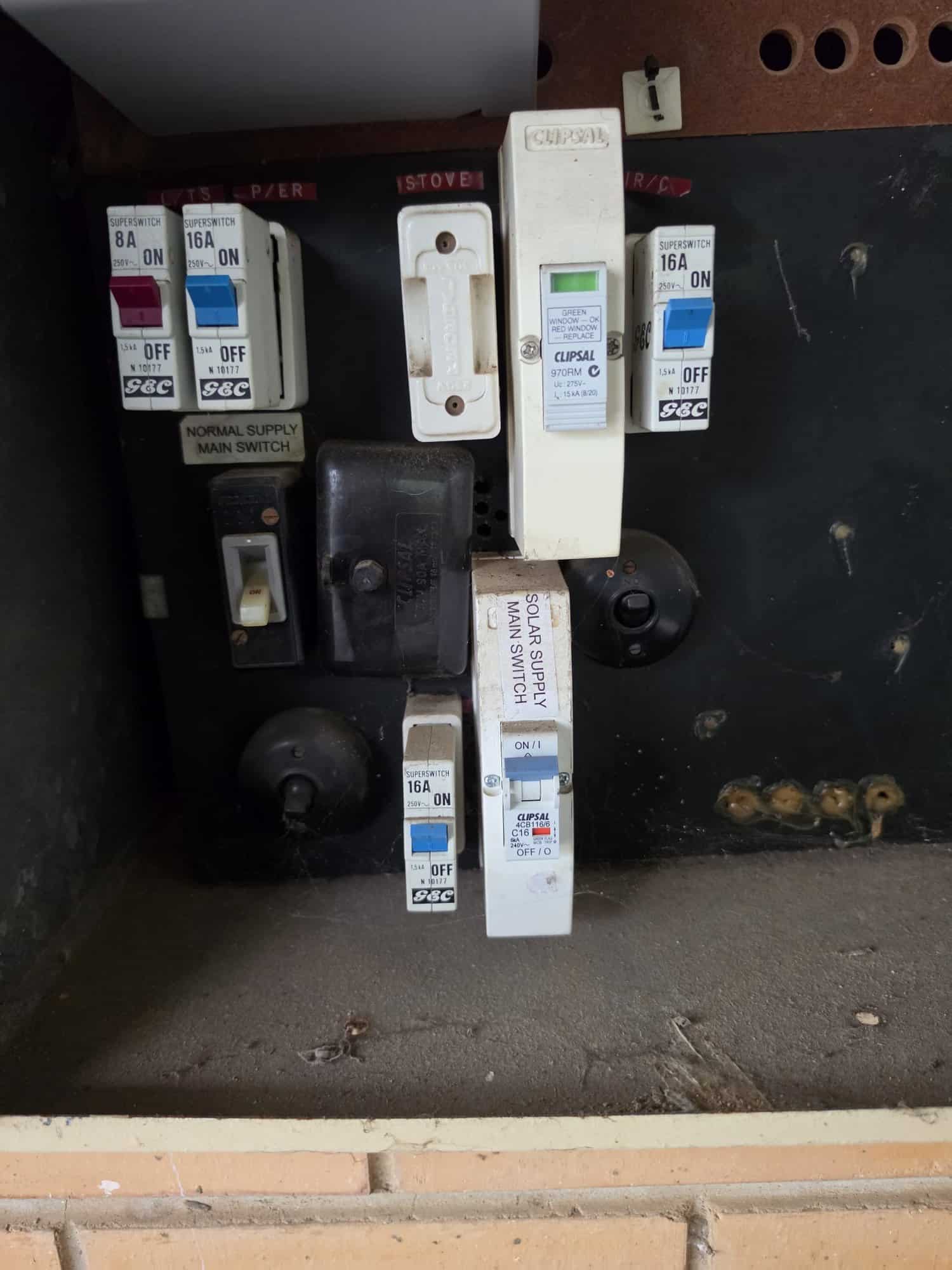
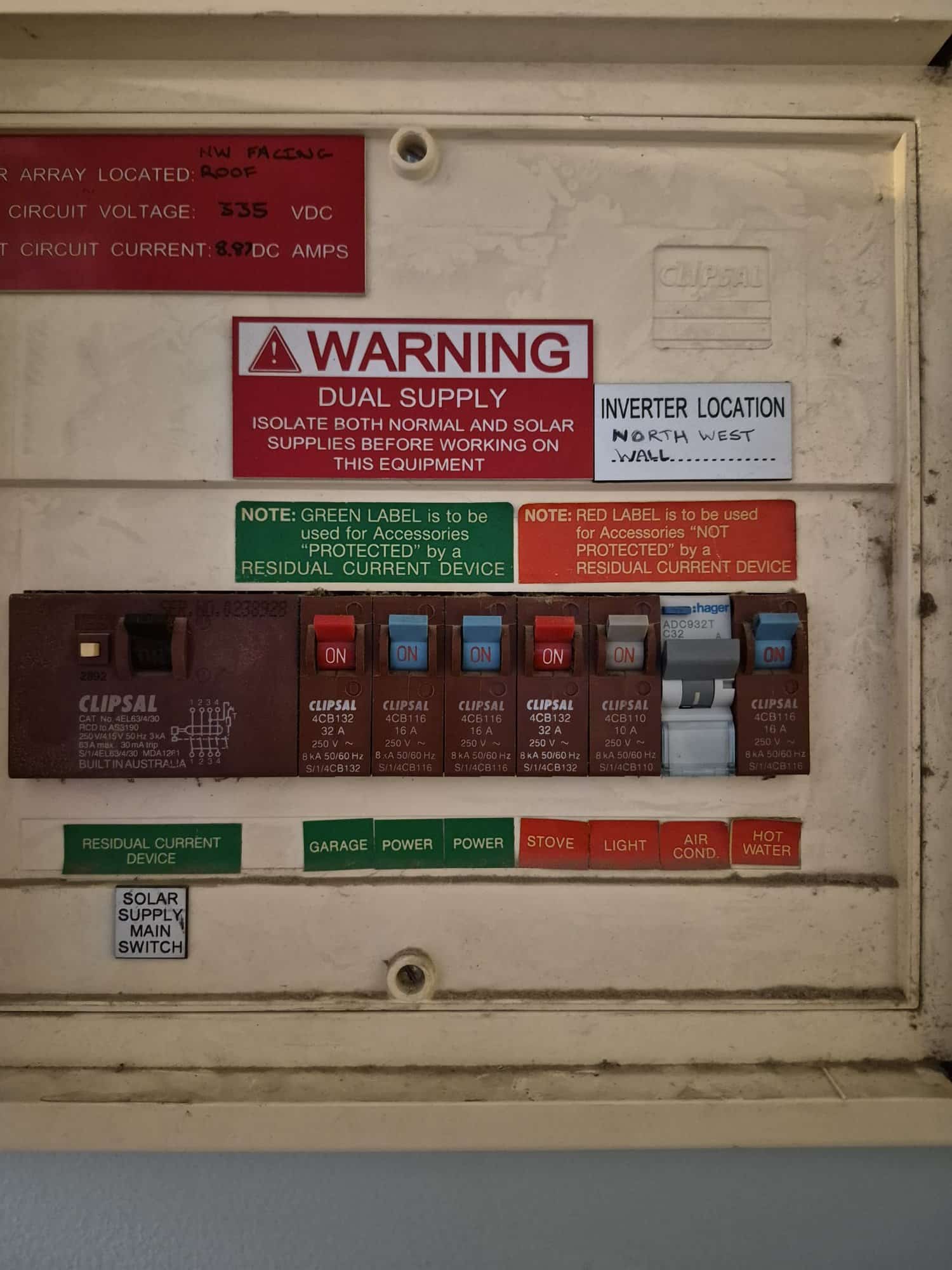
Power supply undersizing
Older homes were wired for the air conditioner that was there ten years ago. New inverter systems pull more, and the old supply often can’t keep up. Plenty of contractors, even good ones, leave it as it is.
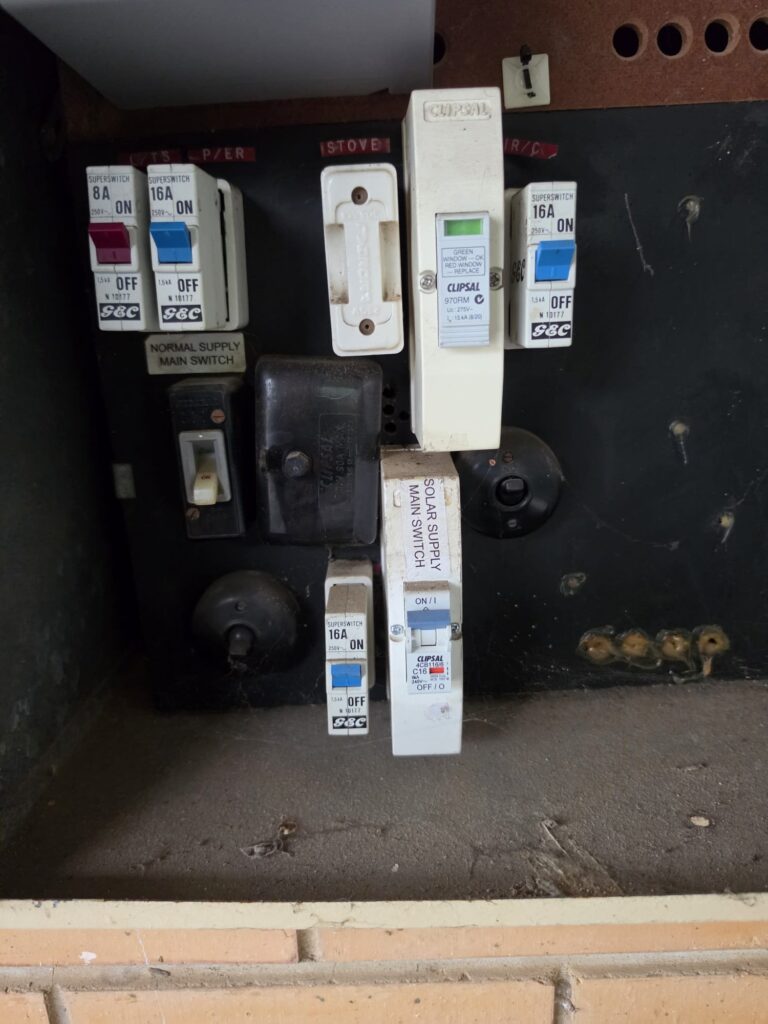
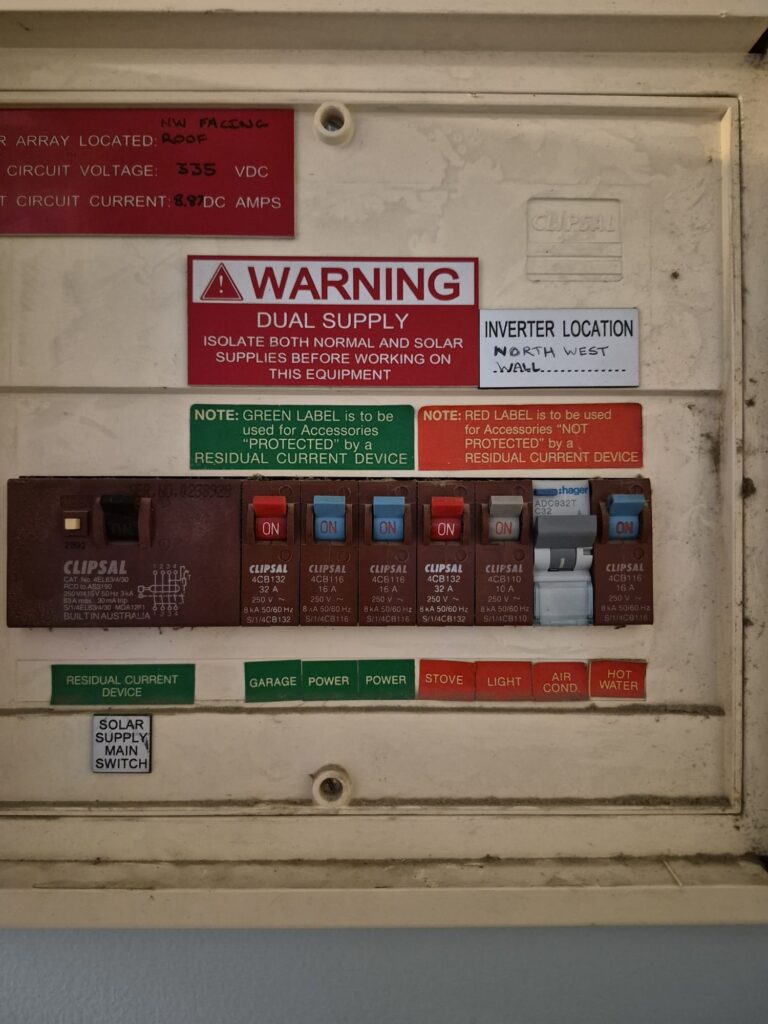
Nuisance tripping, cable running too hot, and a separate dedicated feed down the track that means opening your roof a second time at full price.
Costs you later
$800 – $1,000
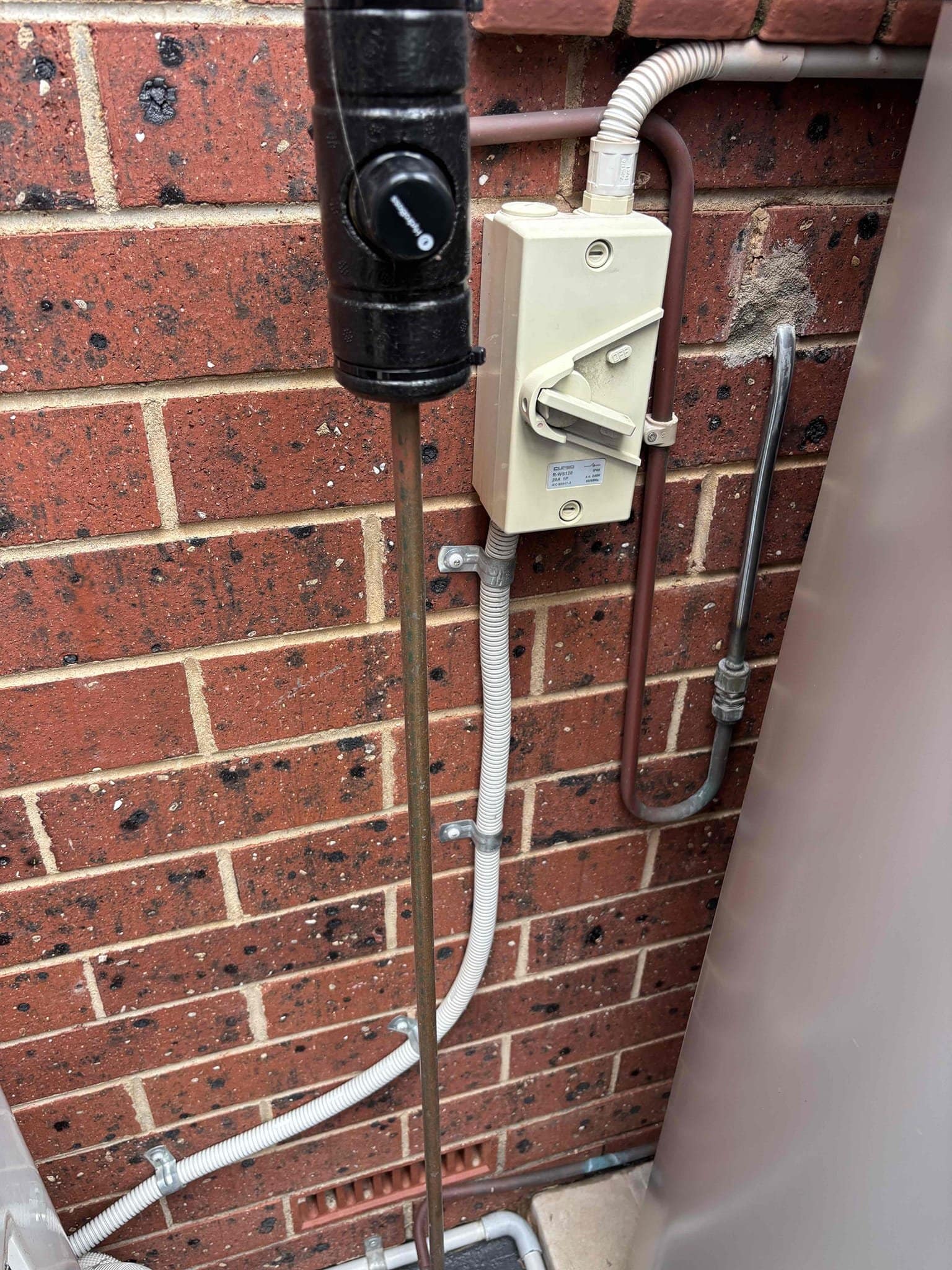
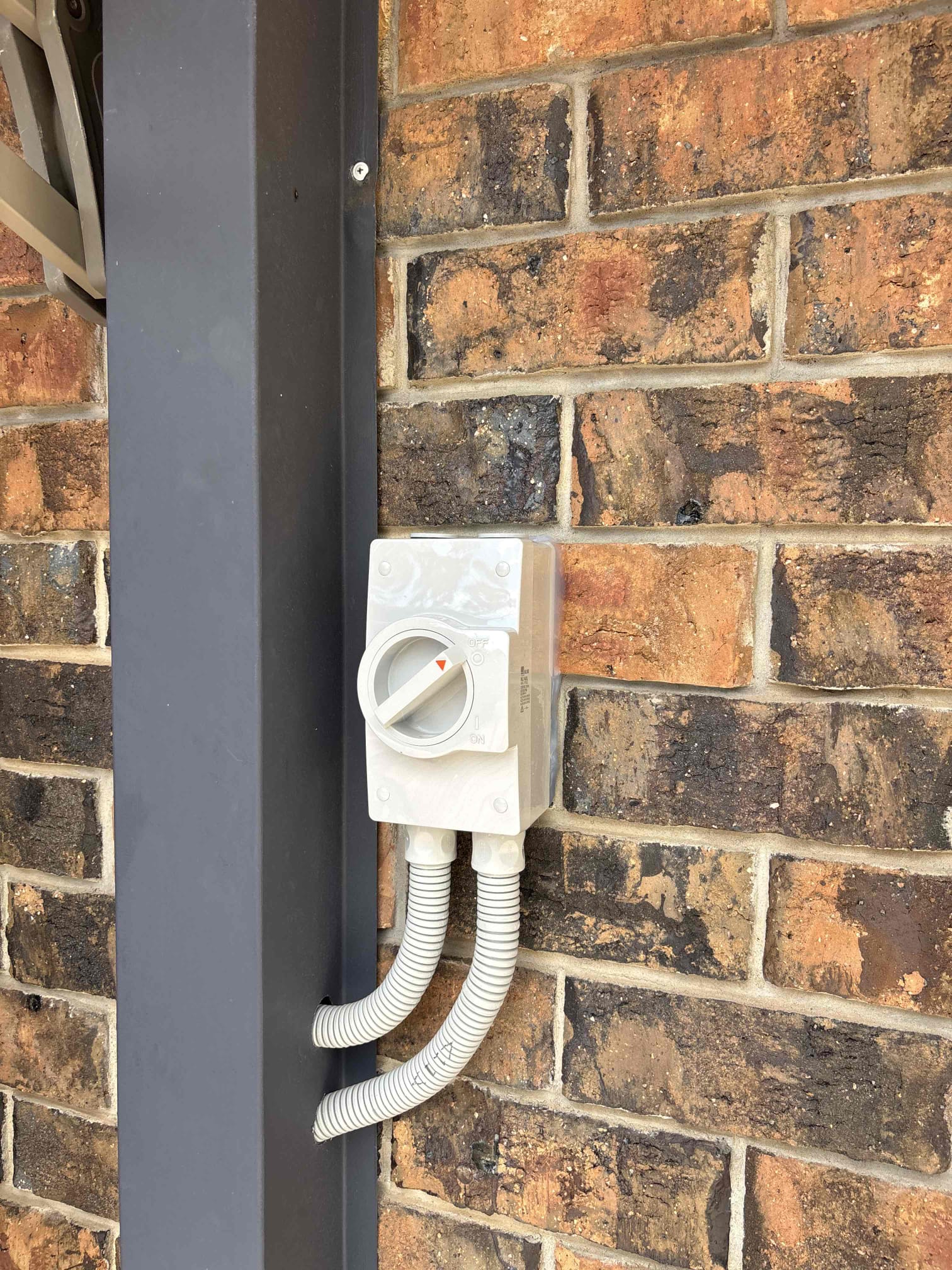
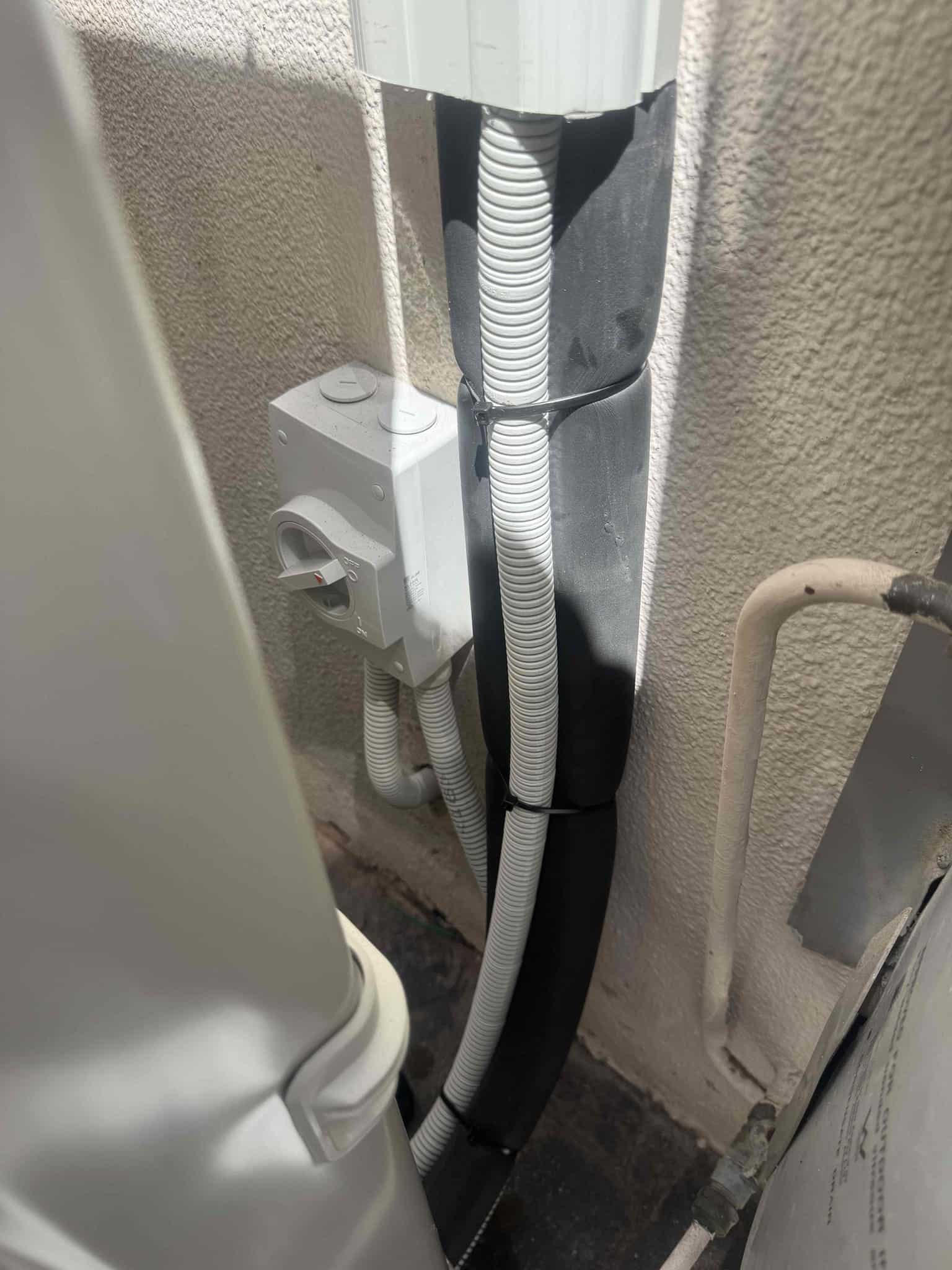
Circuit breaker and isolator
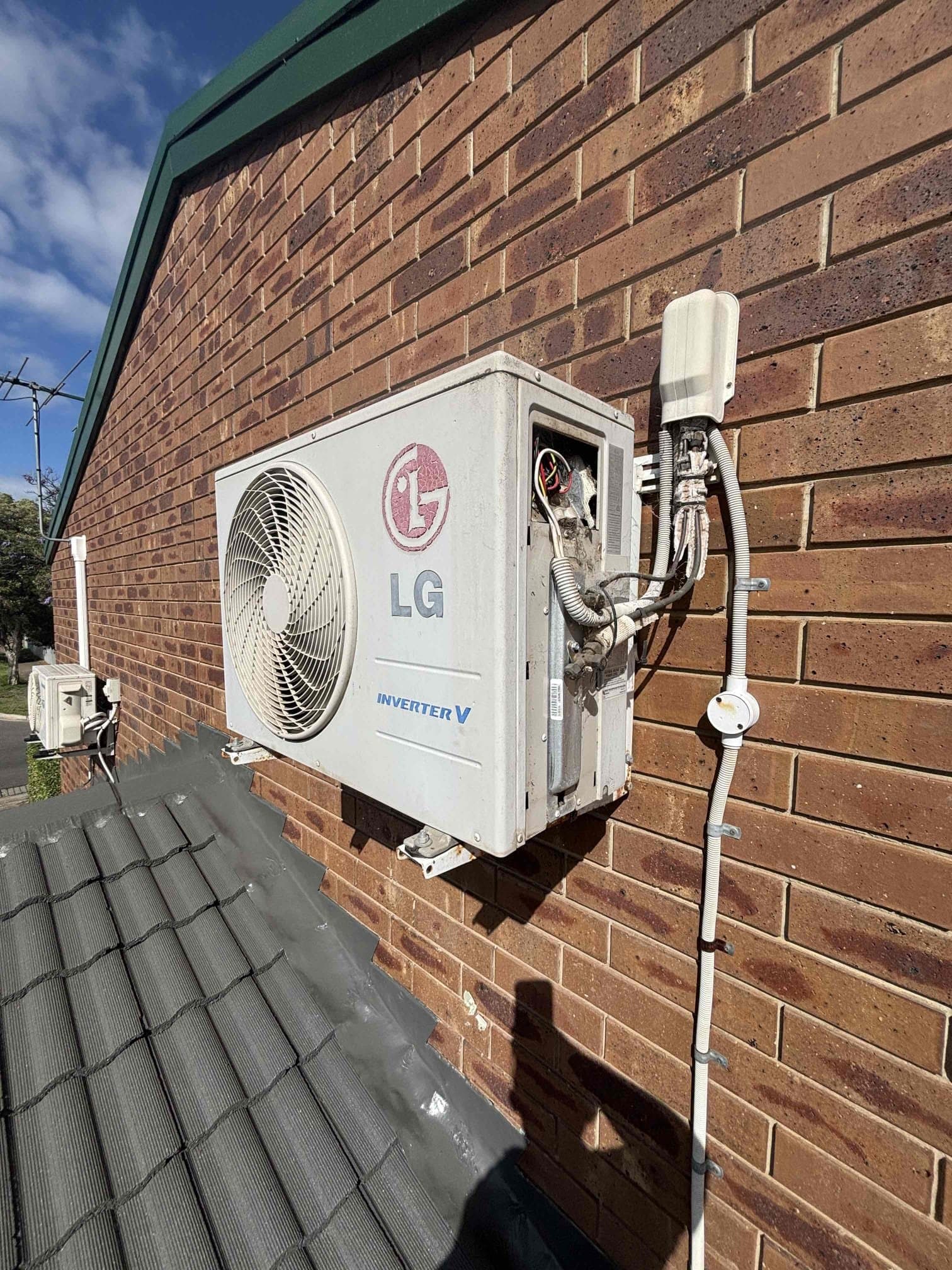
Old breakers wear out, and the seals in old isolators dry out and let water in. Most quotes either swap them like for like or leave them alone
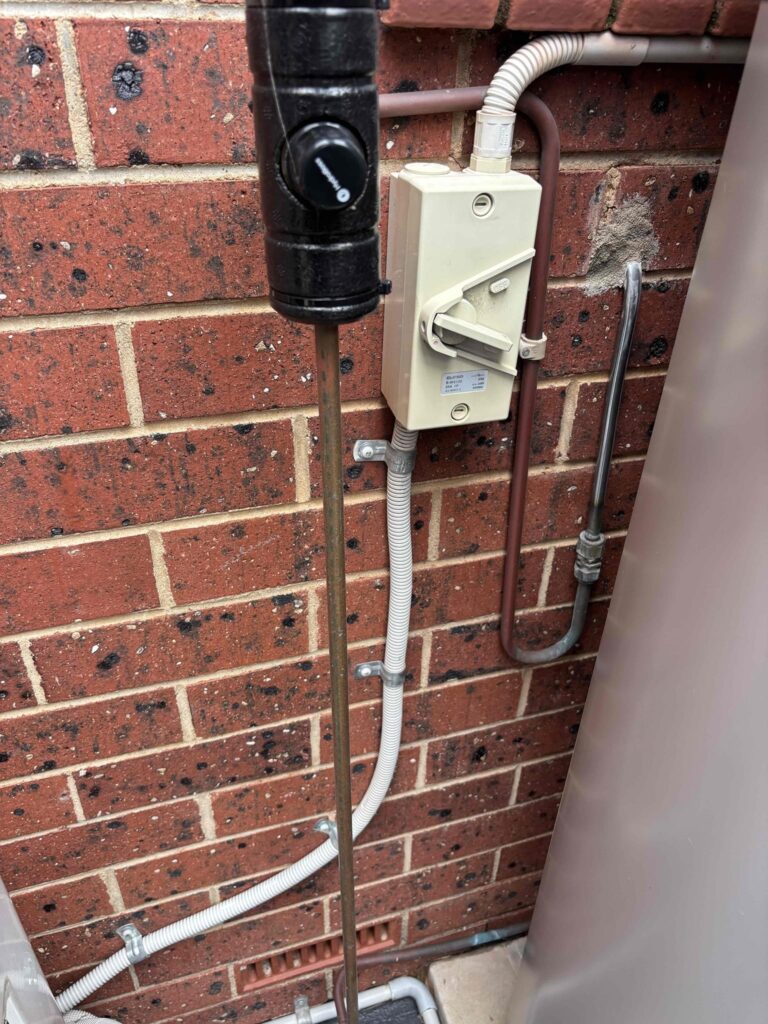
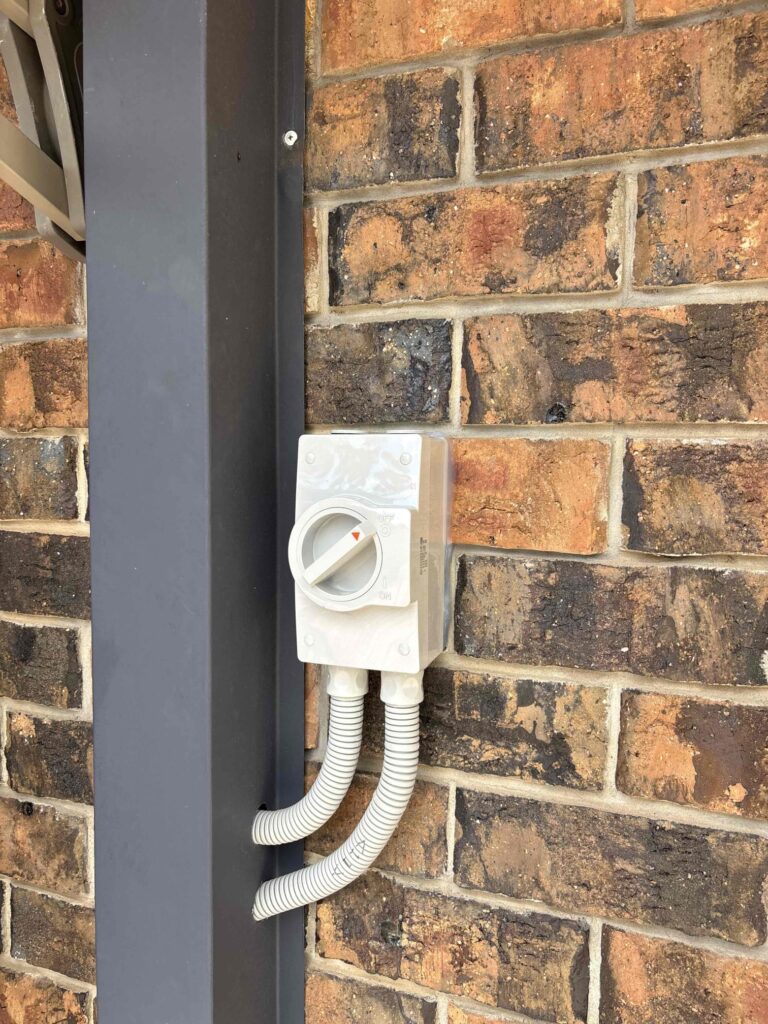
Hot connections on a tired breaker, and water getting past perished isolator seals.
Costs you later
$400 – $600
Outdoor pipework and insulation
Cheap white pair coil is quick to run and easy to handle, but it isn’t UV rated. Two to five years in the Adelaide sun and the insulation goes flaky and falls off, leaving bare copper underneath.
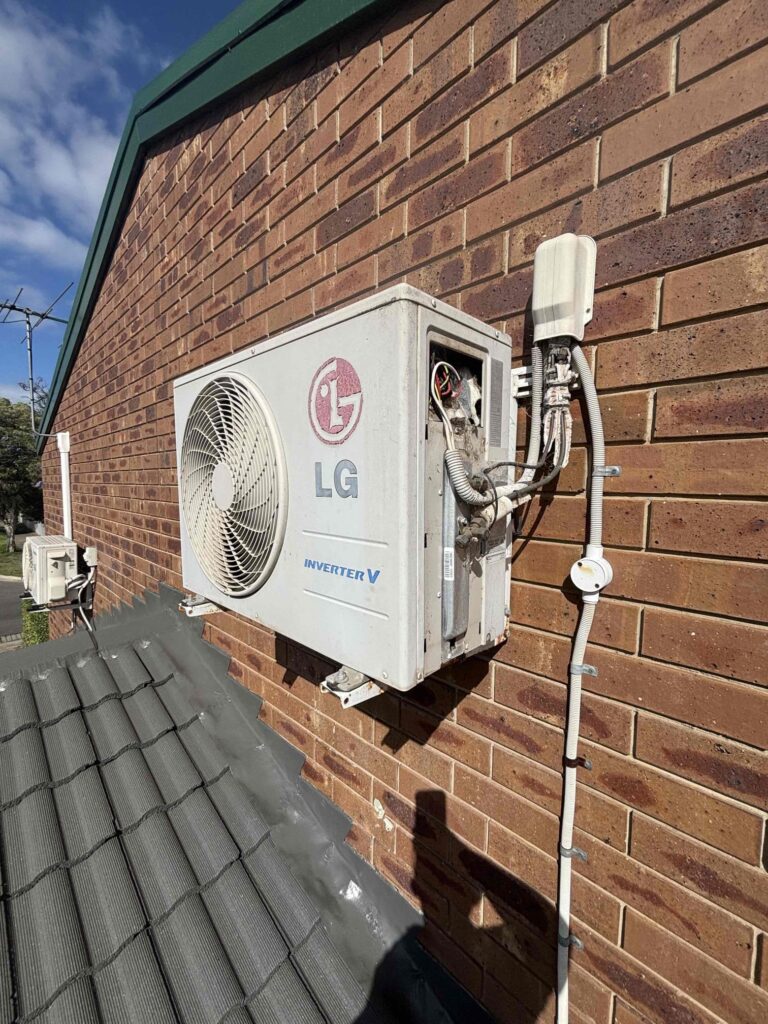
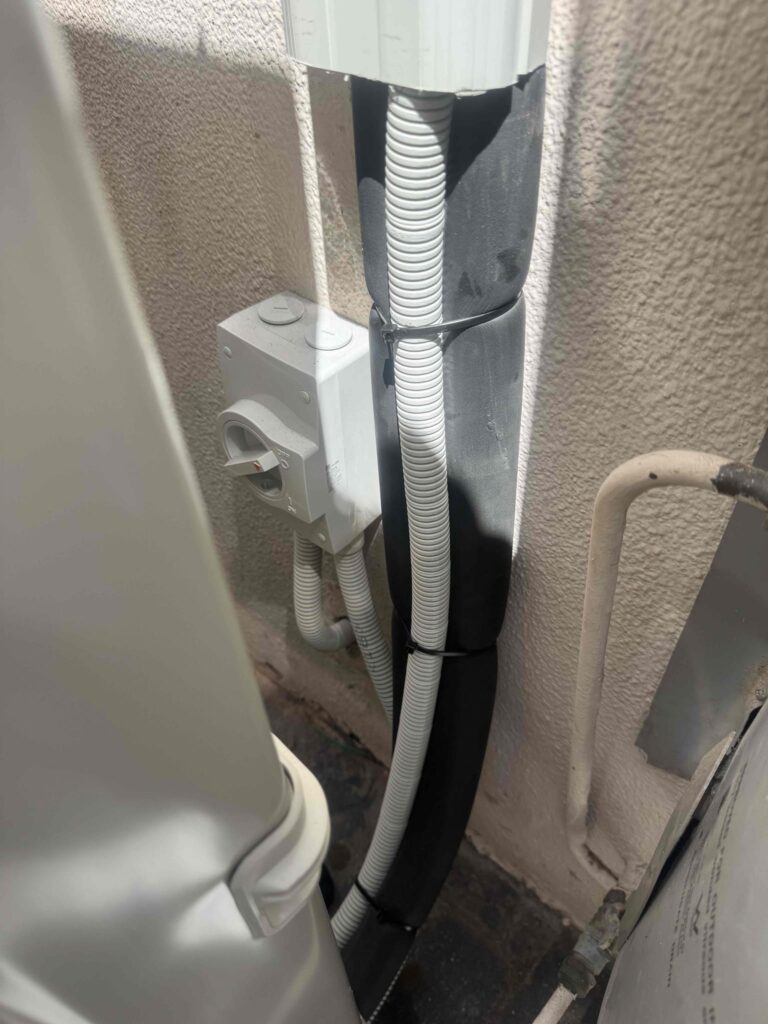
Bare pipes bleed efficiency, so the system works harder and your power bill climbs.
Costs you later
$300 – $600 + Additional Running Costs
Unit location and airflow
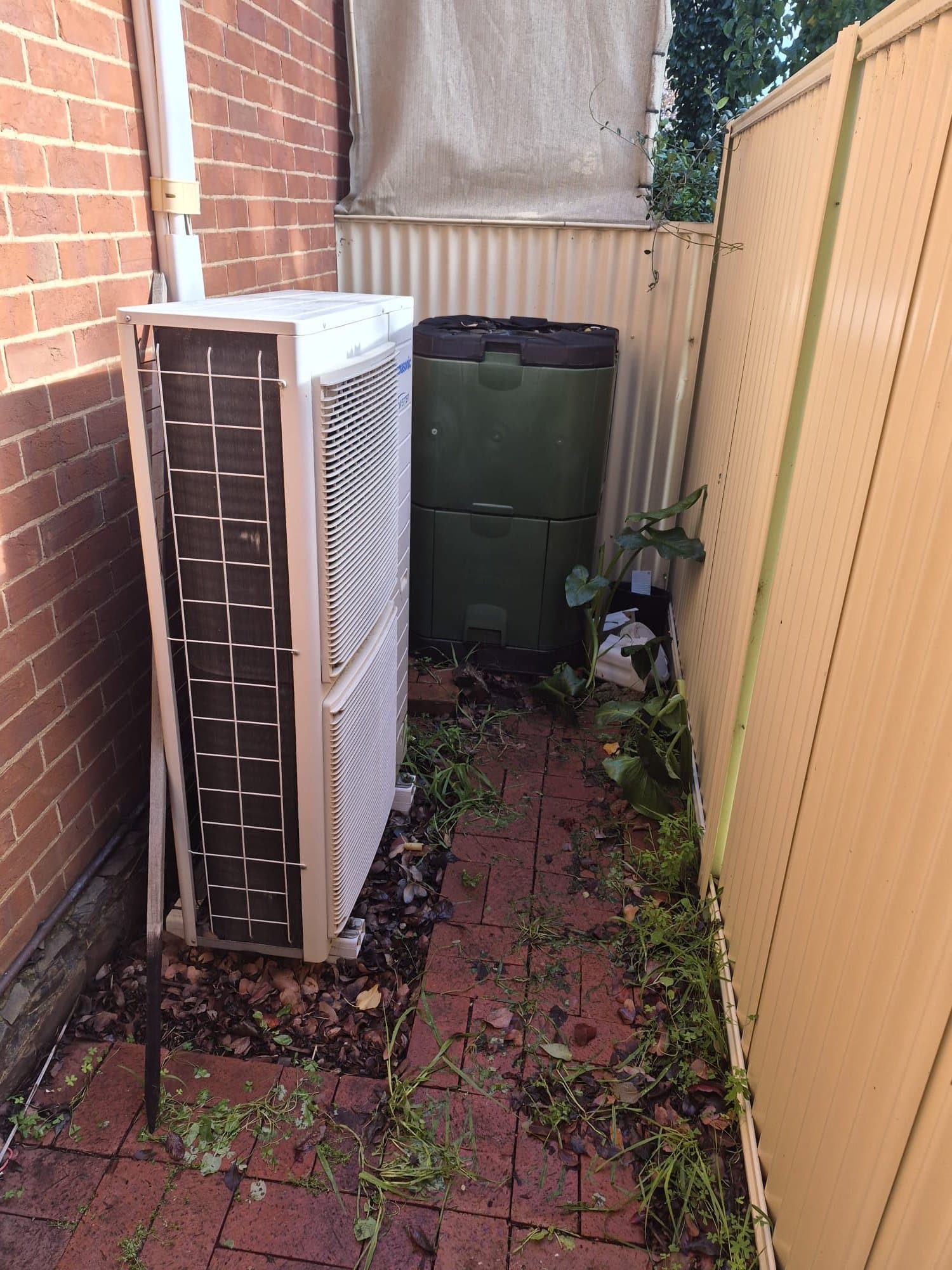
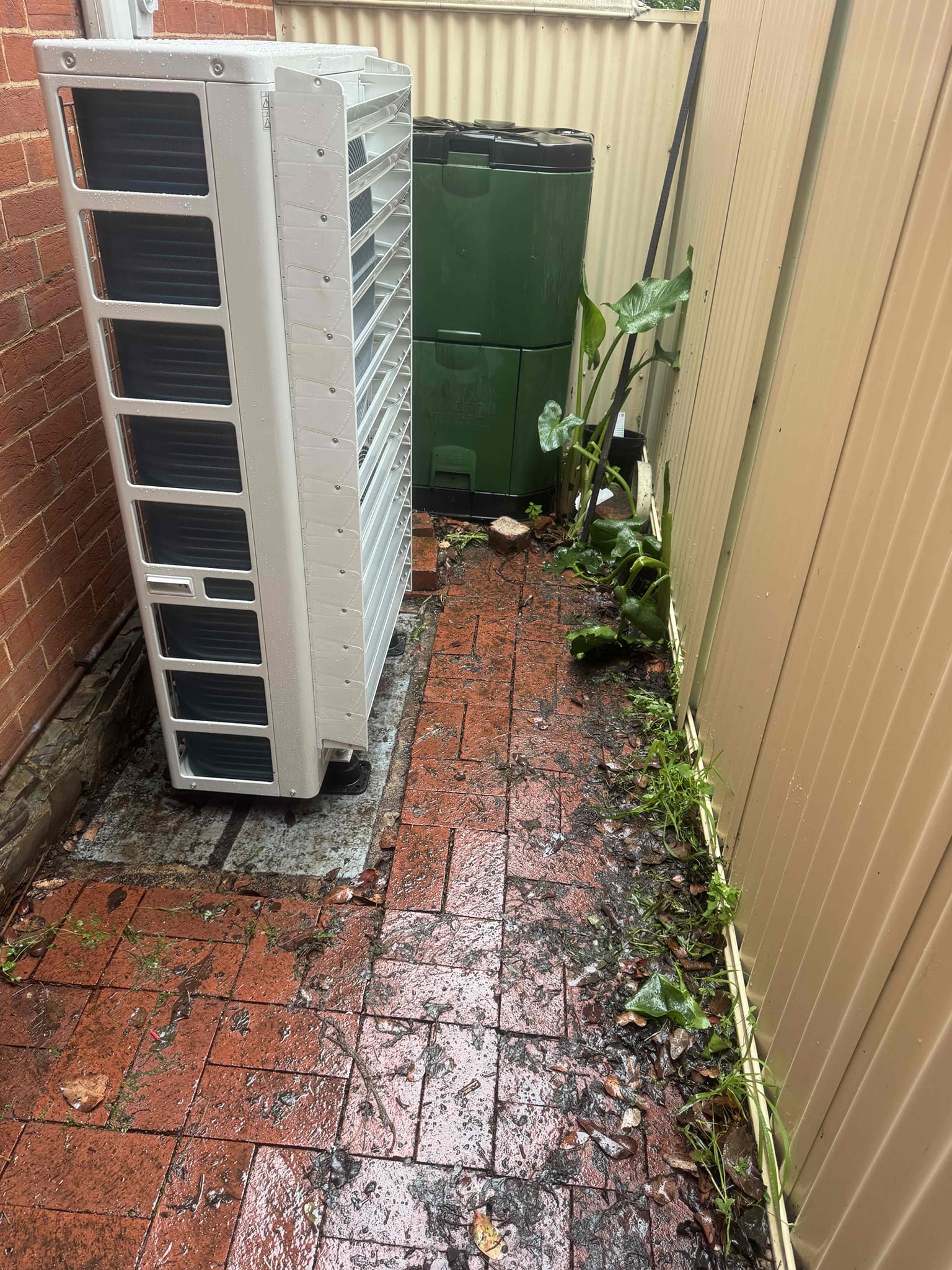
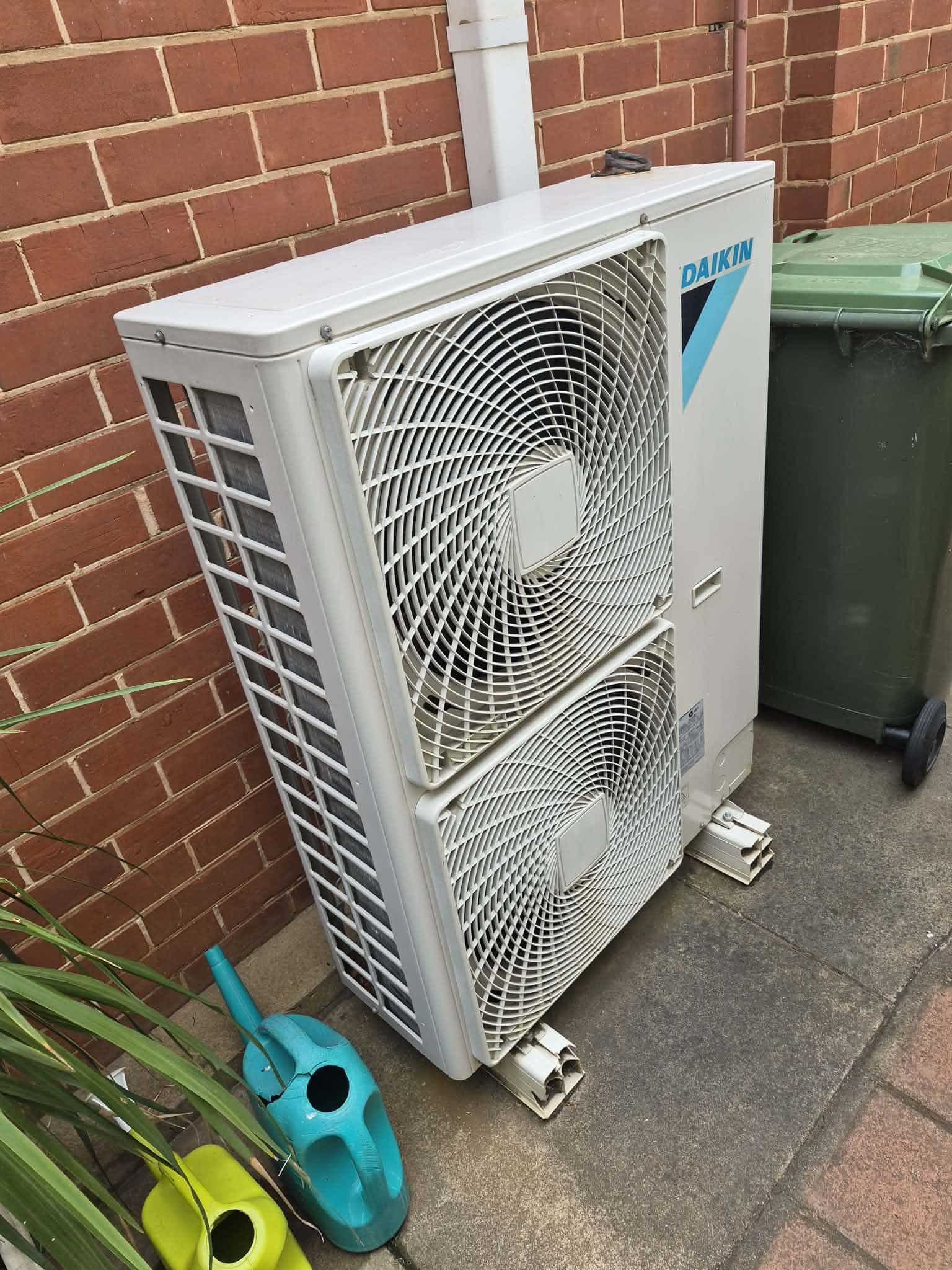
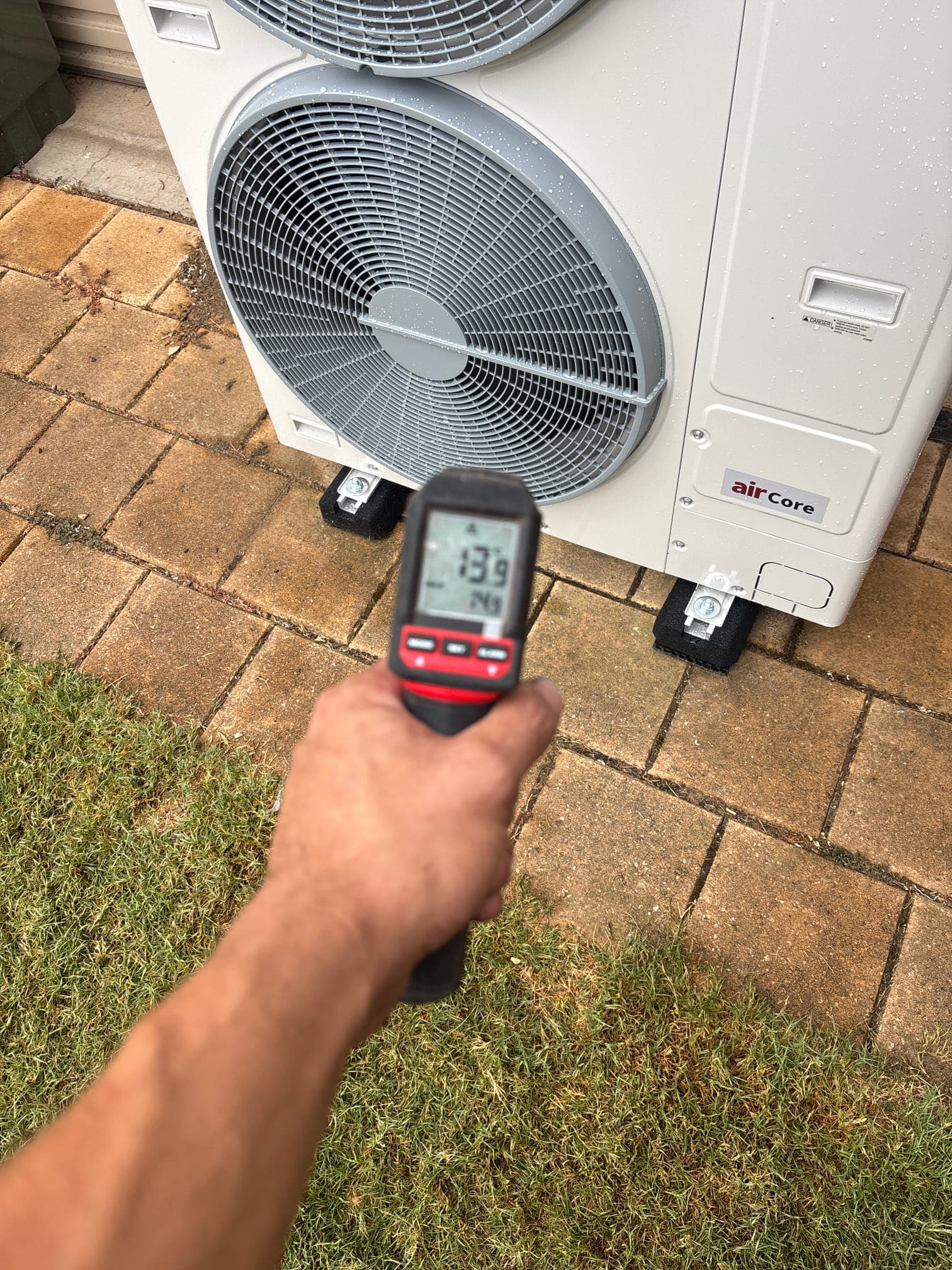
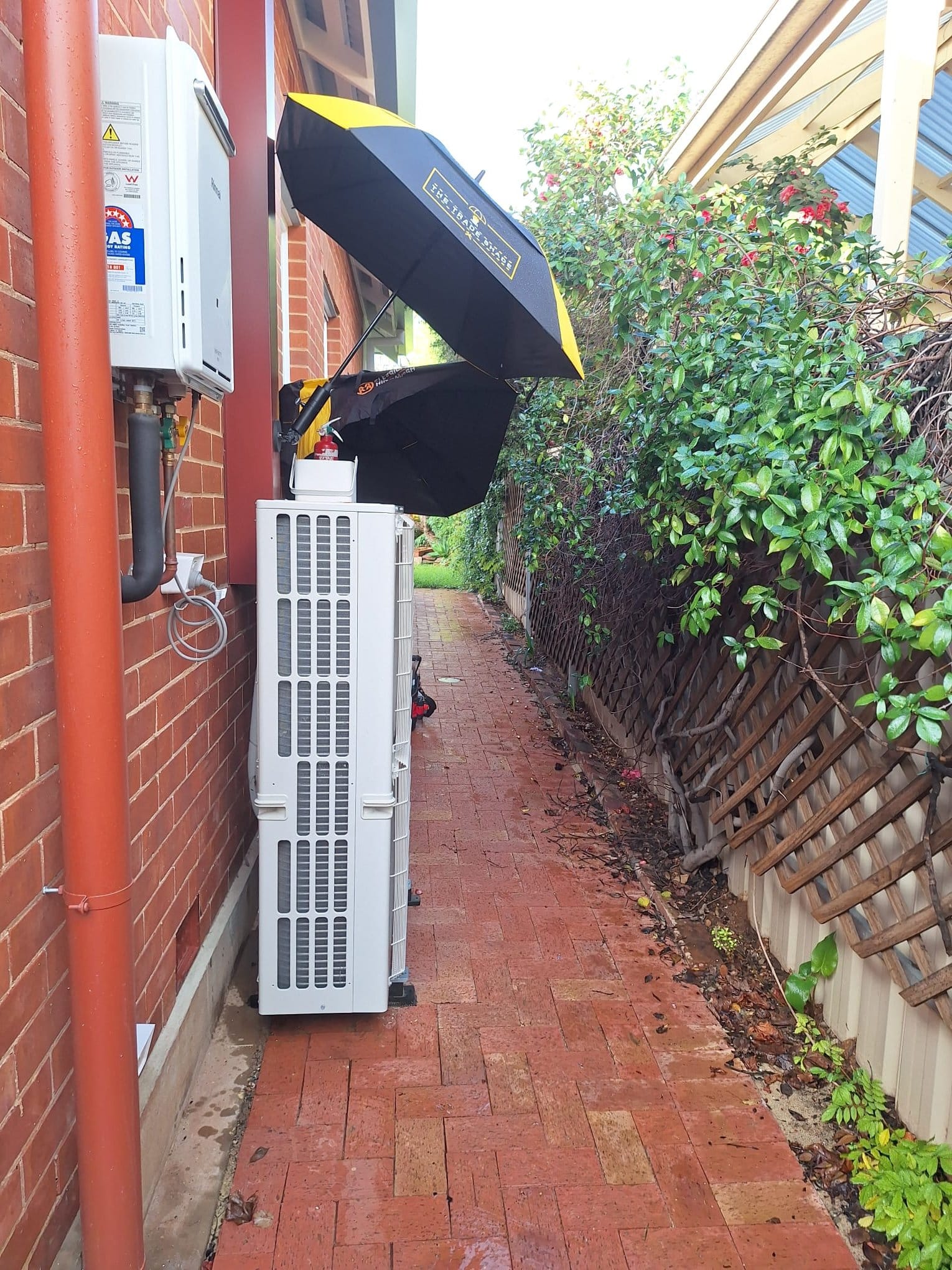
Where the unit sits matters as much as how it’s bolted down. Too close to a fence, wall, dense hedge or a tight courtyard, and the air it just dumped gets pulled straight back in. It overheats in summer and ices up in winter.
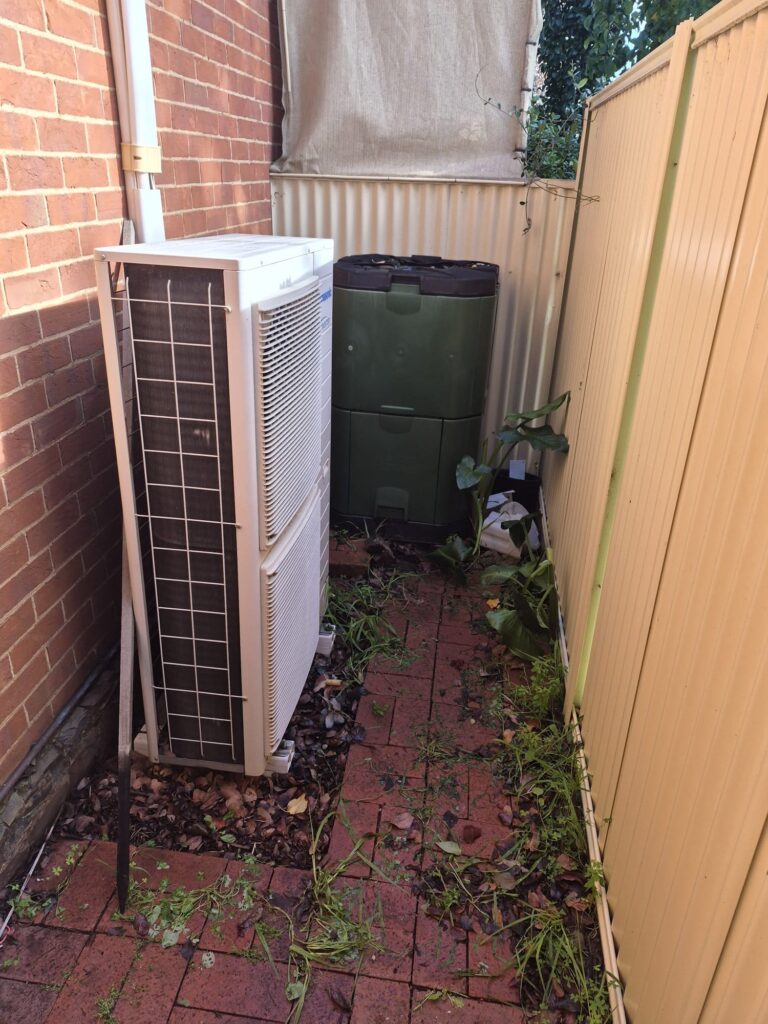
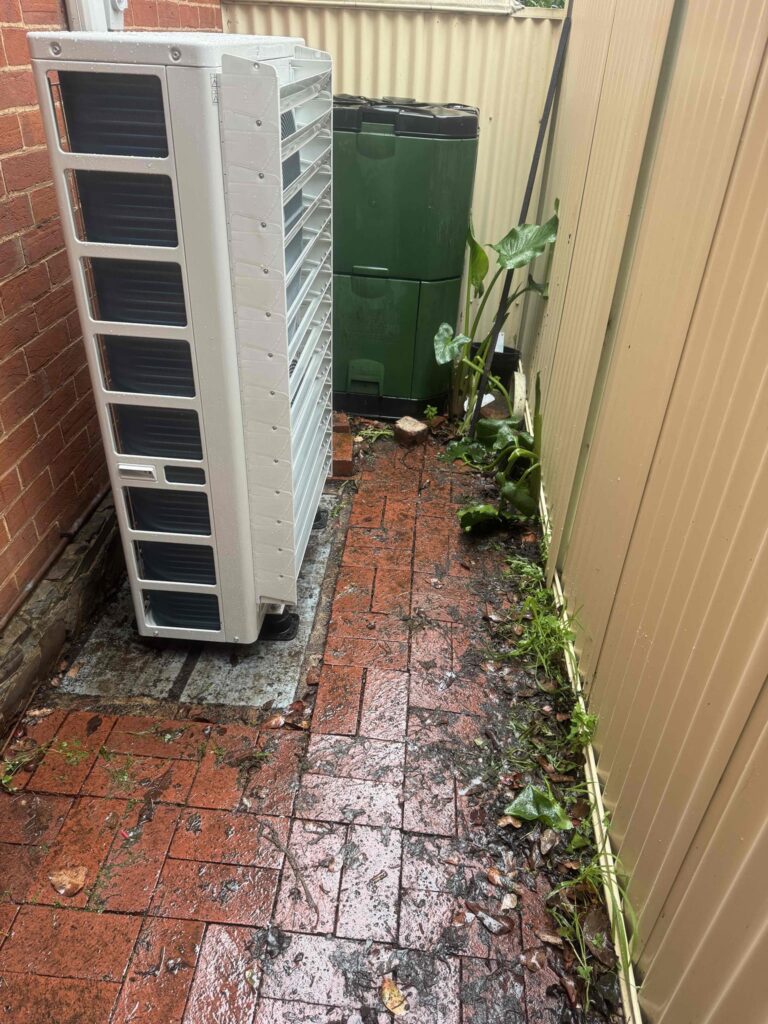
Up to fifty percent less performance, right when you need it most, and years of power bills for cooling and heating you’re not actually getting.
Costs you later
$1,500 – $2,500 to relocate, $600 for Air Benders + Additional Running Costs
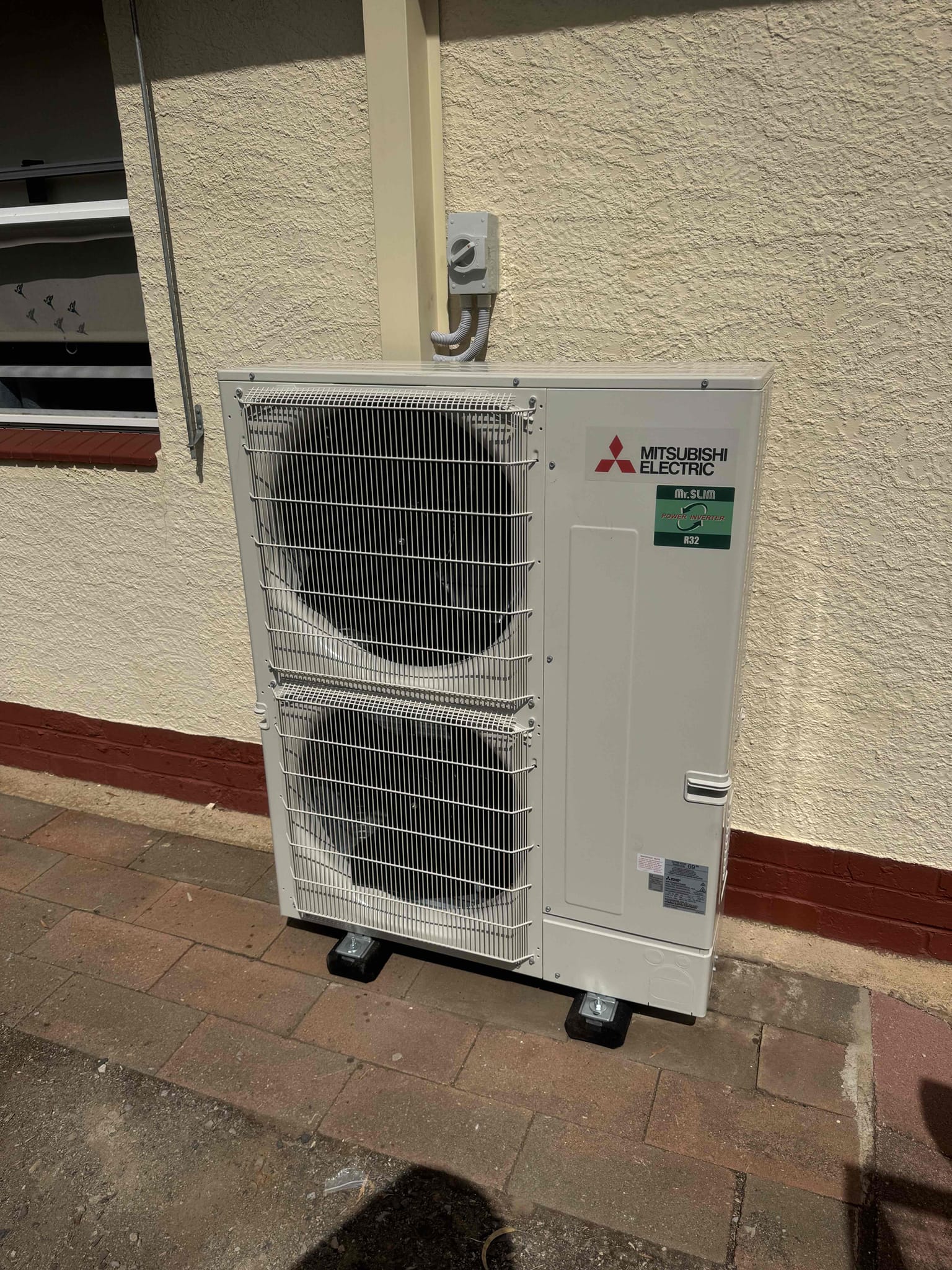
Outdoor Mounting
The outdoor unit is heavy and it vibrates. Cheap plastic feet have nothing to absorb that, so they crack, go uneven and break down in the sun
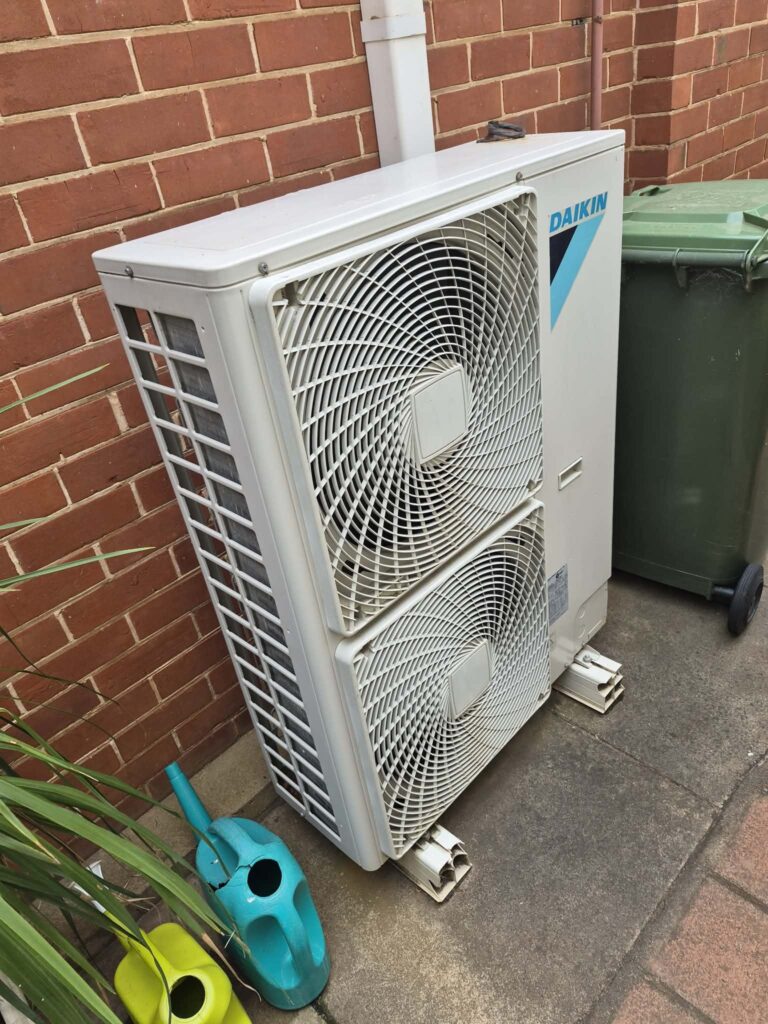
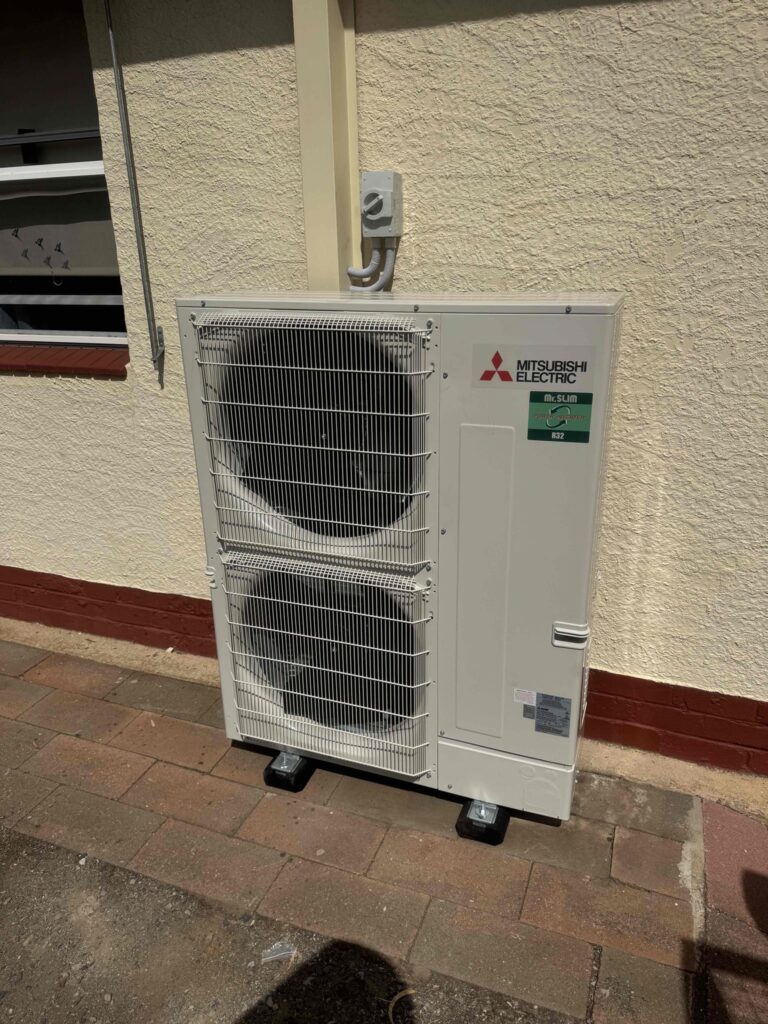
A unit sitting unevenly, vibrating against the wall and slab, wearing itself out faster.
Costs you later
$300 – $400
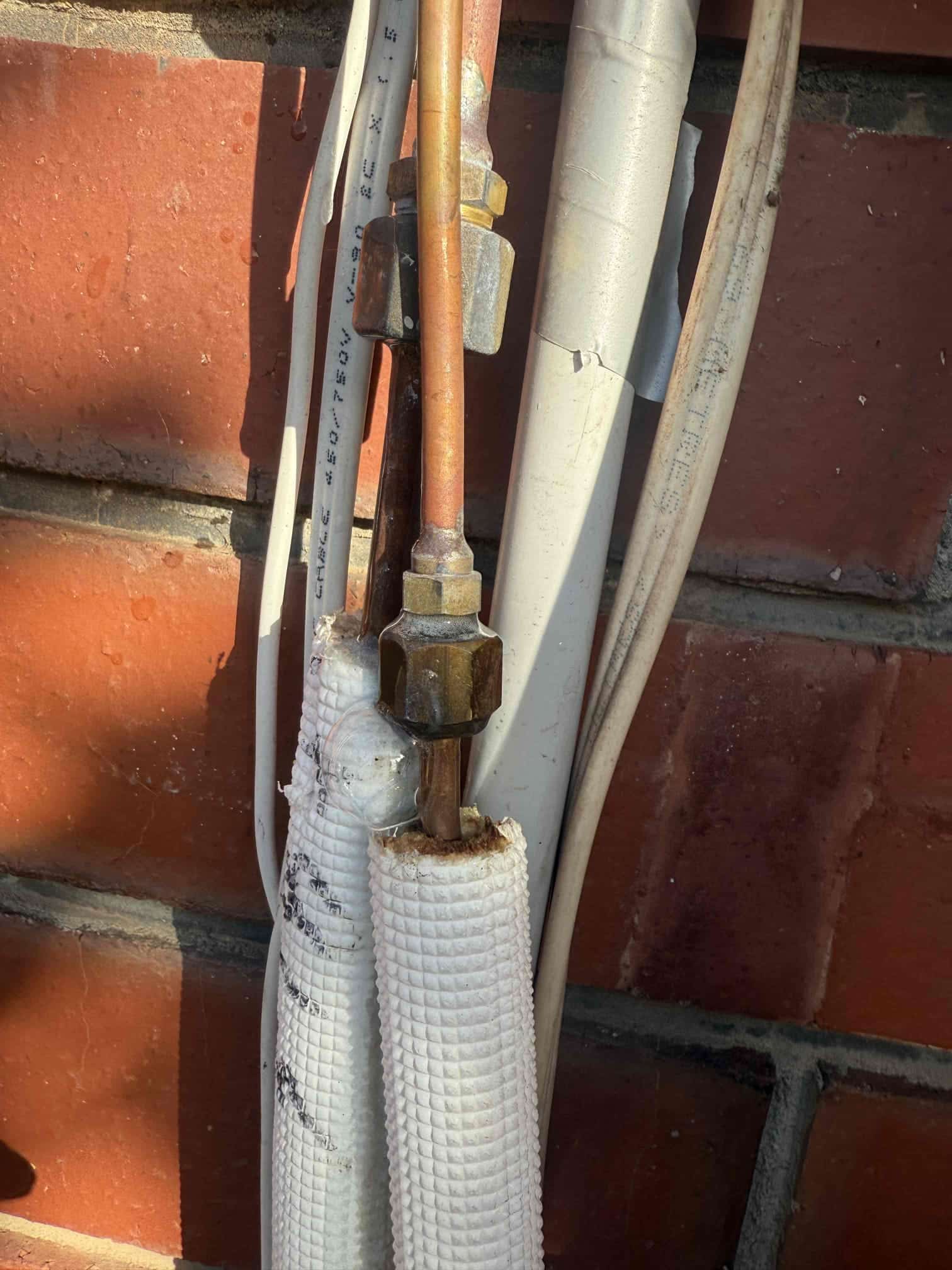
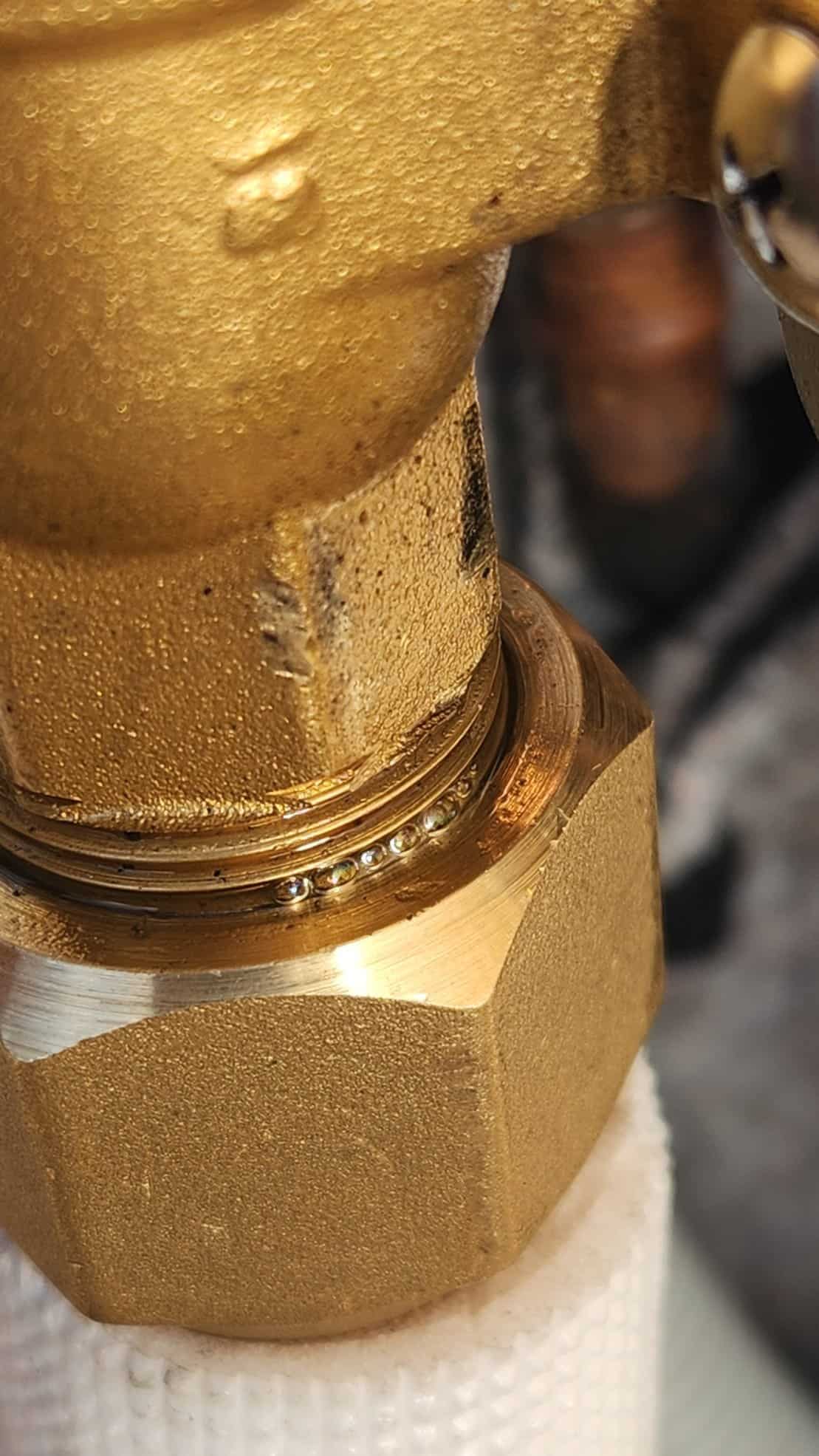
Copper flares
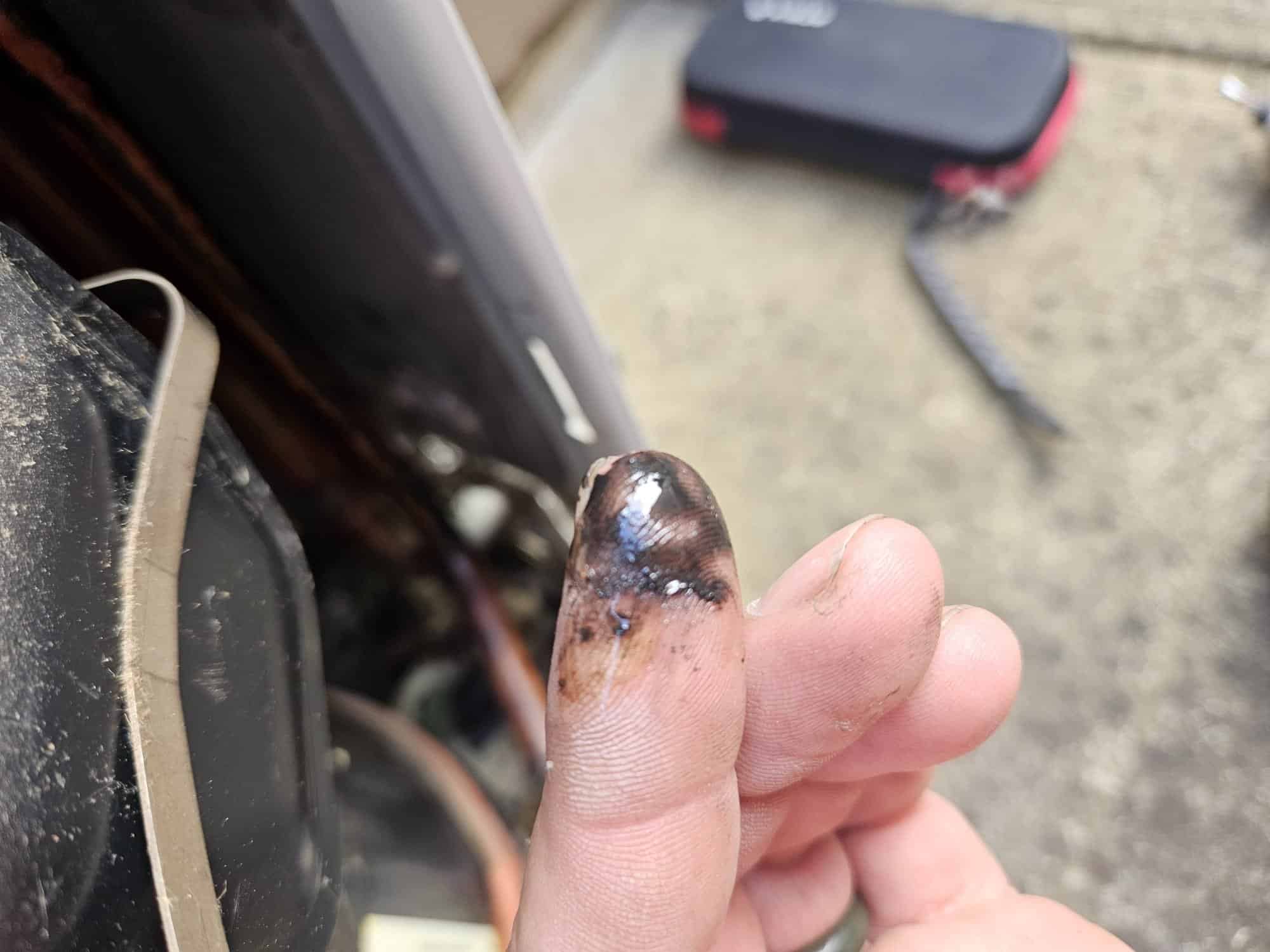
A poorly cut flare means a weak join at the indoor and outdoor units. Instead of cutting it again and doing it right, a lot of installers reach for leak-lock compound to mask it
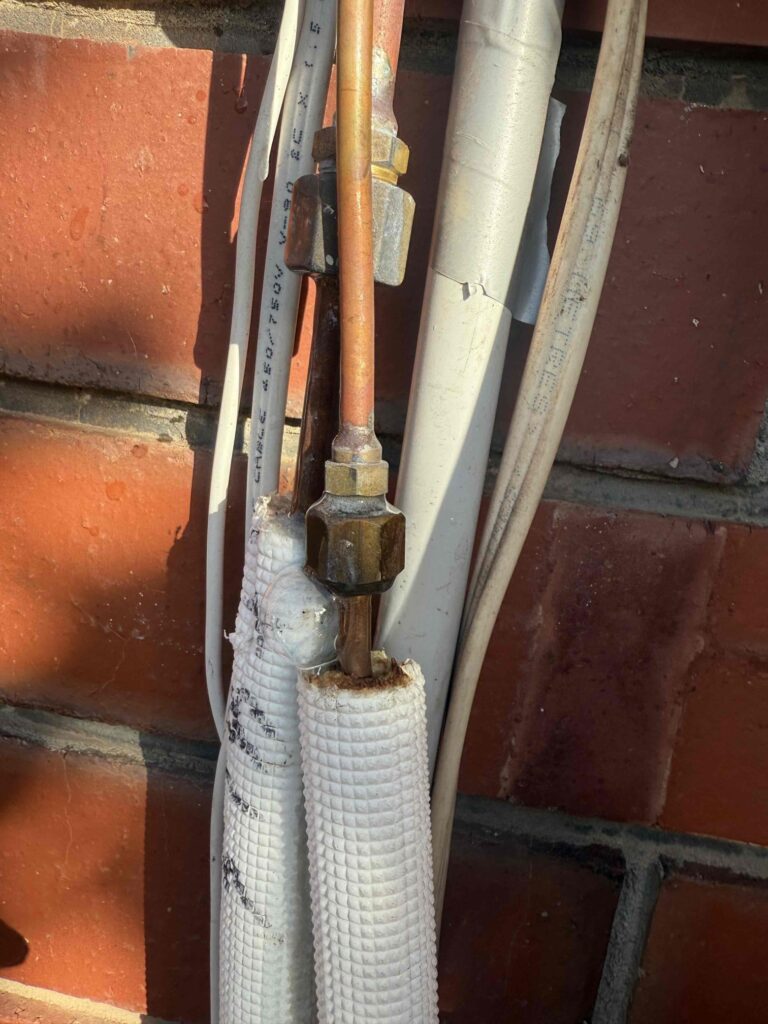
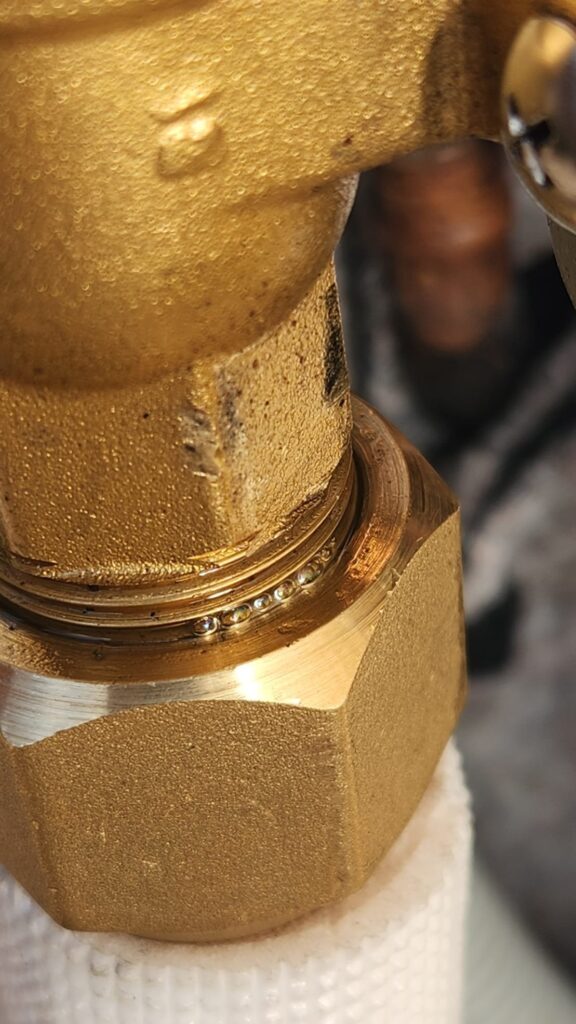
The cost to fix a gas leak is the cheaper mistake. If that compound gets into the system it blocks orifices and can take out the compressor entirely, which means a whole new outdoor unit.
Costs you later
$1,500 – $6,000+ if the outdoor unit needs to be replaced
System evacuation
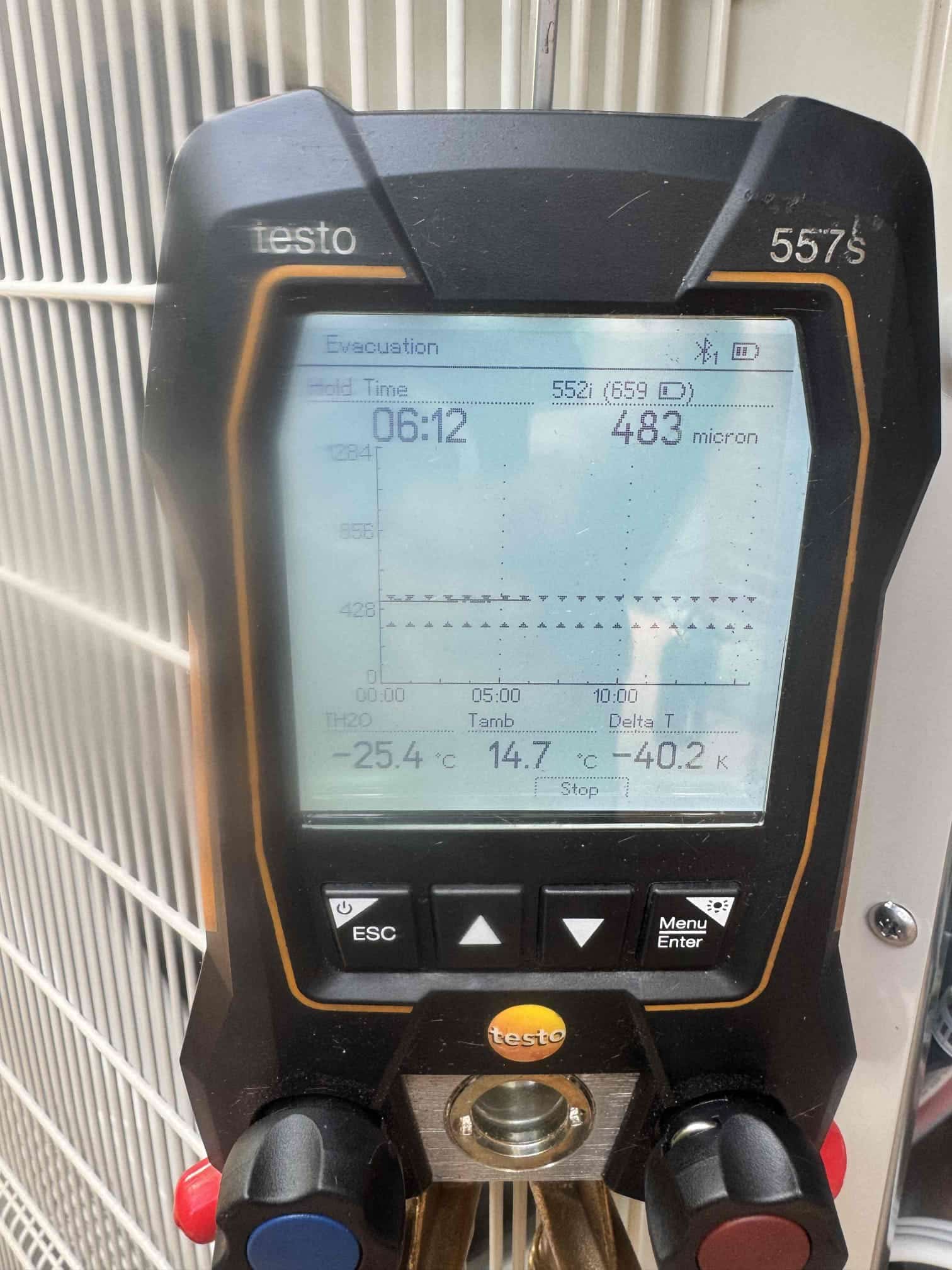
Once it’s all connected, the system has to be properly evacuated of moisture. Done badly, with a poor vacuum or an illegal purge, moisture stays inside. It reacts with the compressor oil, turns to acid, and quietly eats the compressor. You won’t see it for five or six years, long after the warranty’s gone.
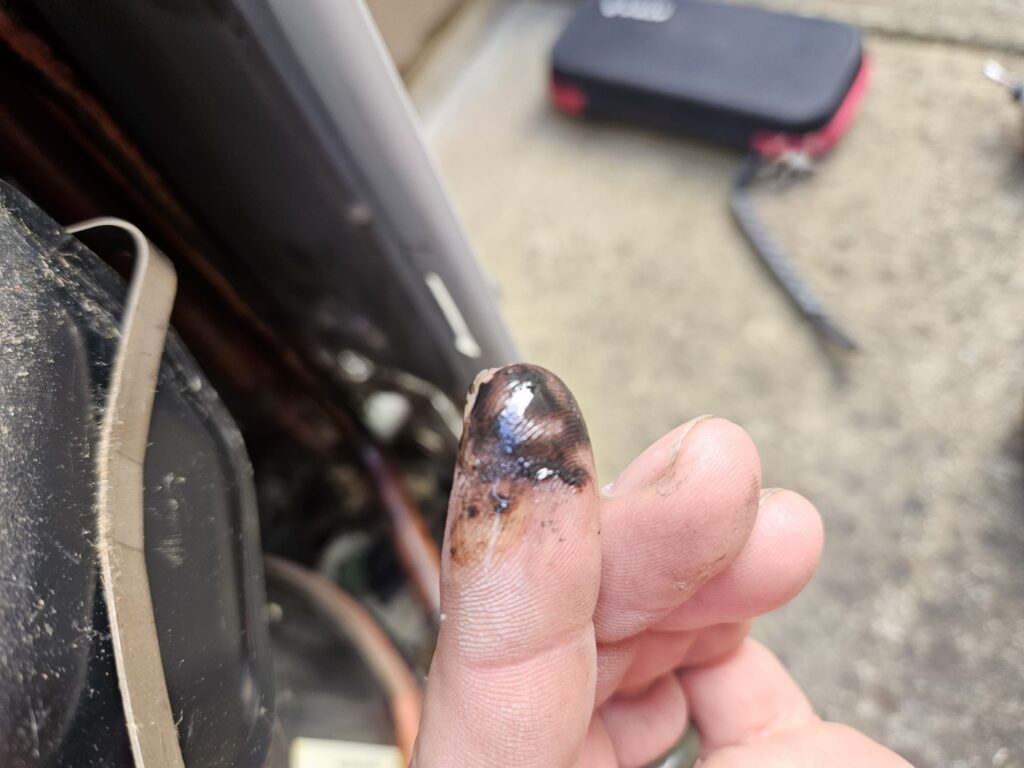
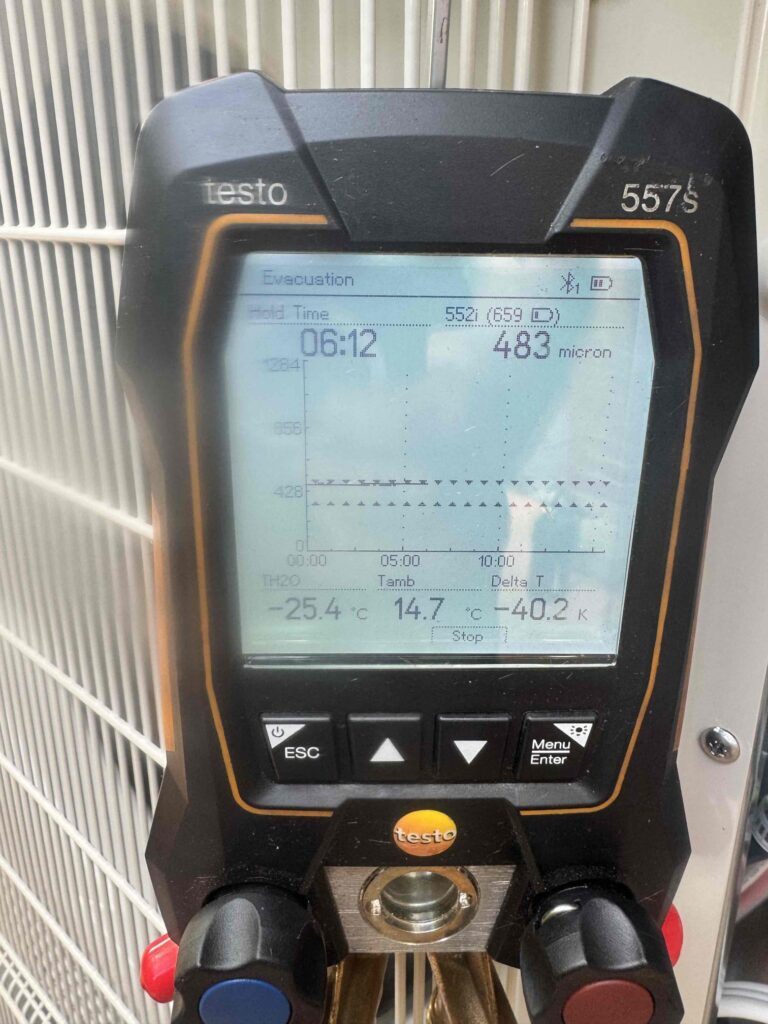
A new compressor, plus burnout dryers so the replacement doesn’t go the same way. No manufacturer warranty covers moisture damage. Done wrong, it halves the life of your air conditioner.
Costs you later
$5,000 – $9,000+ if the outdoor unit needs to be replaced
Indoor unit and ductwork
This is where the costly, hidden problems live. Most of it sits in the ceiling out of sight, so when it’s done badly you don’t find out until water comes through or the unit stops keeping up.
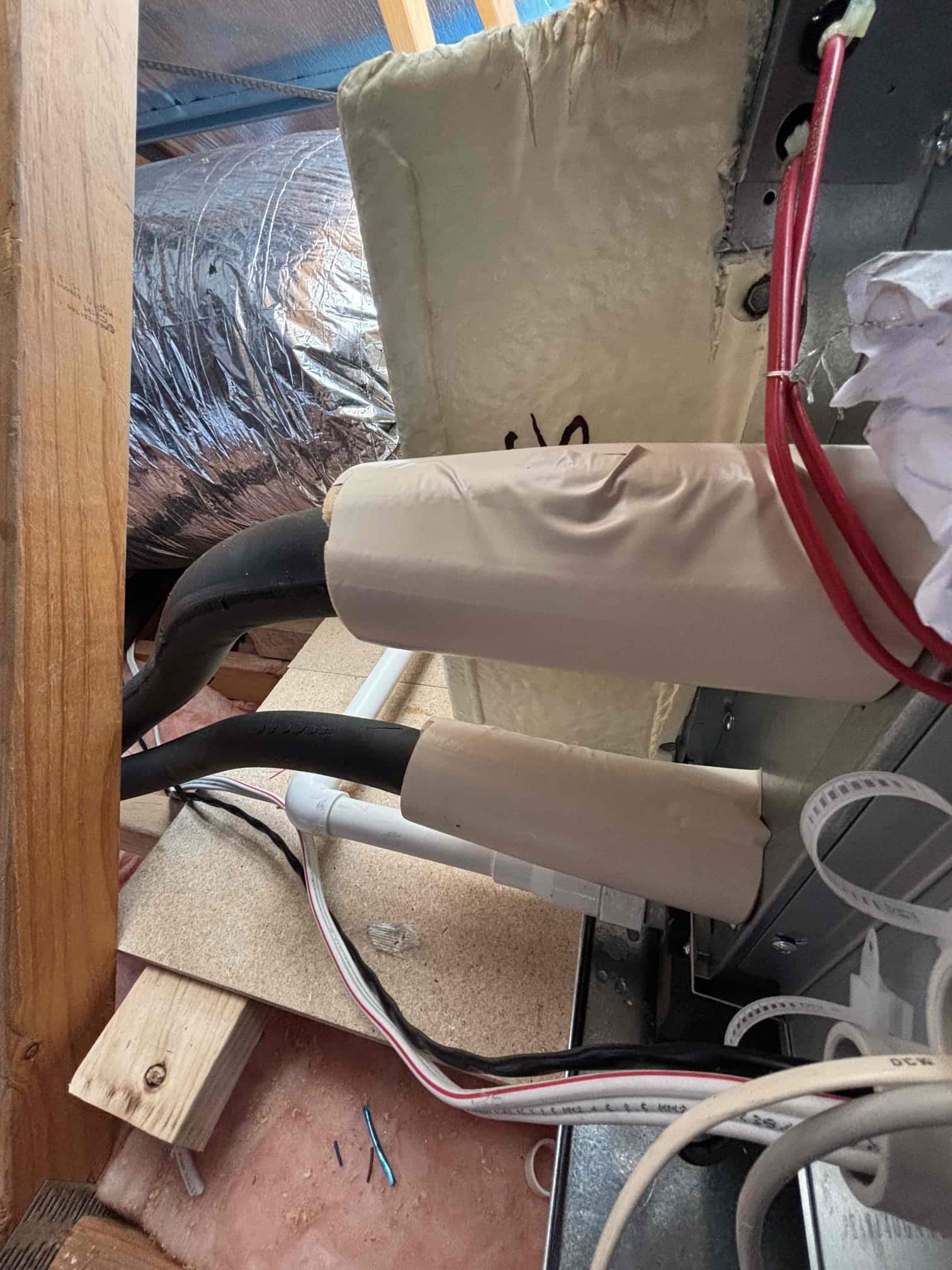
Indoor drains
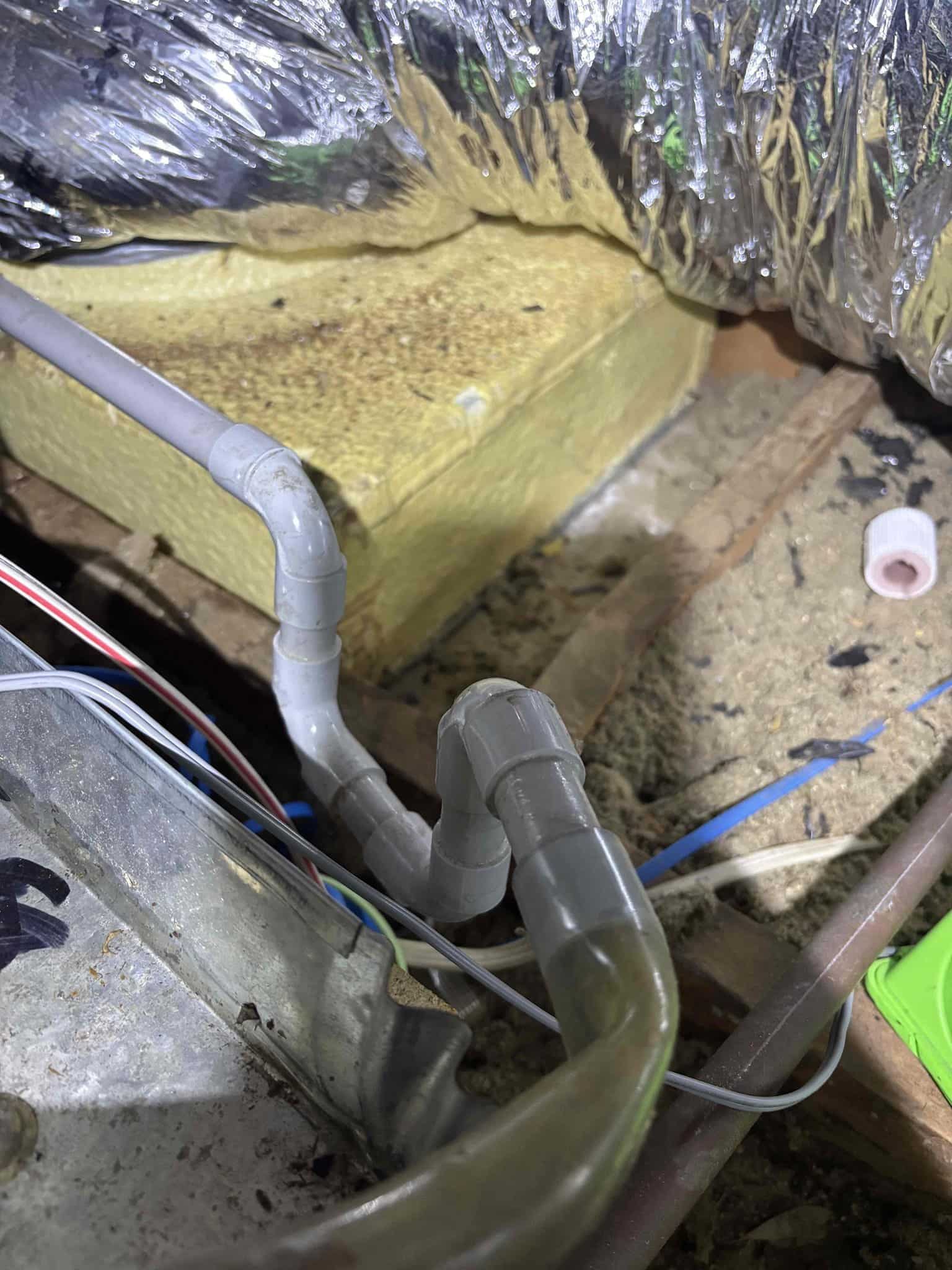
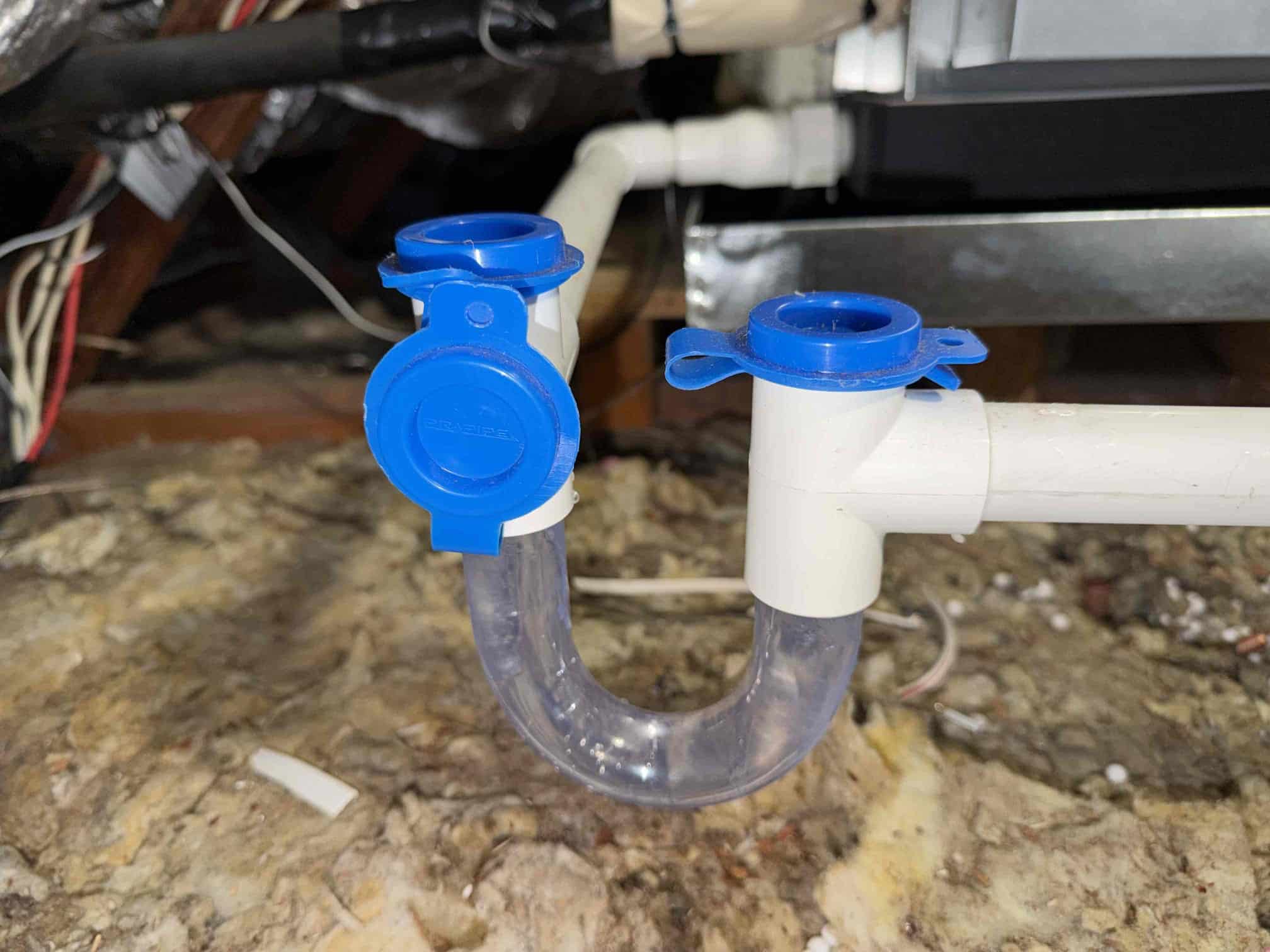
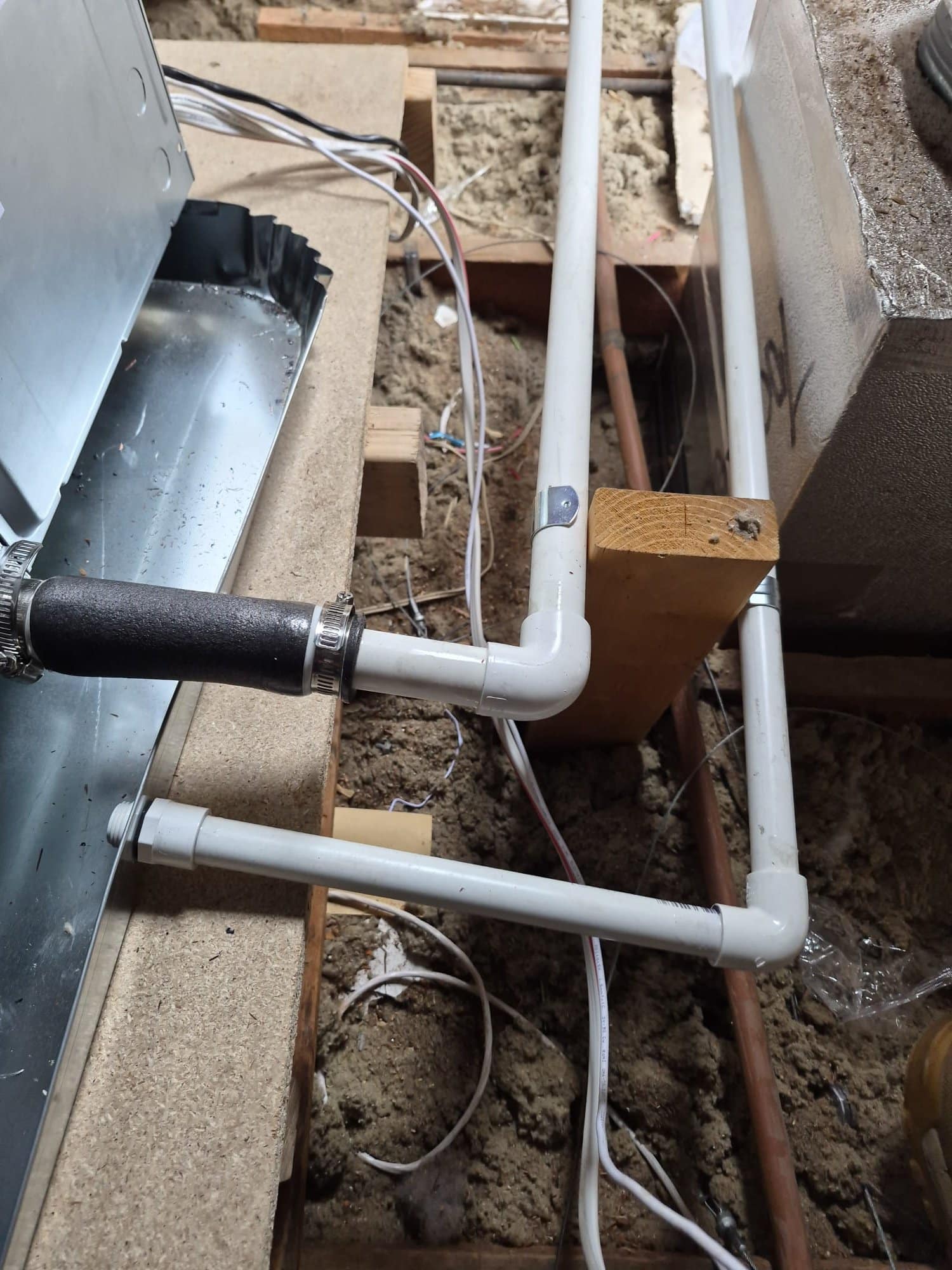
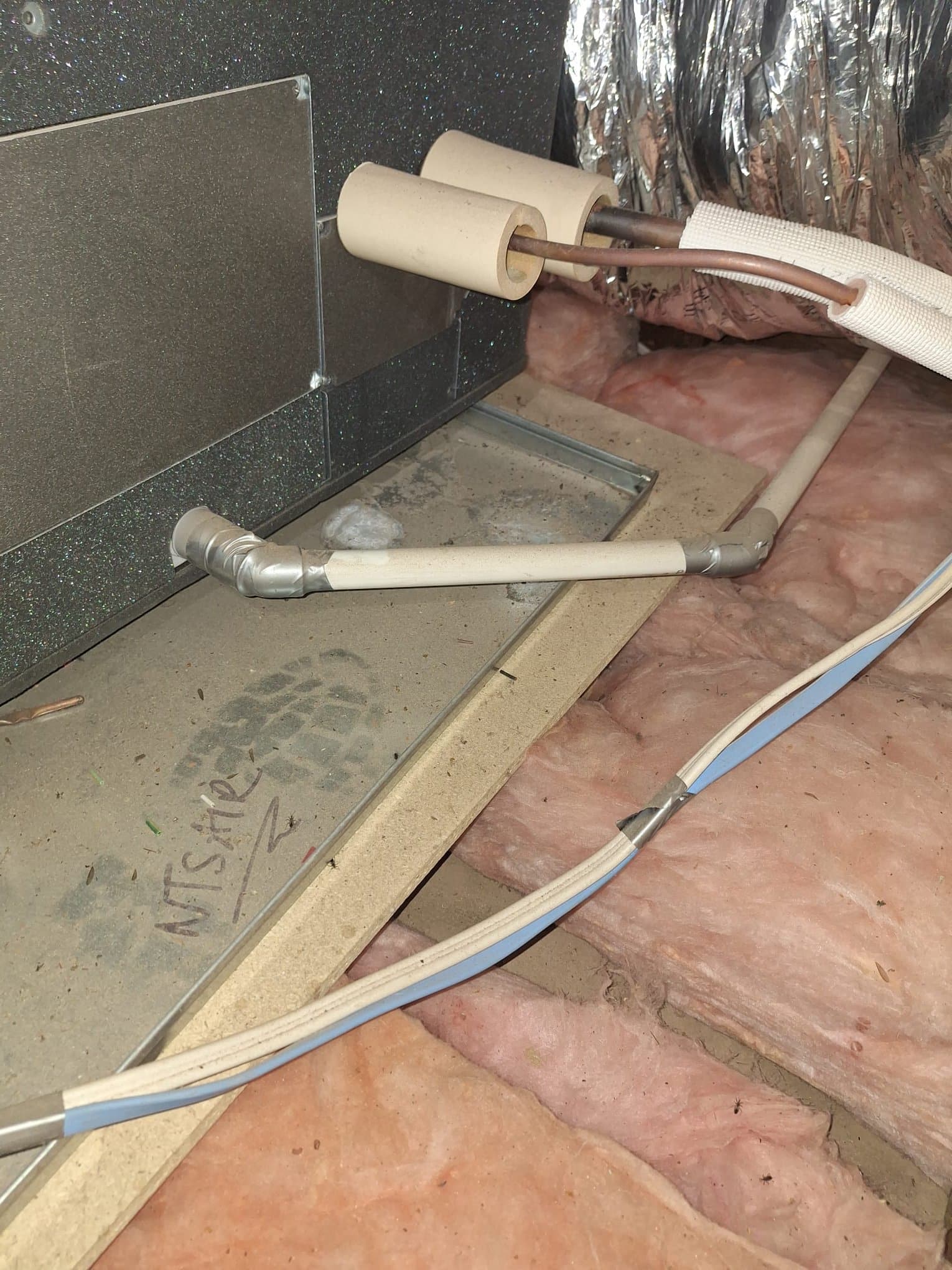
Most cheap quotes reuse the old drain. It’s usually 15mm drain pipe where it should be 20mm, it’s not set with proper fall, and it’s left unsecured so it droops and air locks. They’ll also fit a sealed p-trap you can never clean out
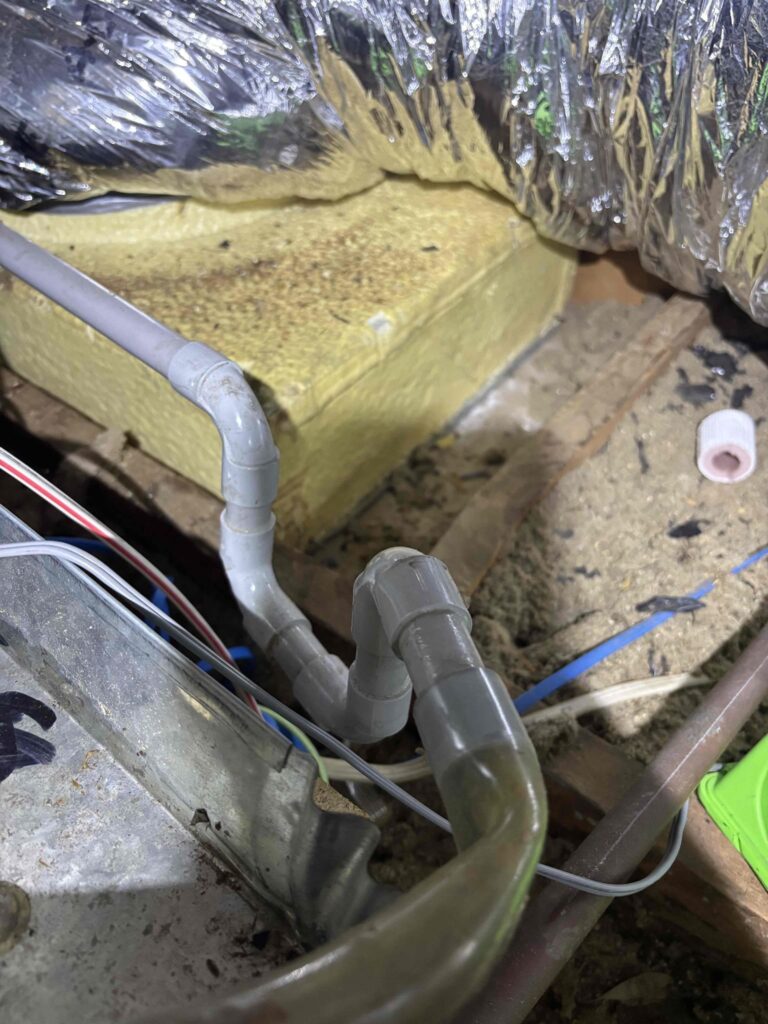
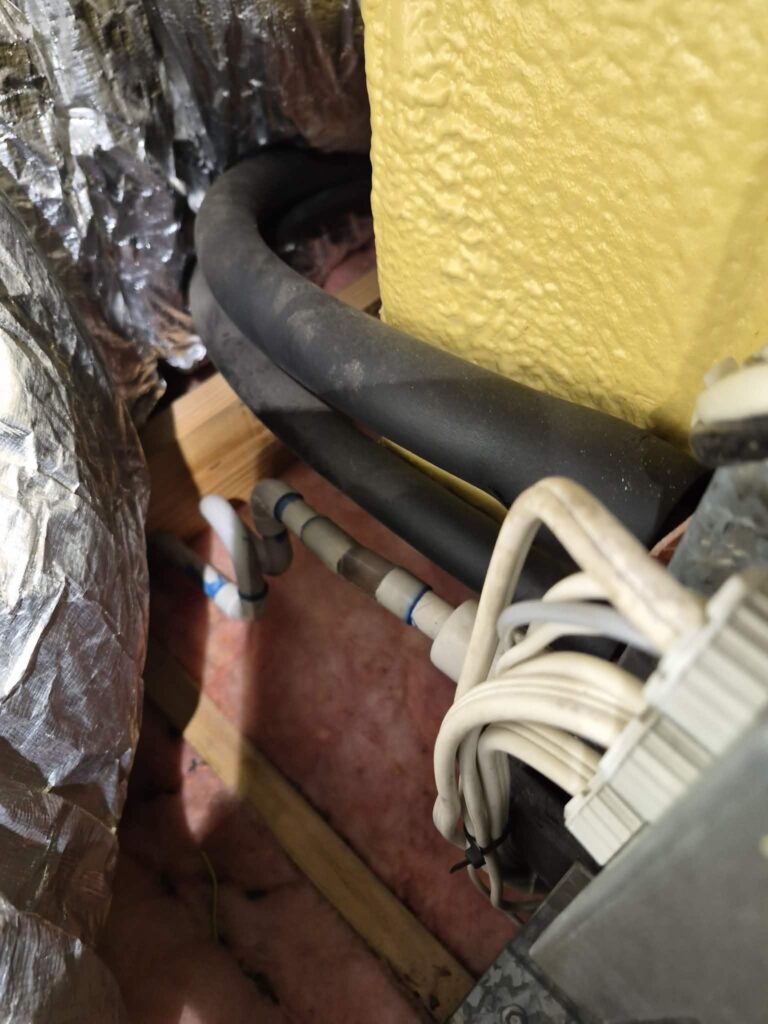
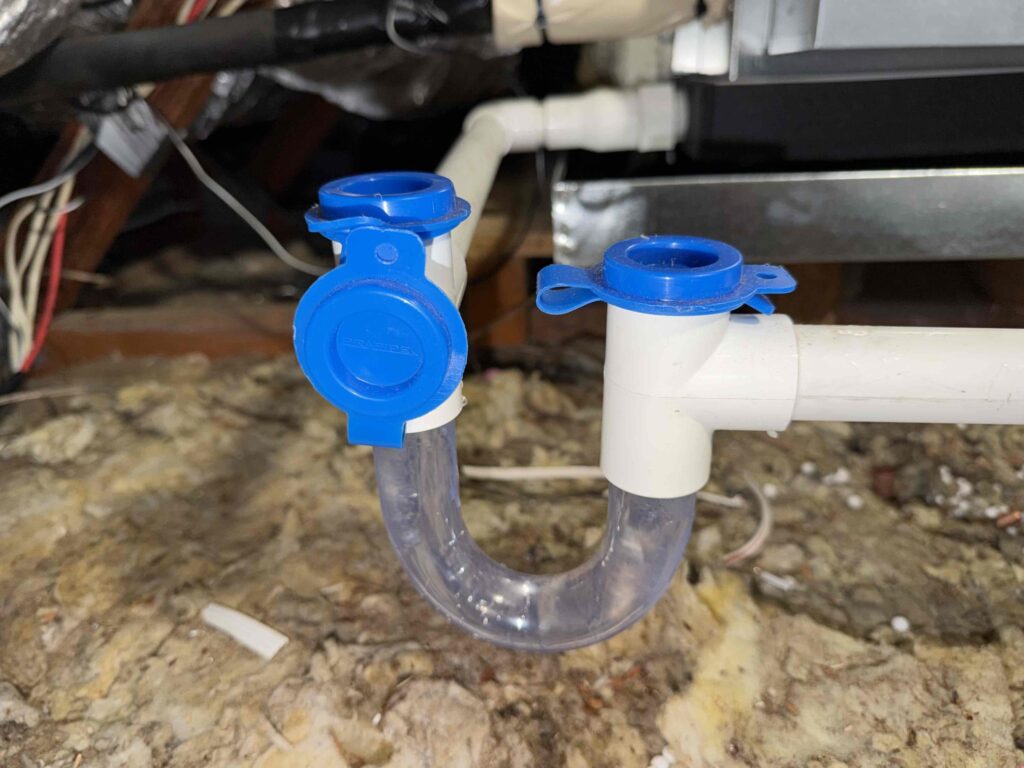
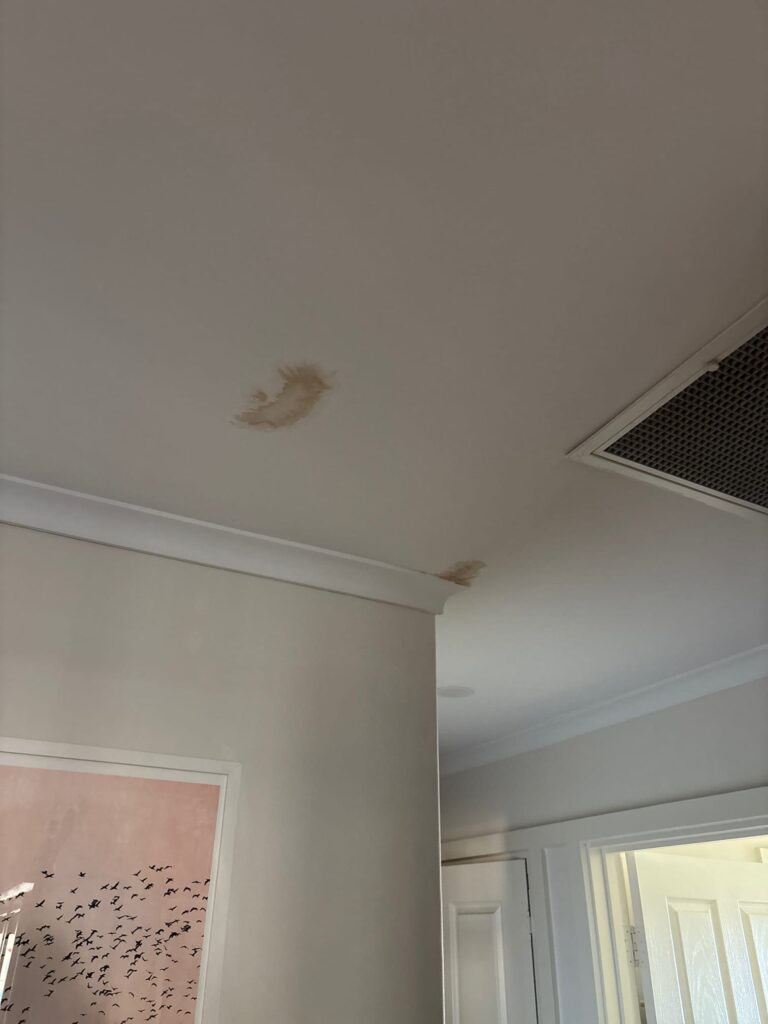
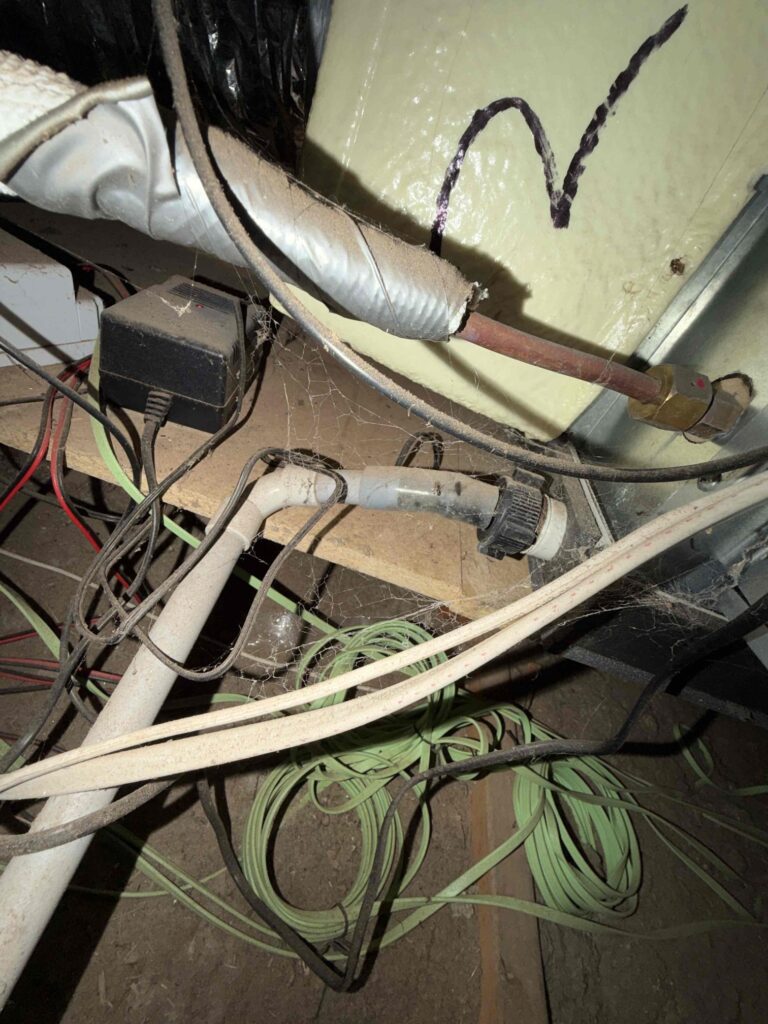
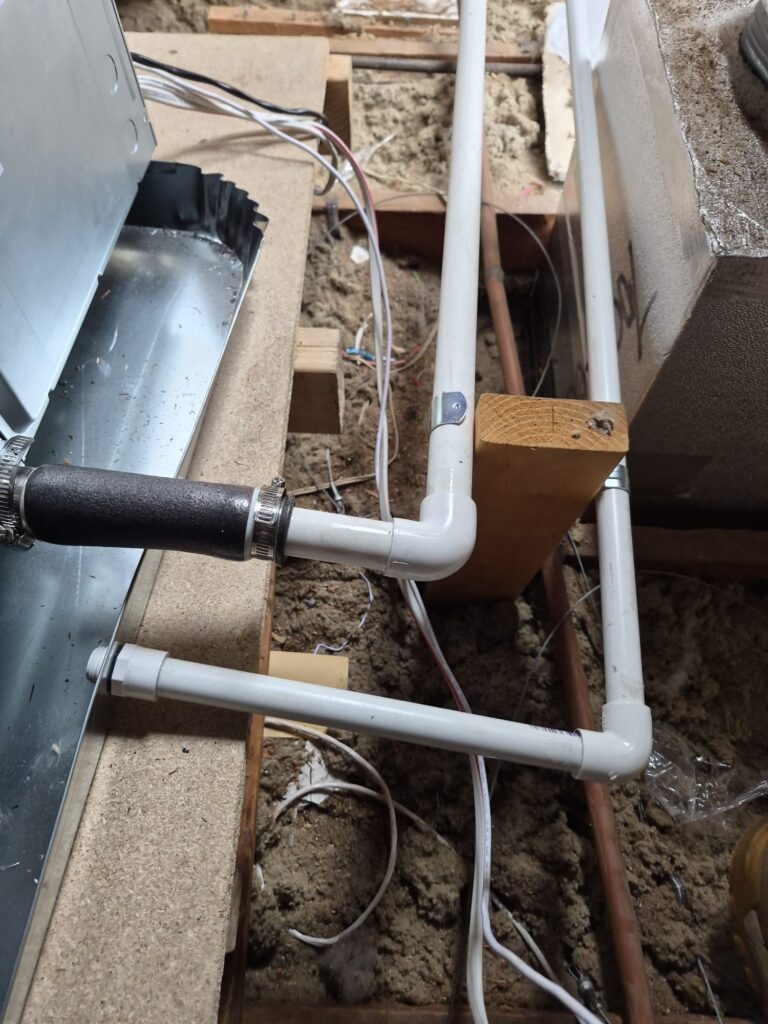
Air locks and sagging lines back water up into your home. We replace bad drains regularly, because most installers don’t get them right.
Costs you later
$1,800 – $2,500
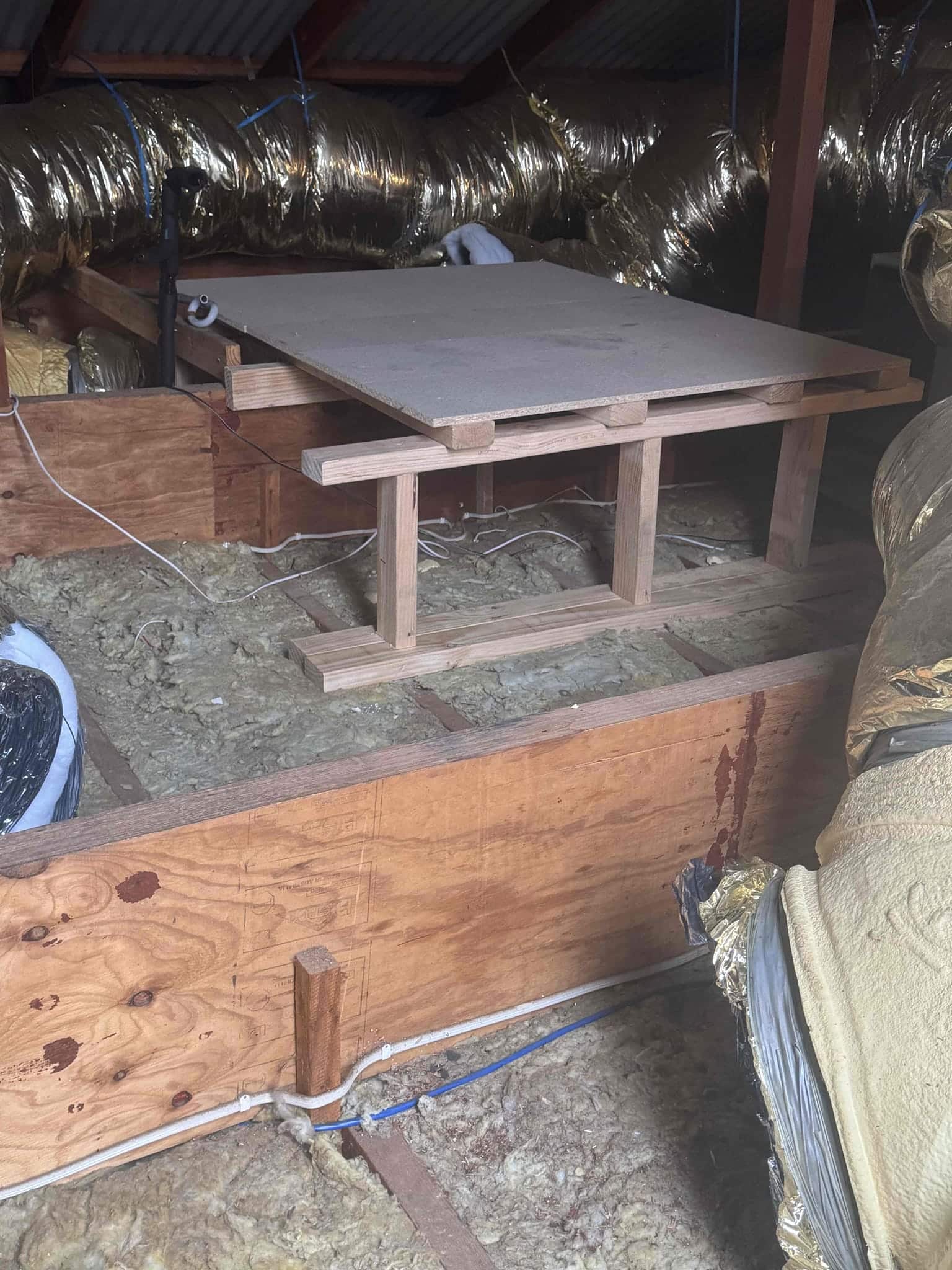
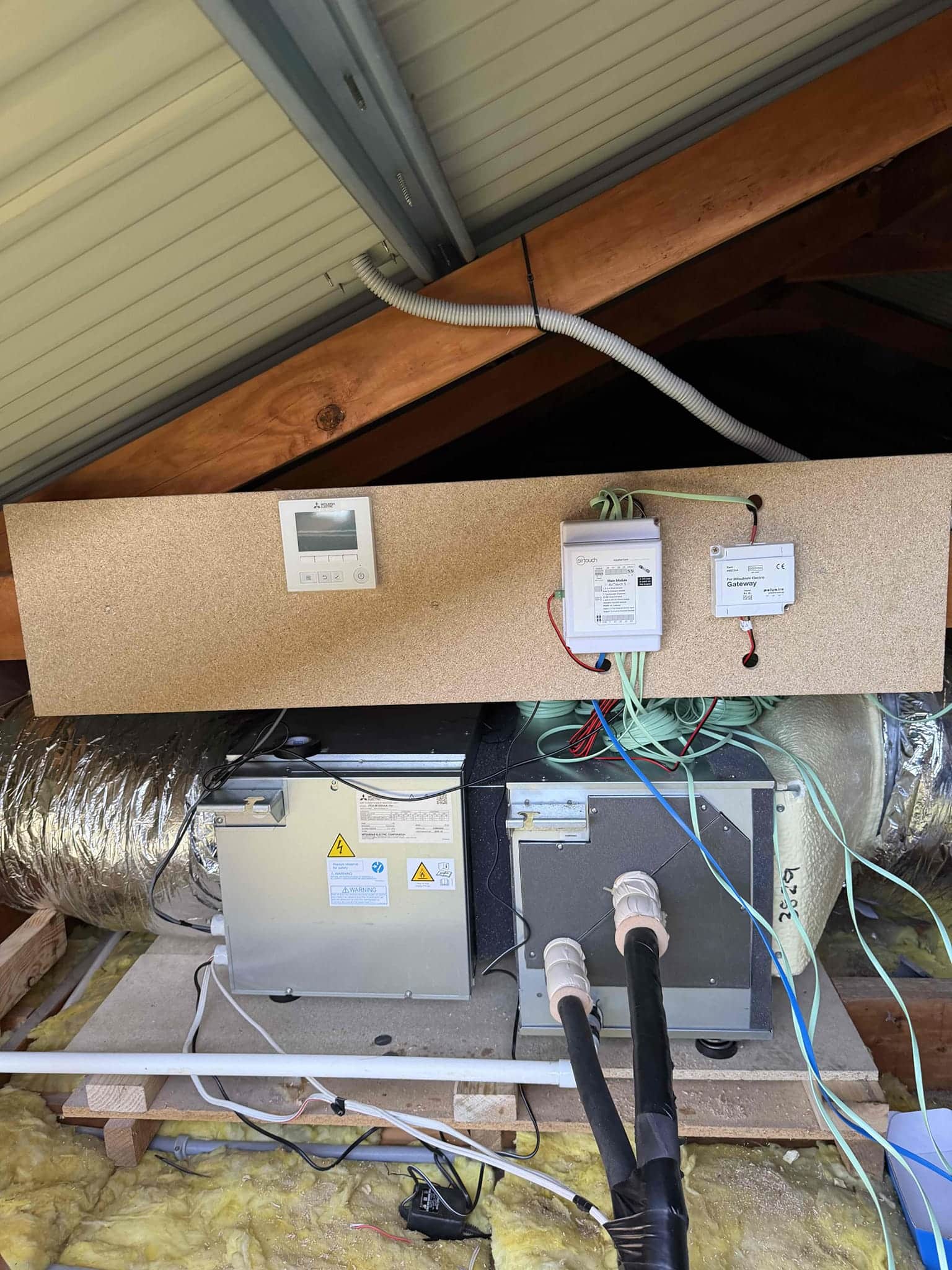
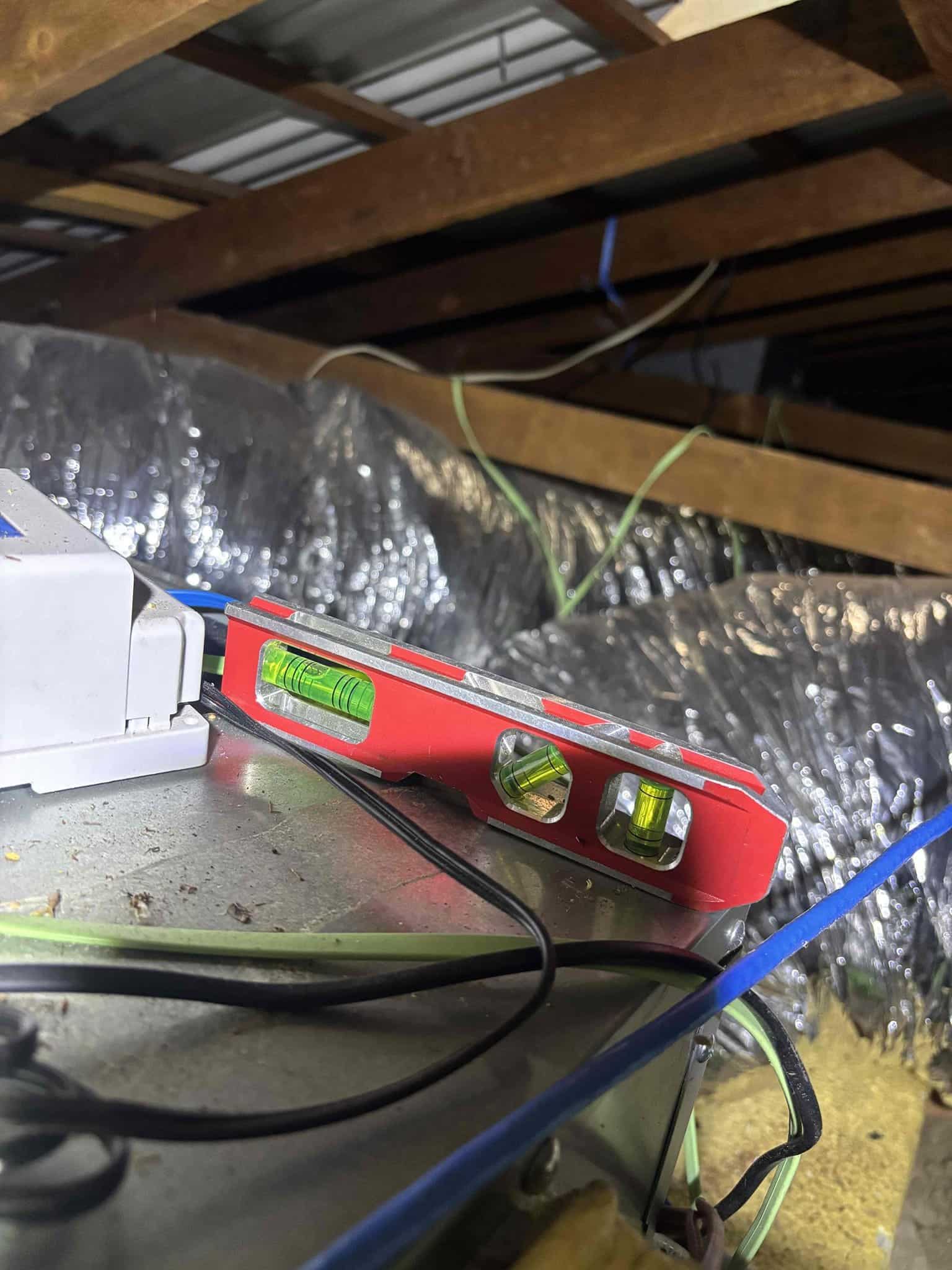
Indoor unit platform
The indoor unit has to sit at the right height for the drains to fall away properly. A lot of installers reuse the old platform or knock one together from pallet timber. Old timber that’s had water through it is soft, and it will bow or collapse
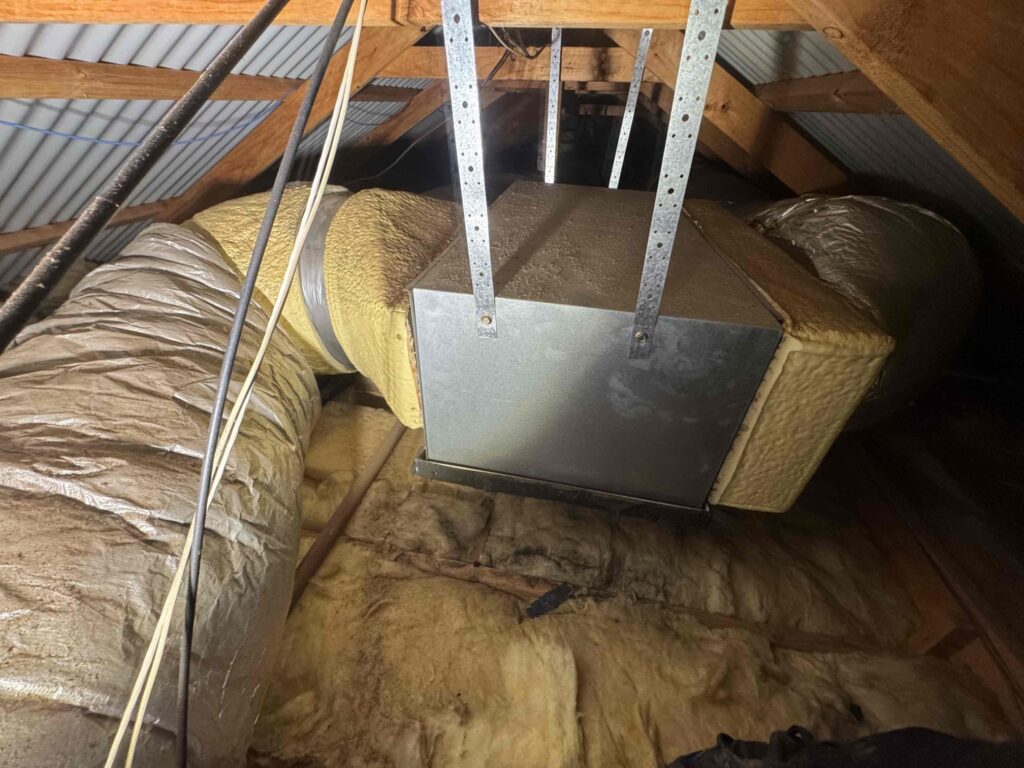
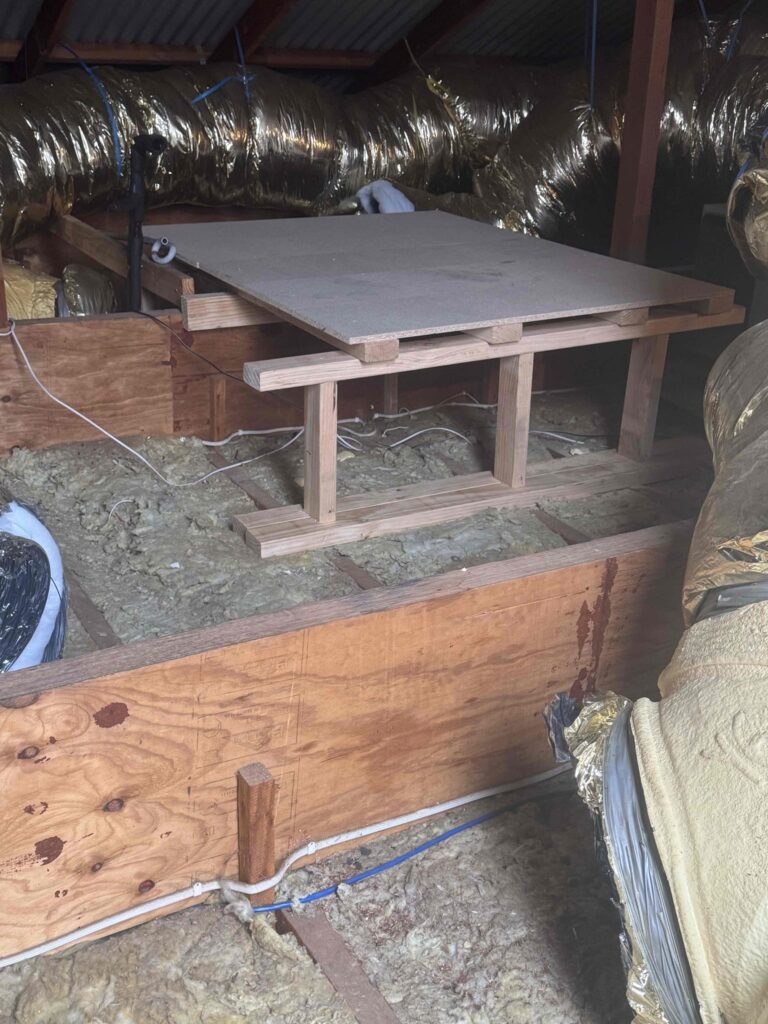
Drains that don’t fall, water pooling, and leaks into the ceiling. Fixing it means lifting the unit and rebuilding the platform from scratch.
Costs you later
$1,800 – $2,800
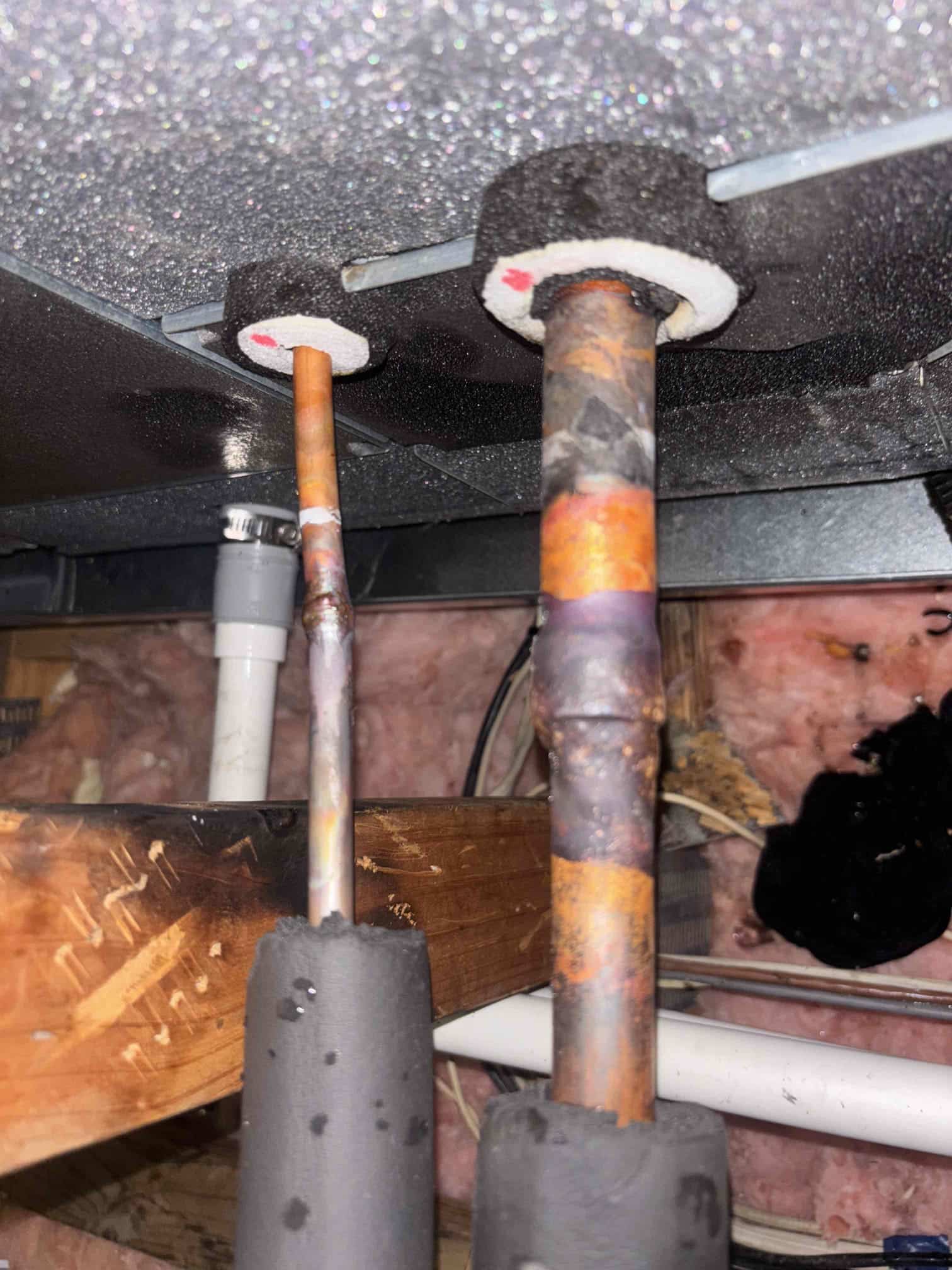
Indoor pipe insulation
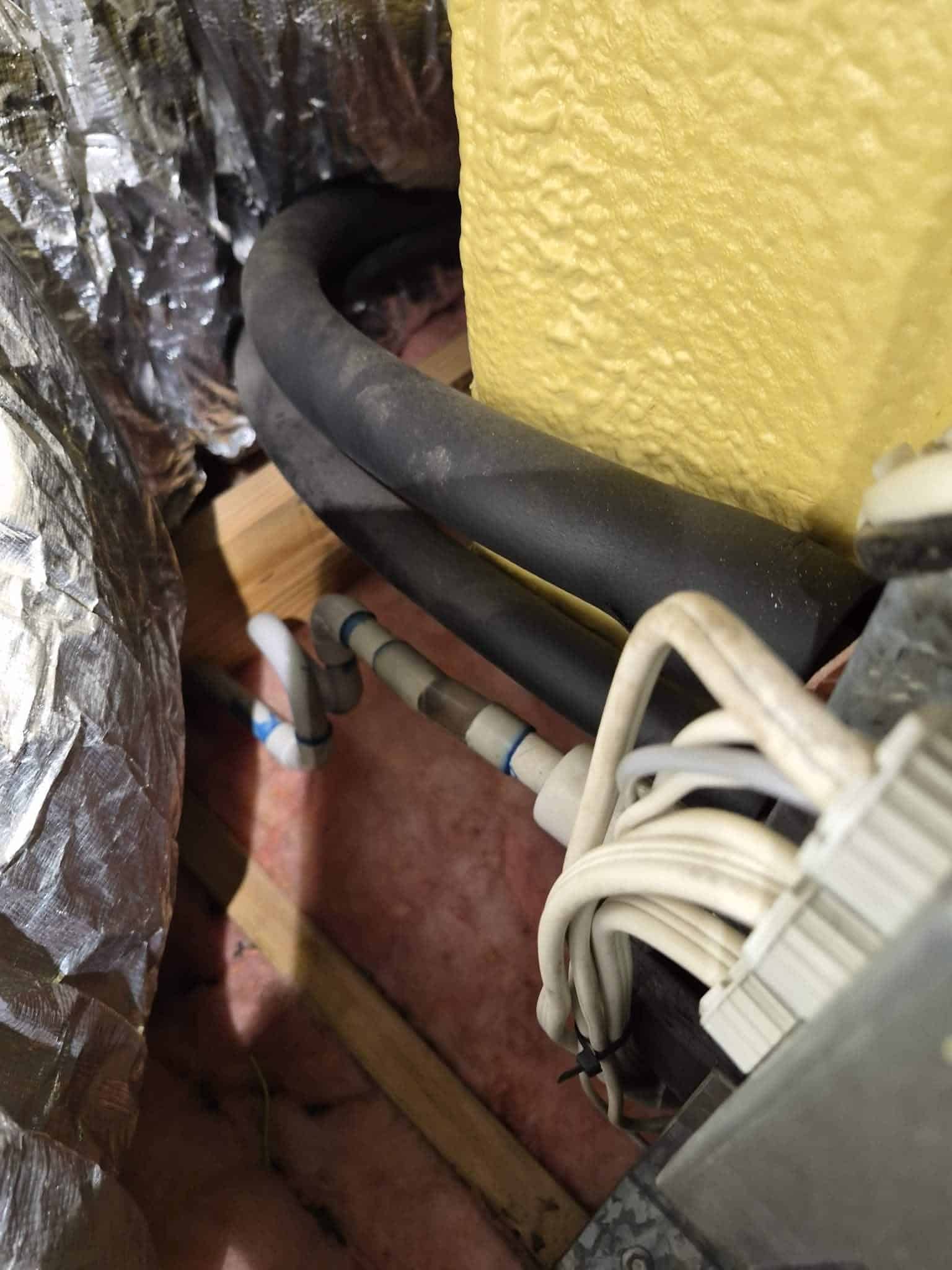
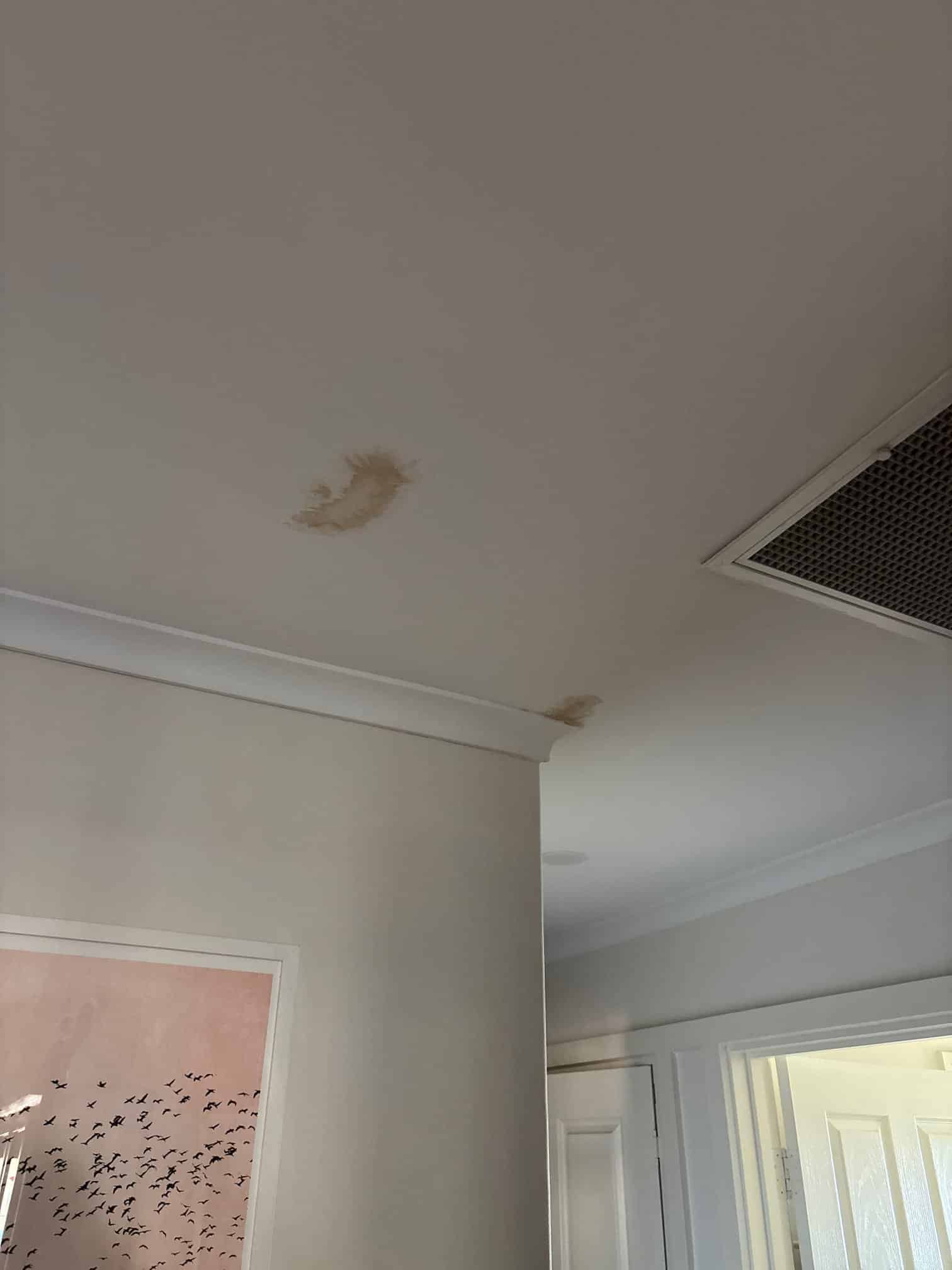
In cooling mode the copper pipes at the indoor unit sweat. If they’re not fully insulated, or the insulation is cut short, that condensate drips onto the ceiling and soaks the insulation above it.
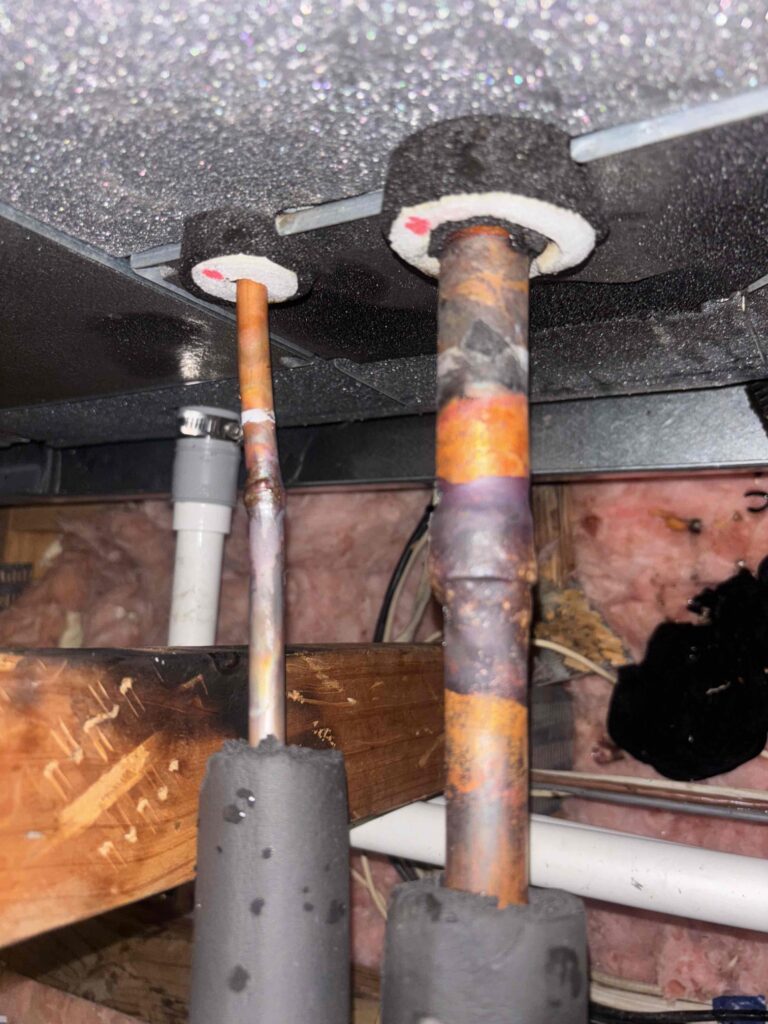
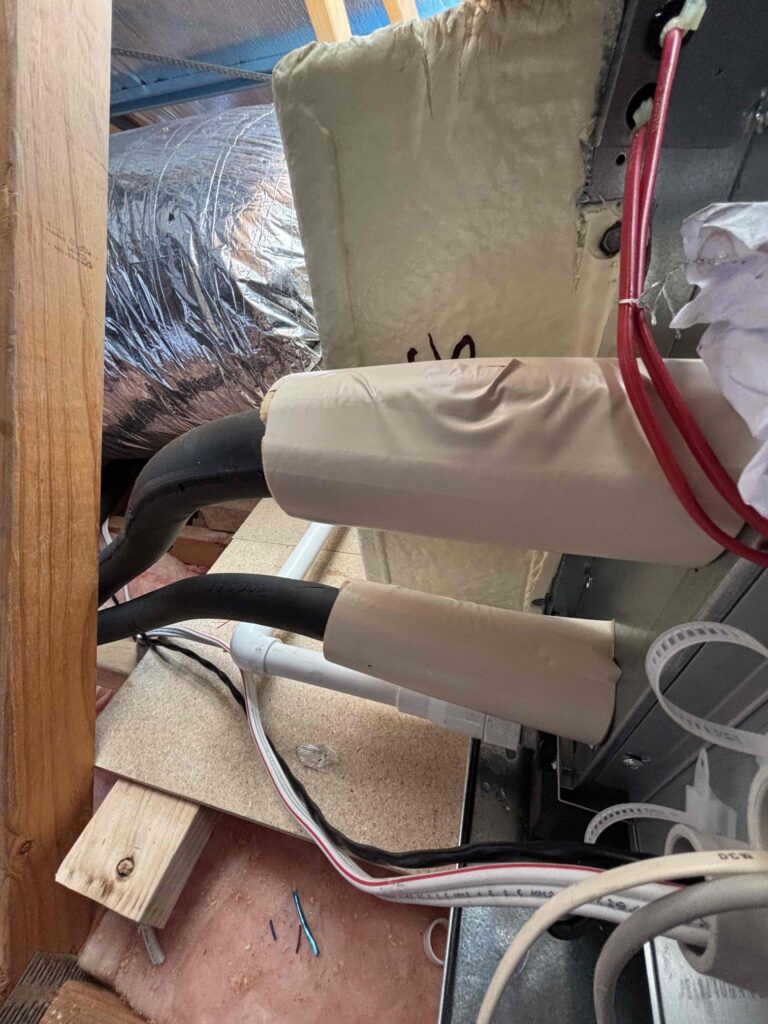
Mouldy ceiling insulation and water-stained ceilings, with the bill depending on how much has to be patched and painted.
Costs you later
$1,000 – $3,000
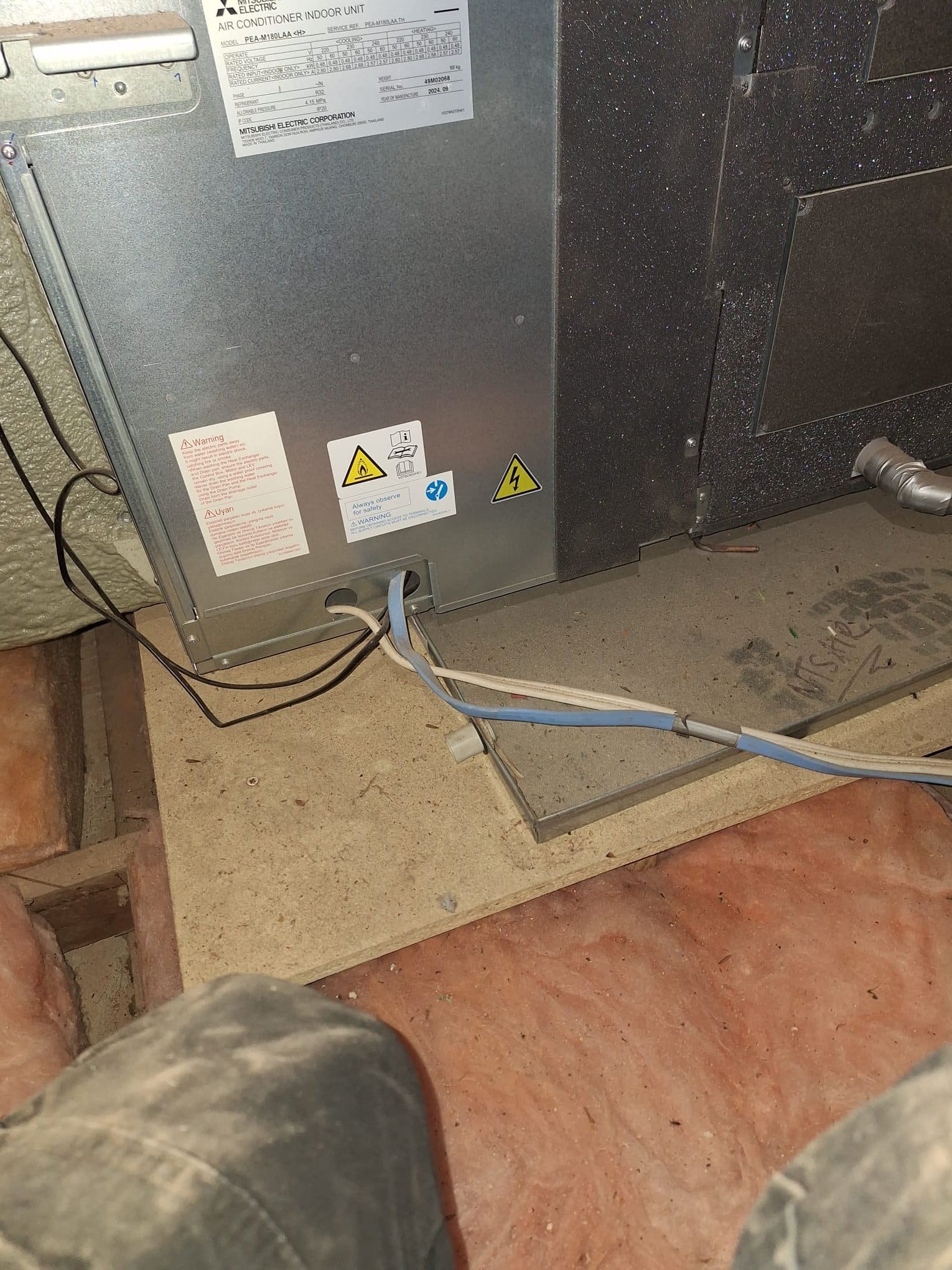
Interconnect communication cable
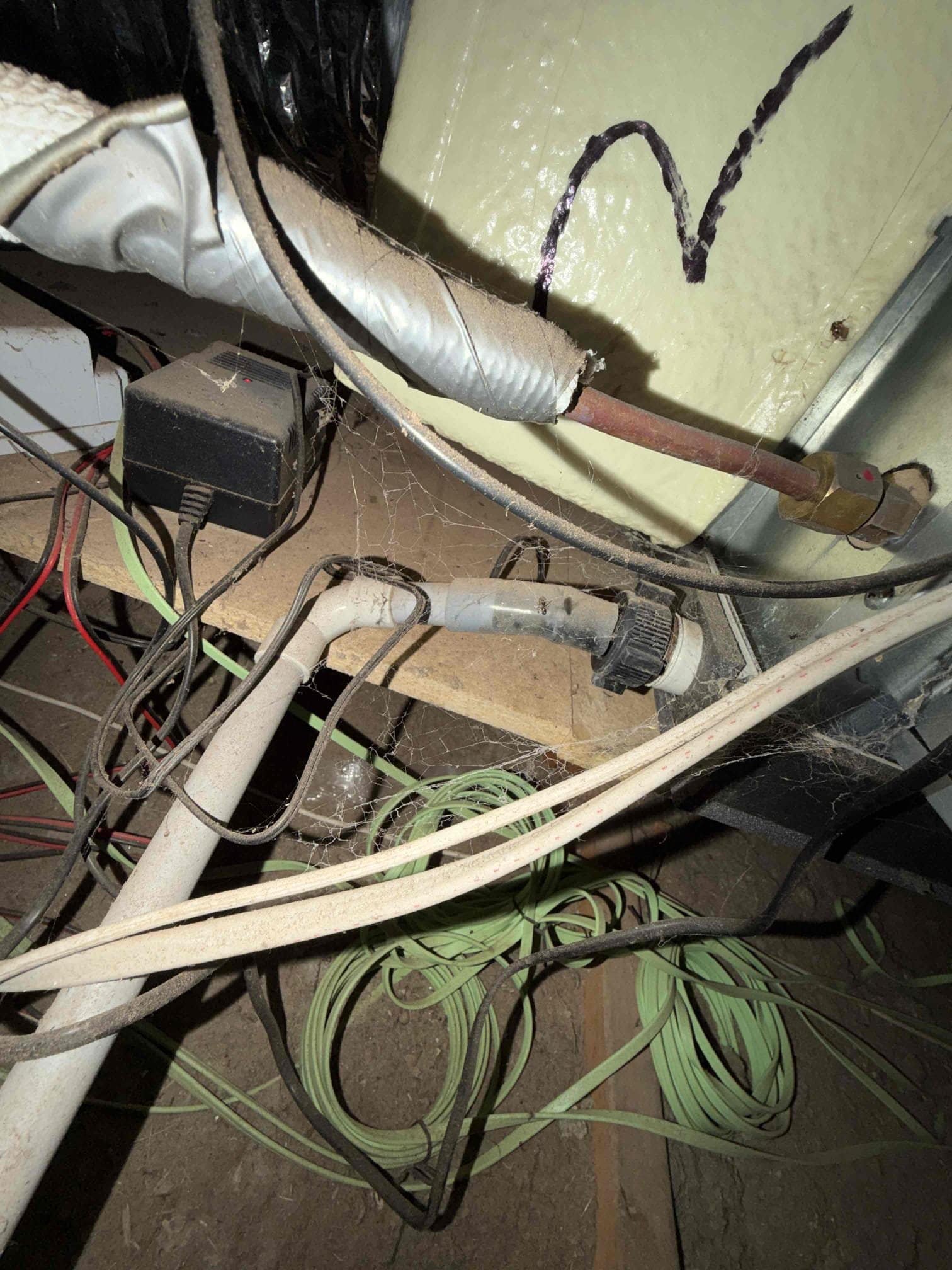
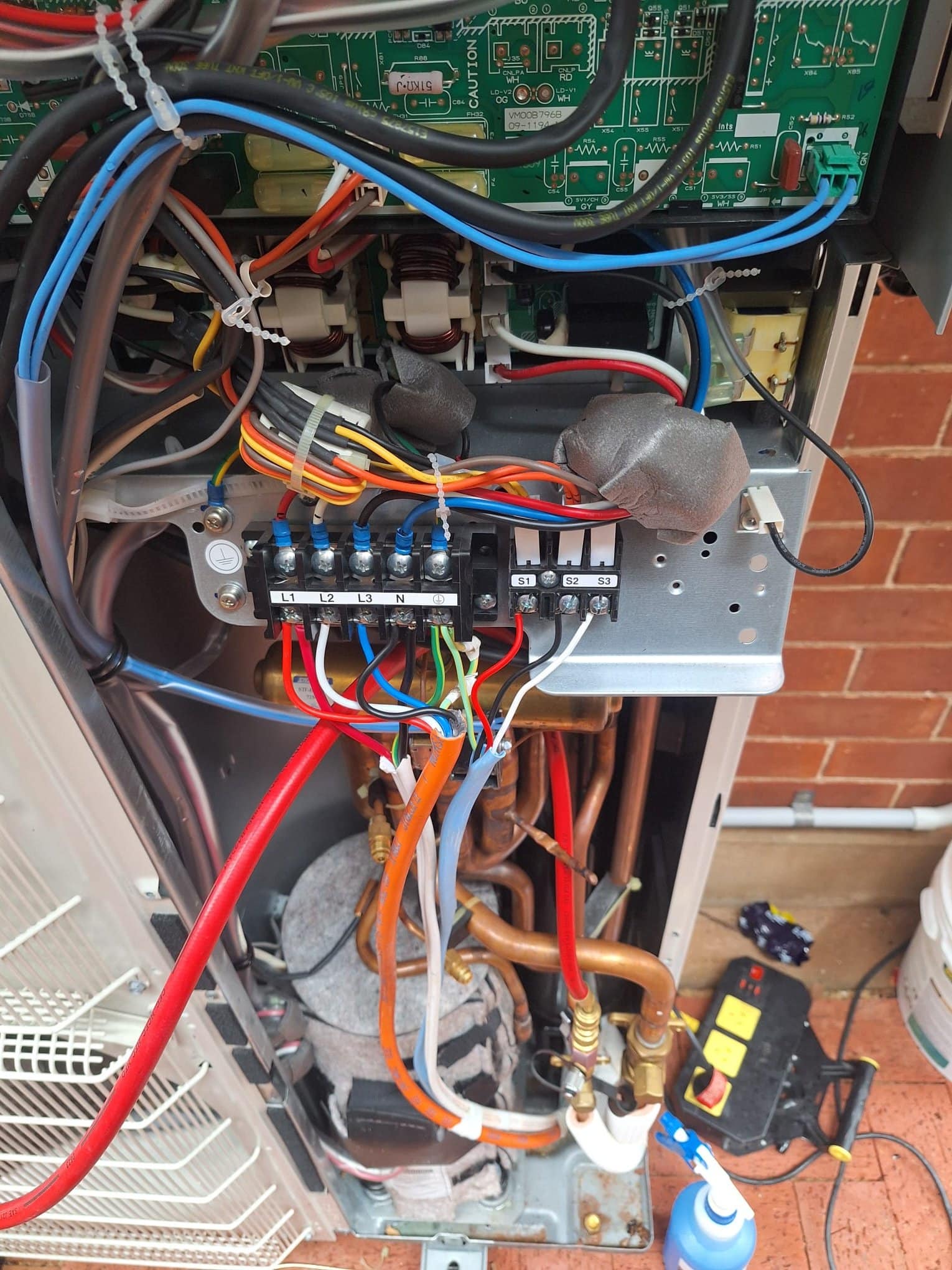
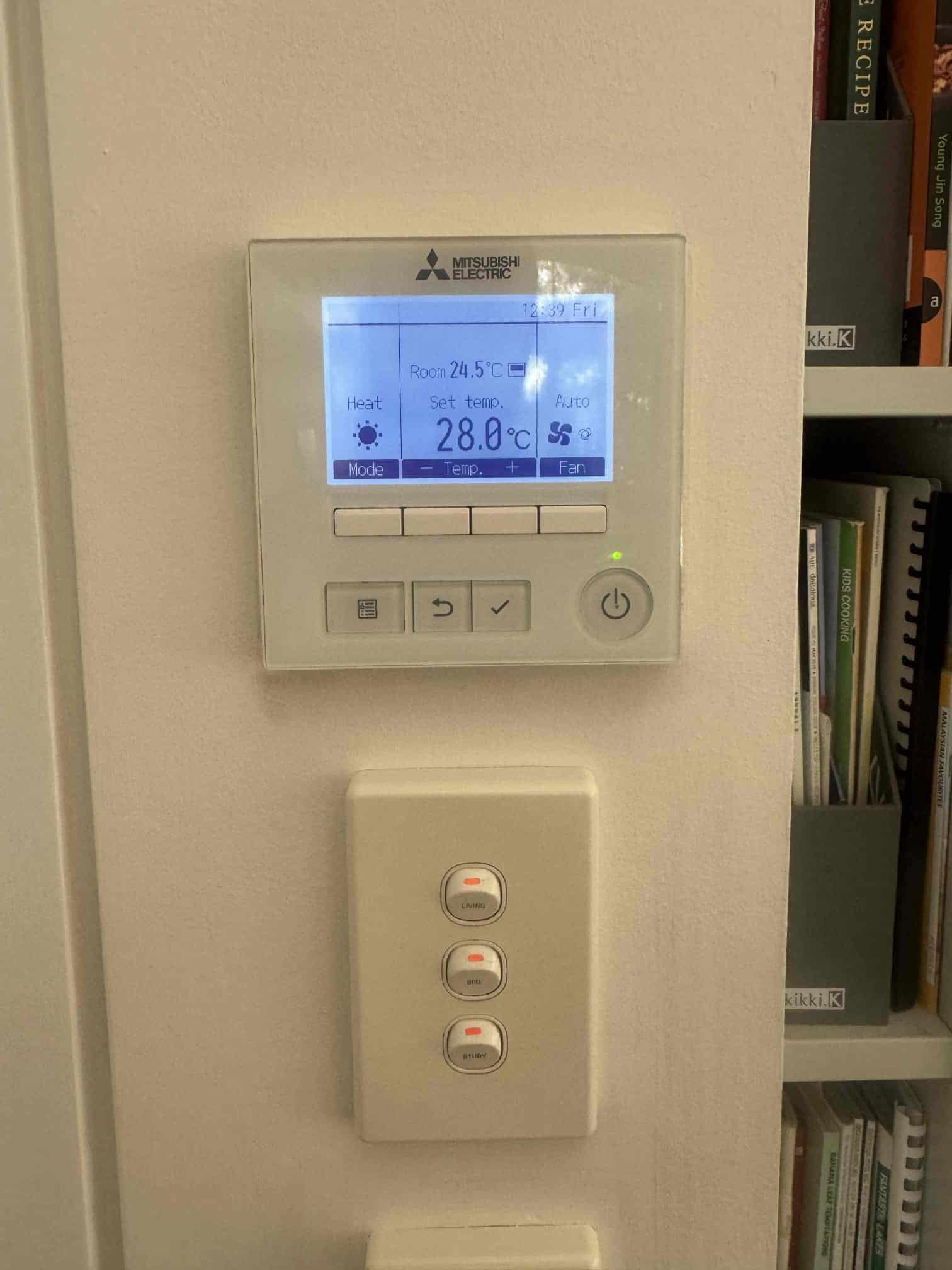
The communication cable between the indoor and outdoor units should run on its own, away from the high voltage cable. Bundled together to save time, it picks up interference and the units start dropping communication.
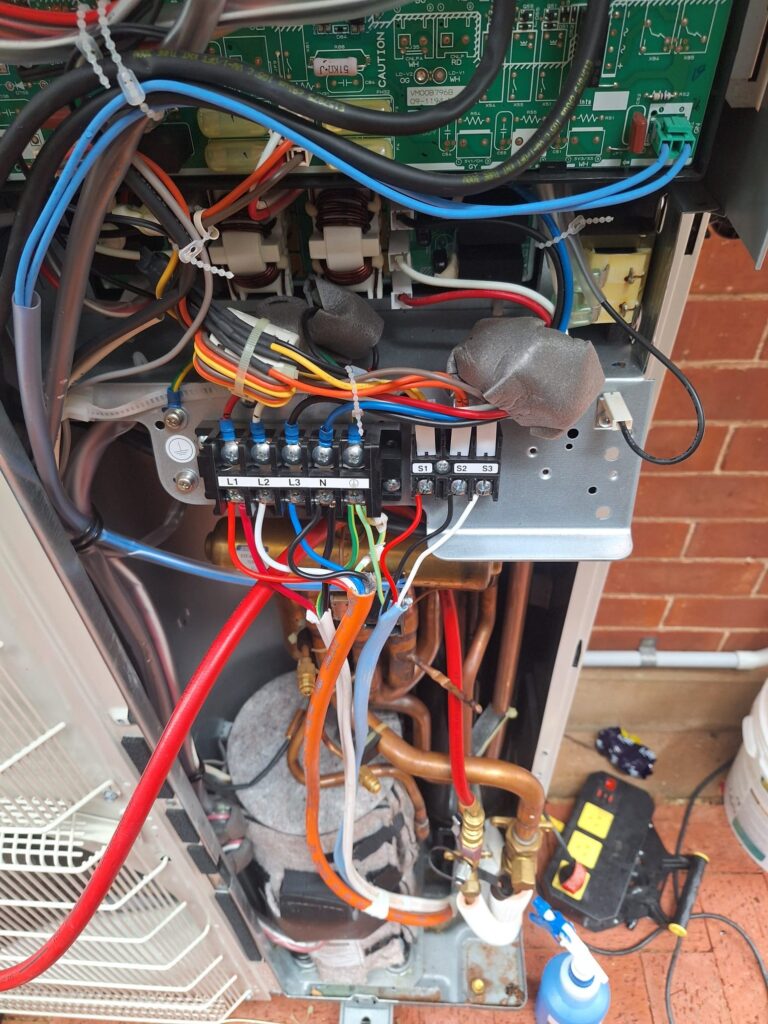
Communication faults the manufacturer won’t cover, because it’s an installation defect, not a warranty fault. And only if your original installer is still answering the phone.
Costs you later
$500 – $1,200
Anti-vibration springs
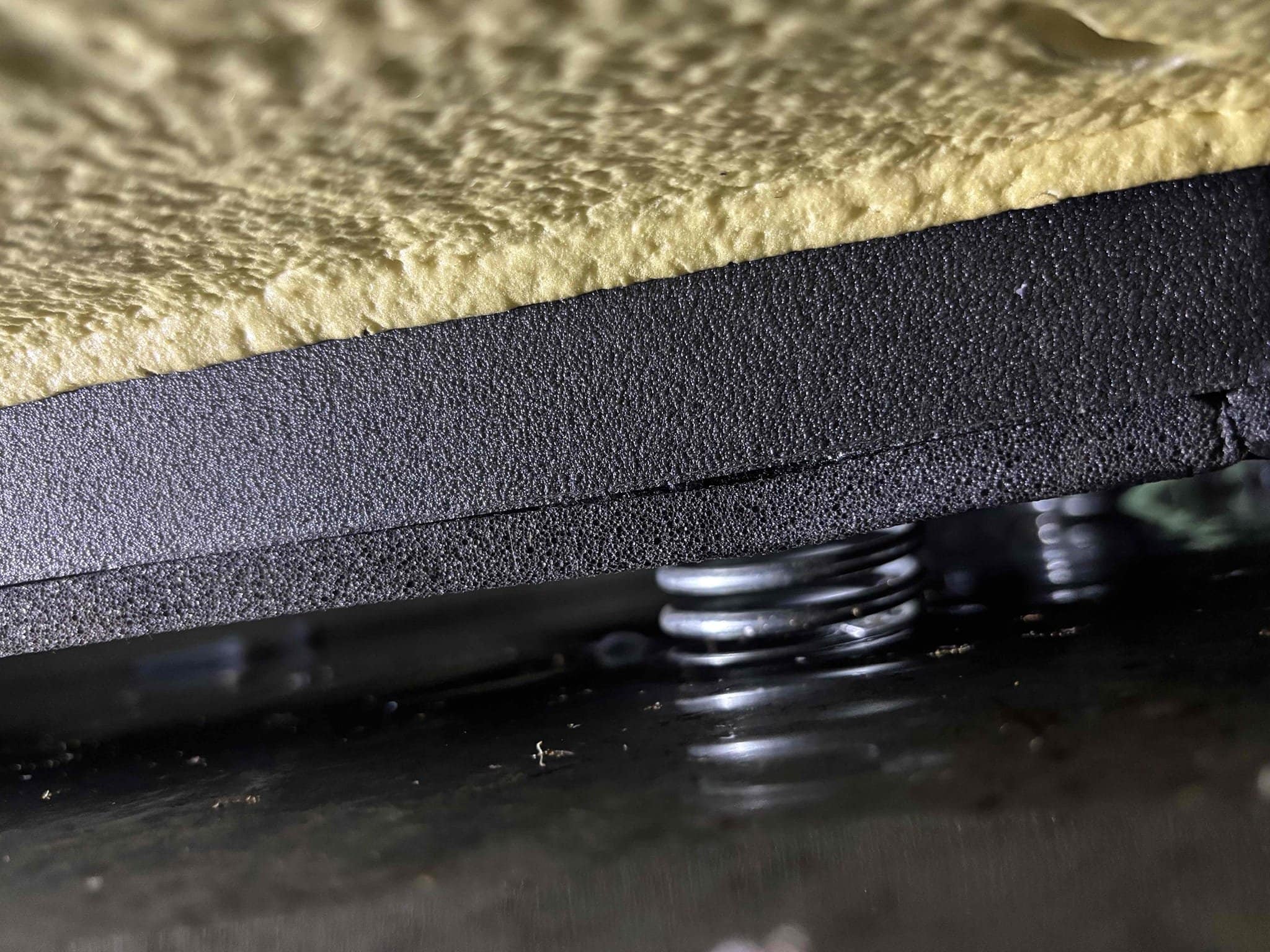
The indoor unit should sit on the right number of anti-vibration springs. Skipped, or only half fitted, the unit drags and droops, pulls on the drain and starts to rattle.
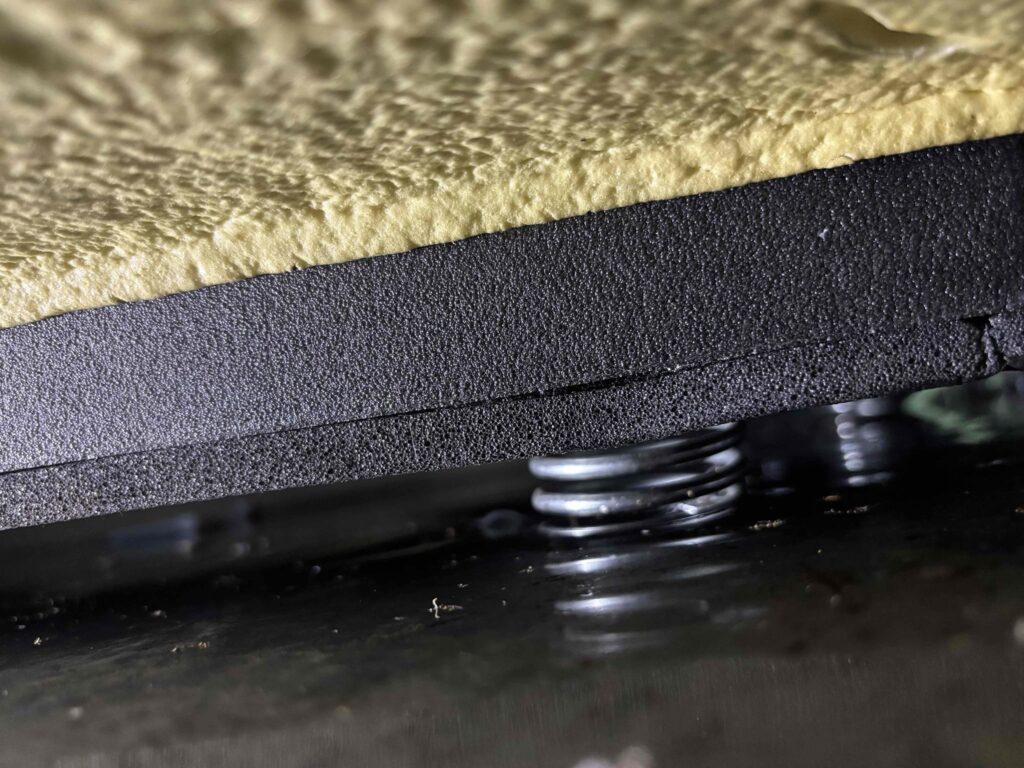
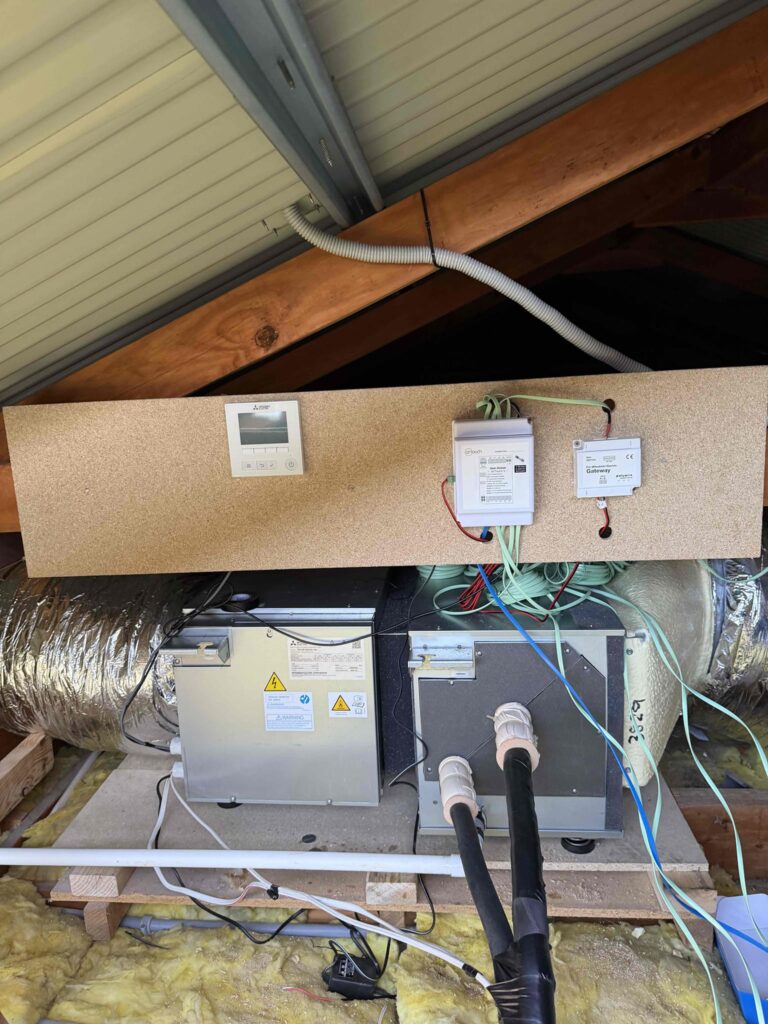
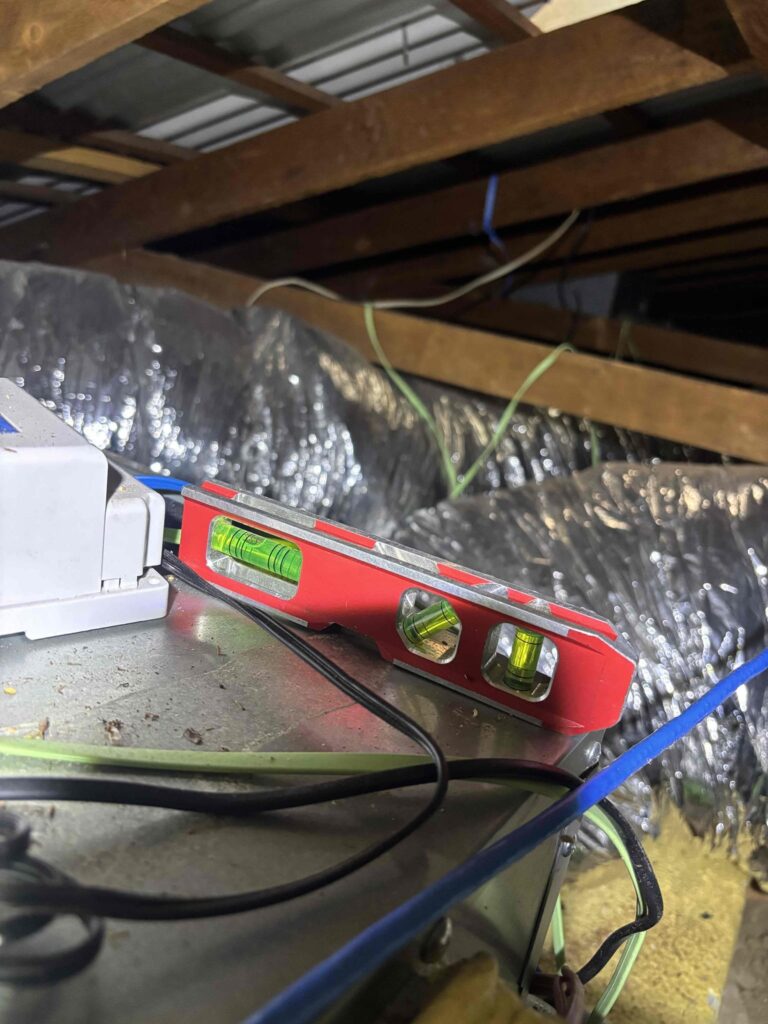
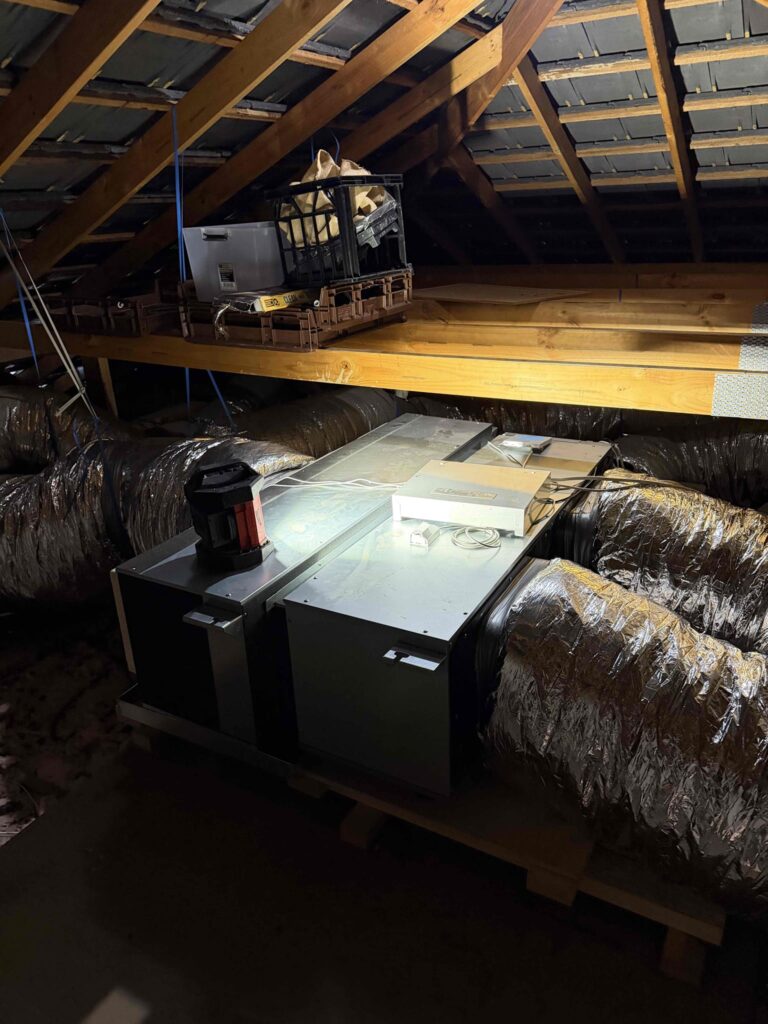
Tension on the drain line, sagging, and vibration noise carrying through the house.
Costs you later
$300 – $800
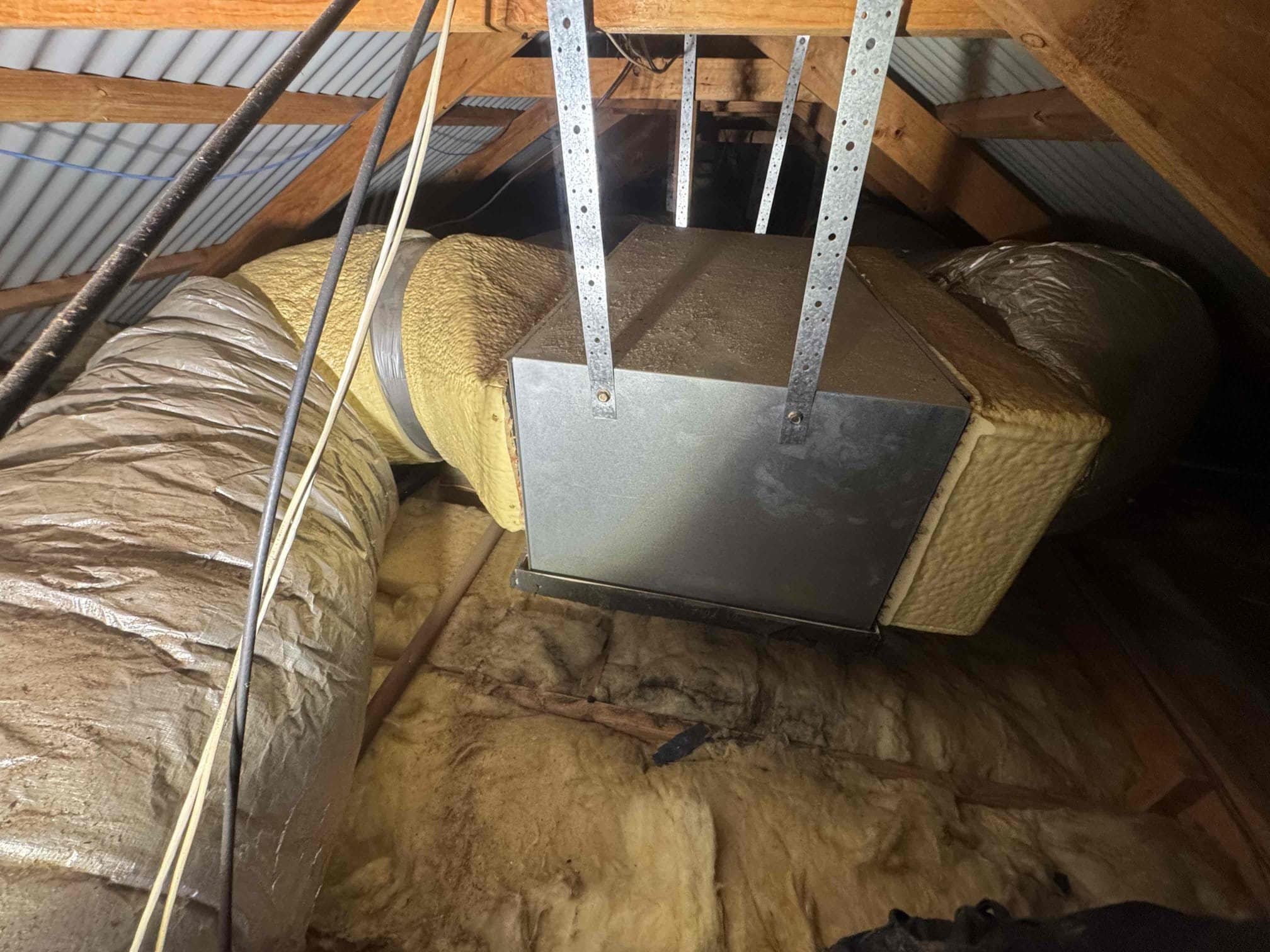
Duct transitions and sealing
The transitions from the unit to the flexi duct have to be sealed properly. If they’re not, you get air leaking out on the supply side, or unfiltered air drawn in on the return. That dirty air loads up the unit and chokes it.
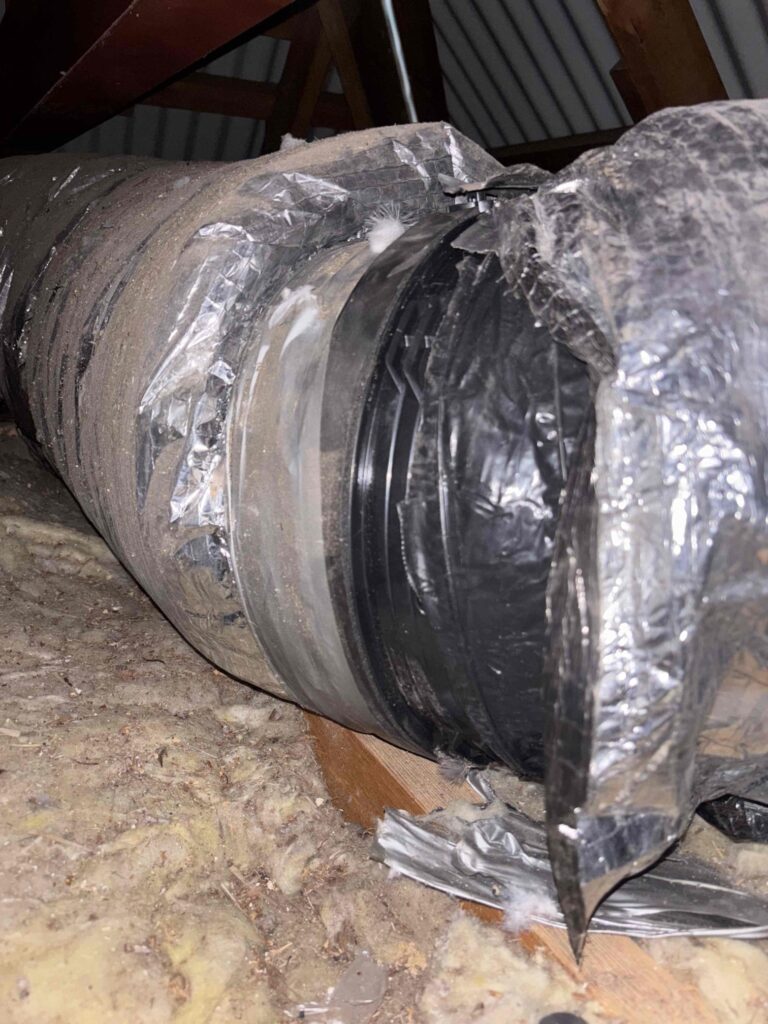
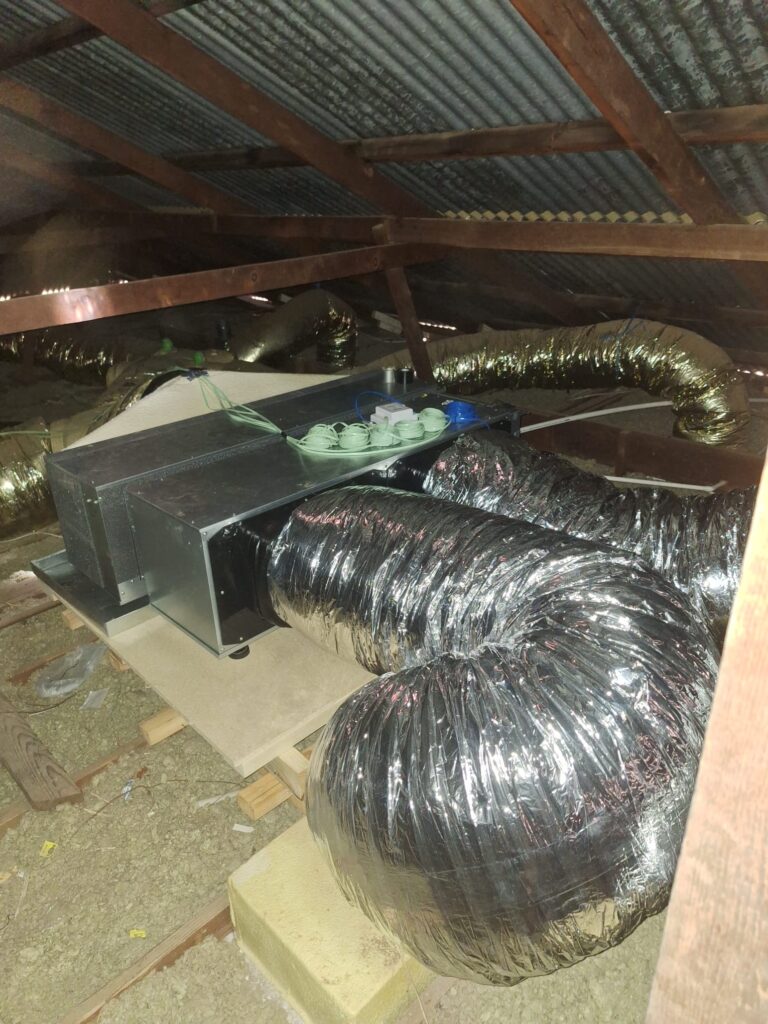
A unit clogging with dust, losing performance and pushing your running costs up, then the bill to pull it apart and clean it out.
Costs you later
$600 – $1,500
Return air ductwork
On a ducted replacement we always replace the return air duct on premium installations. It’s the intake, so it’s where years of dust and dirt collect, and it sits under negative pressure so it’s prone to collapsing. Leave the old one in and it eventually caves, and your brand new unit can’t breathe.
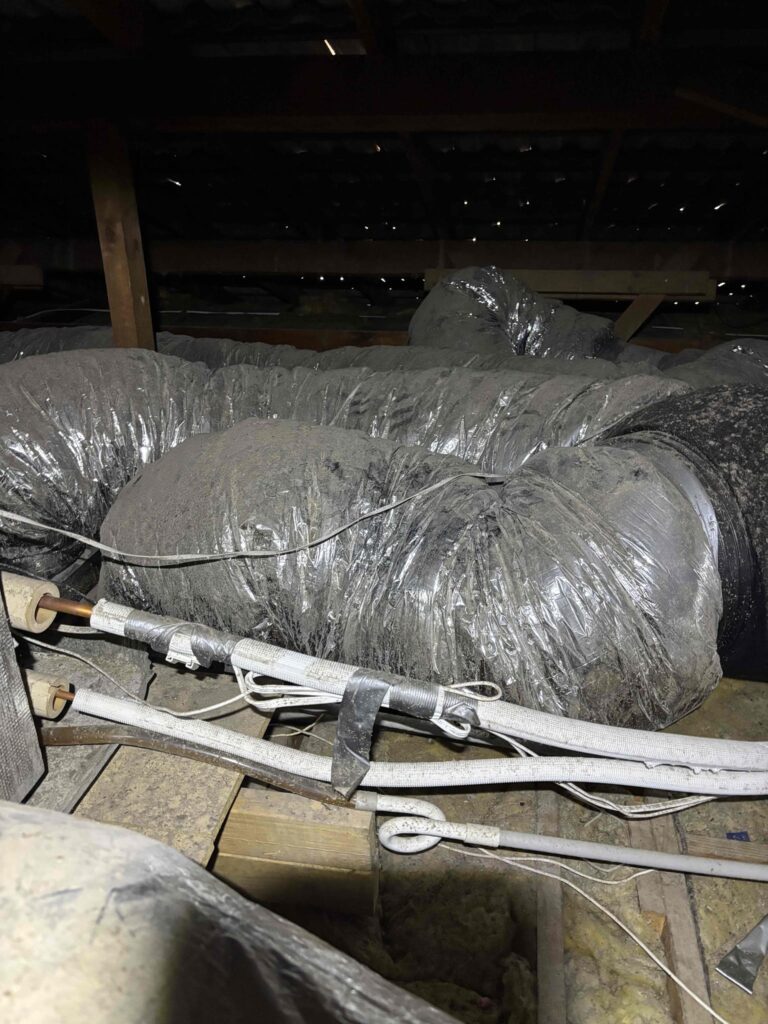
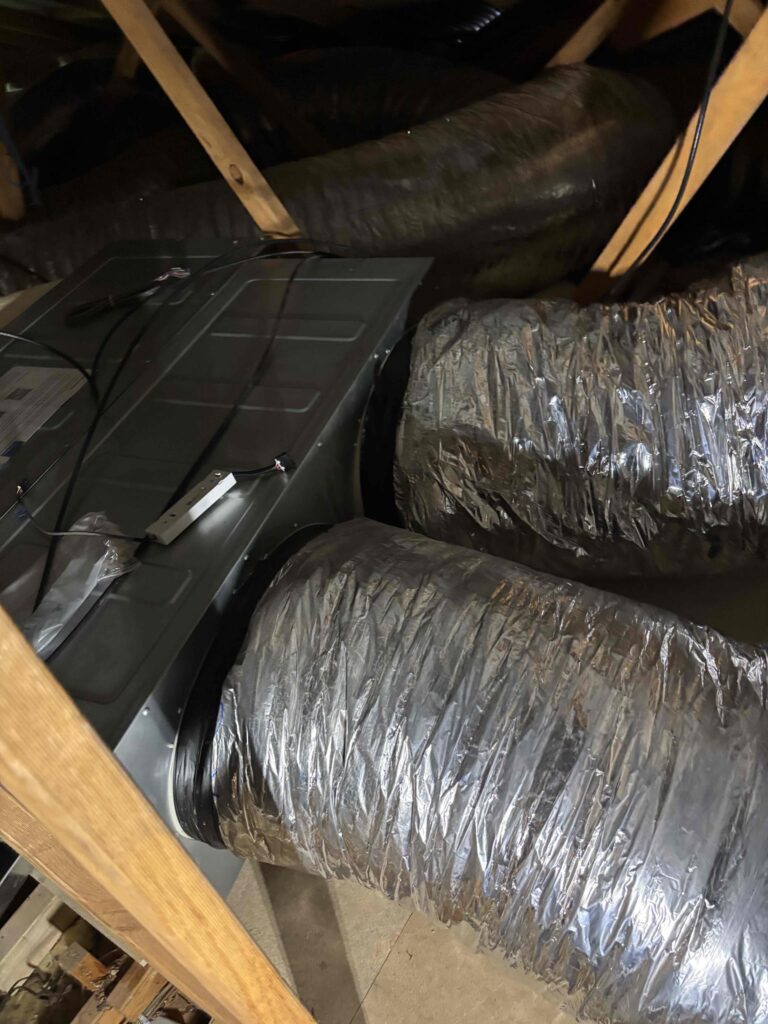
A collapsed return strangles a new system, so you’ve paid for performance you’ll never get.
Costs you later
$800 – $1,800
Sizing and setup
The decisions and final setup that decide whether the system actually does what you bought it for. None of it shows on the wall, but all of it shows on your power bill and in how comfortable the house is.
Correct unit capacity sizing
Plenty of quotes size the new system off the old one, on the assumption that whatever was there must have been right. Often it wasn’t. Undersize it and you’ll never be happy with it, and fixing it means doing the install twice.
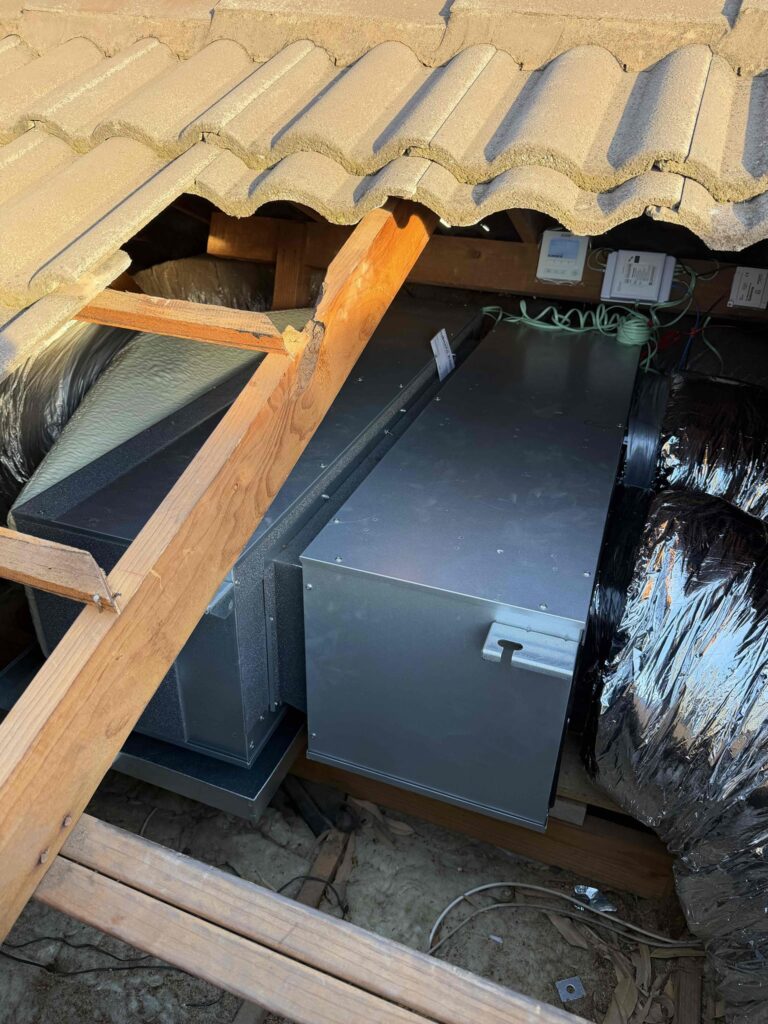
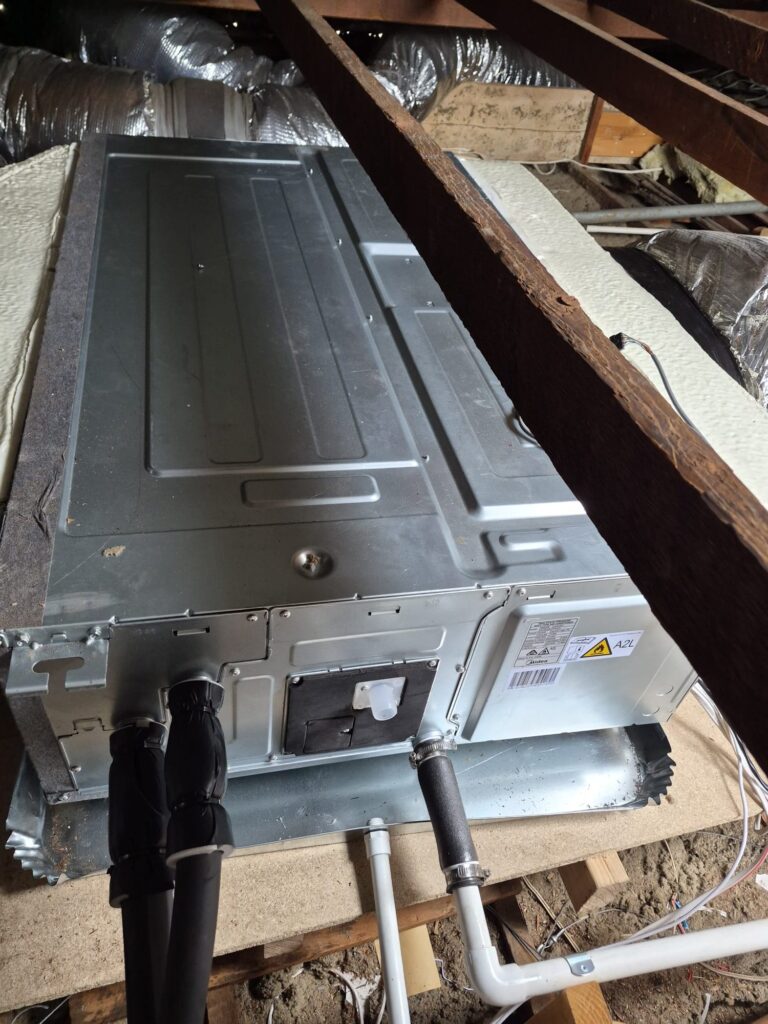
A system that can’t keep up, or one that’s oversized and short-cycling. Either way it’s money wasted.
Costs you later
$$$$$$ A whole new unit again
Controller upgrades
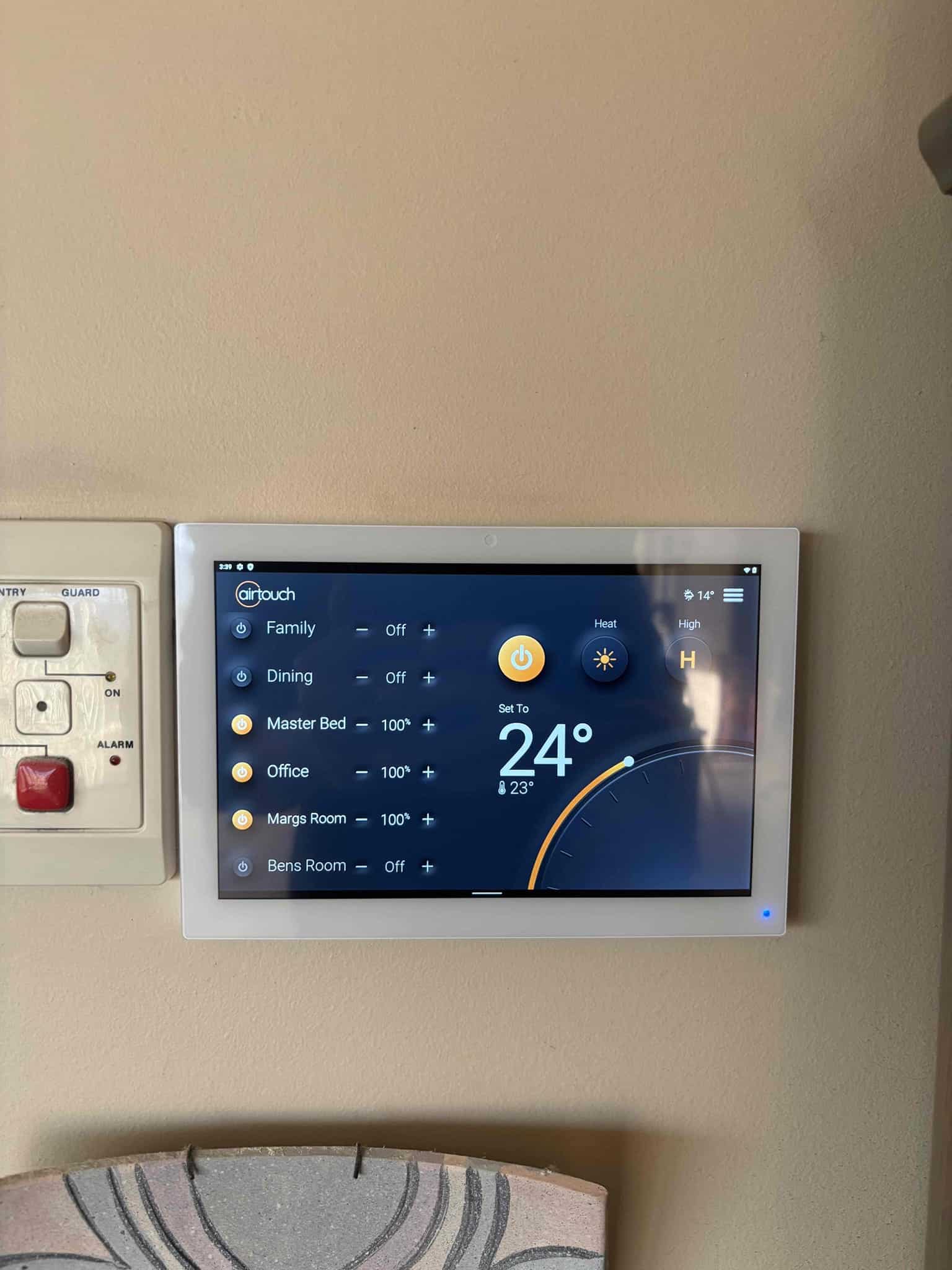
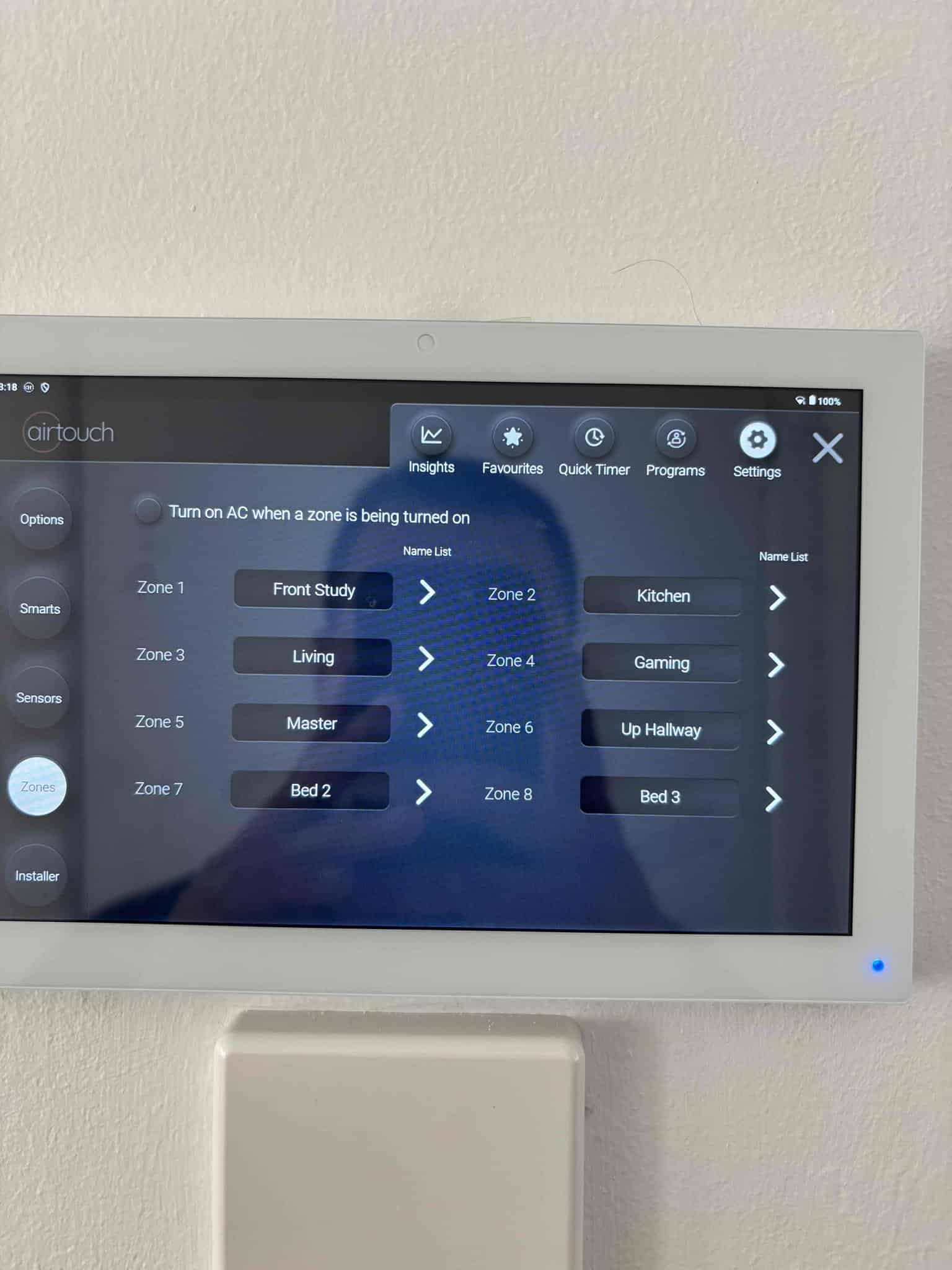
The newer controllers are genuinely good: better temperature control, lower running costs, airflow balancing and proper smart control. But they only deliver if they’re set up right. Fitted and left half configured, the sensors don’t work and all that benefit just sits there.
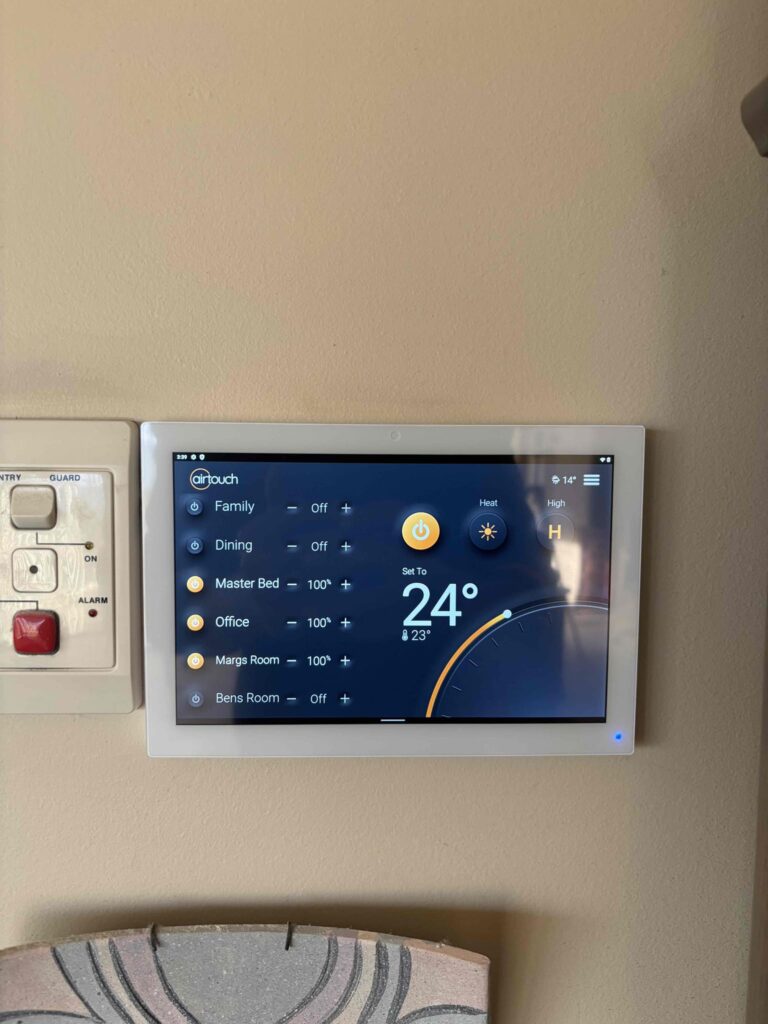
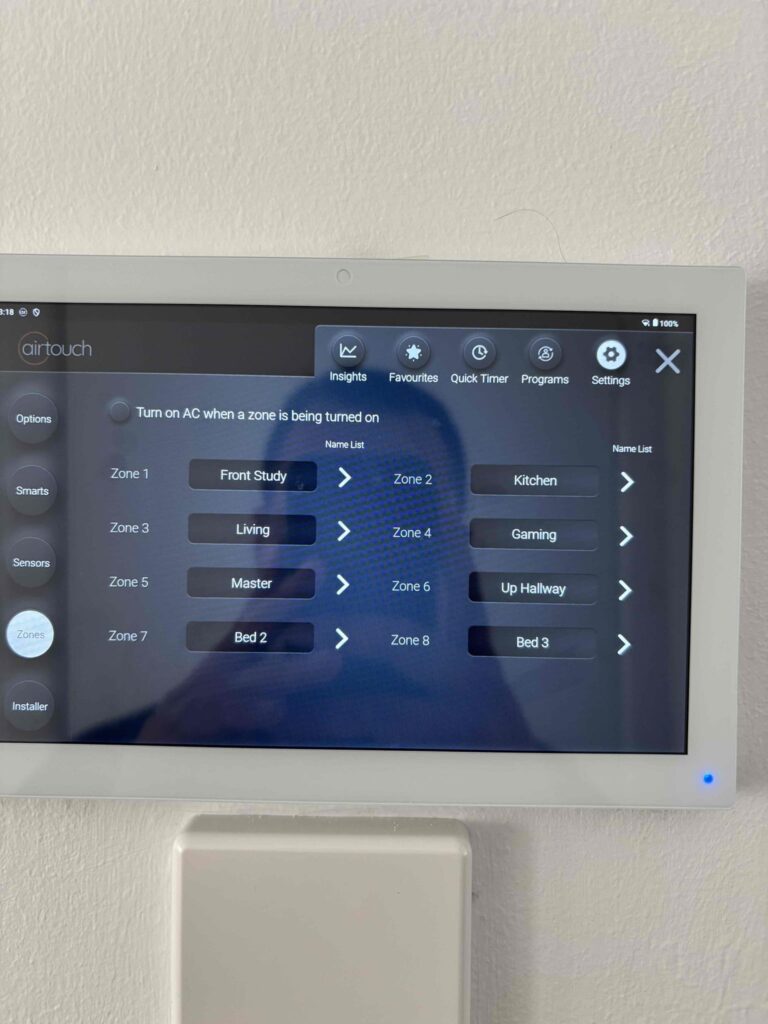
Sensors not reading right, and the energy savings you paid for that you never actually see.
Costs you later
Should be covered by installer warranty – Wastes time waiting for rectification
Commissioning
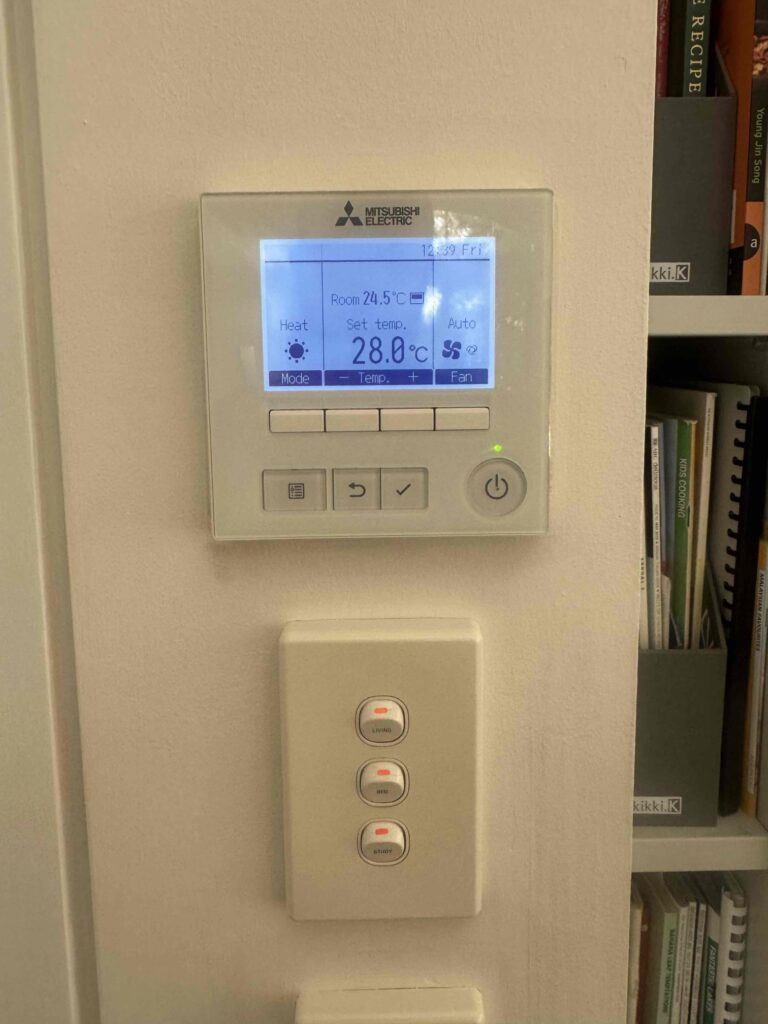
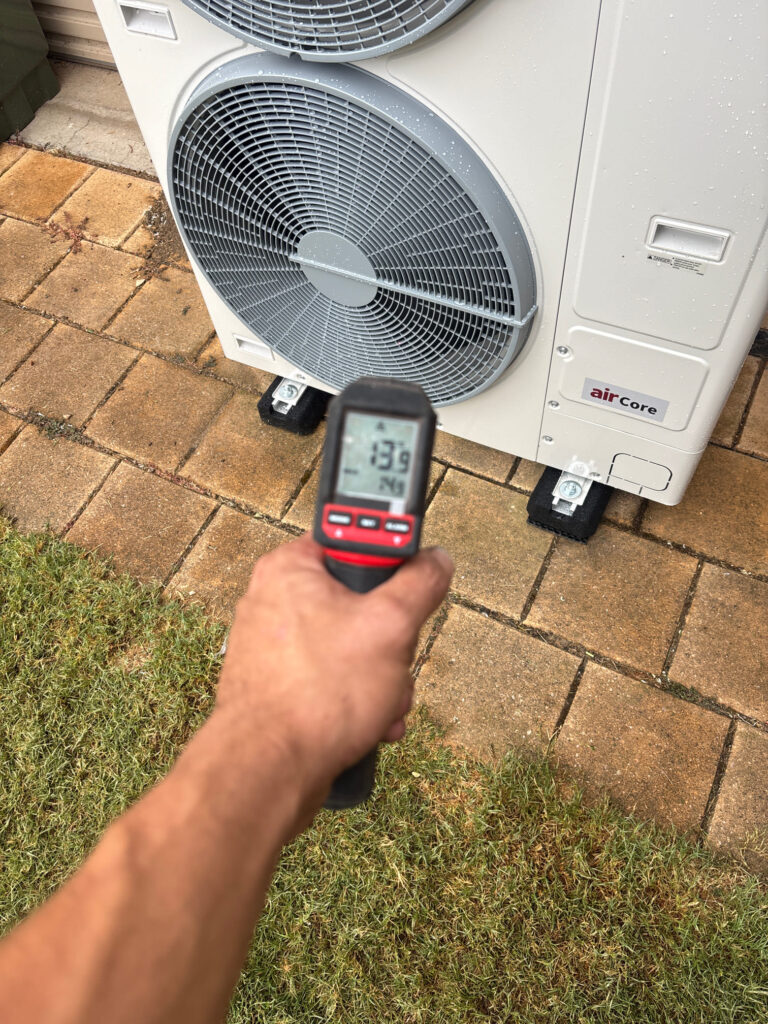
Commissioning is the final setup that makes the system run to its rating. We’ve gone to units that were never set up properly and have been running at sixty to eighty percent for years. The owner thinks the system’s no good, when really it was never switched on right.
A unit quietly running at sixty to eighty percent for years, costing you more to do less.
Costs you later
Years of higher bills on a system that was capable all along
What this looks like on a real job
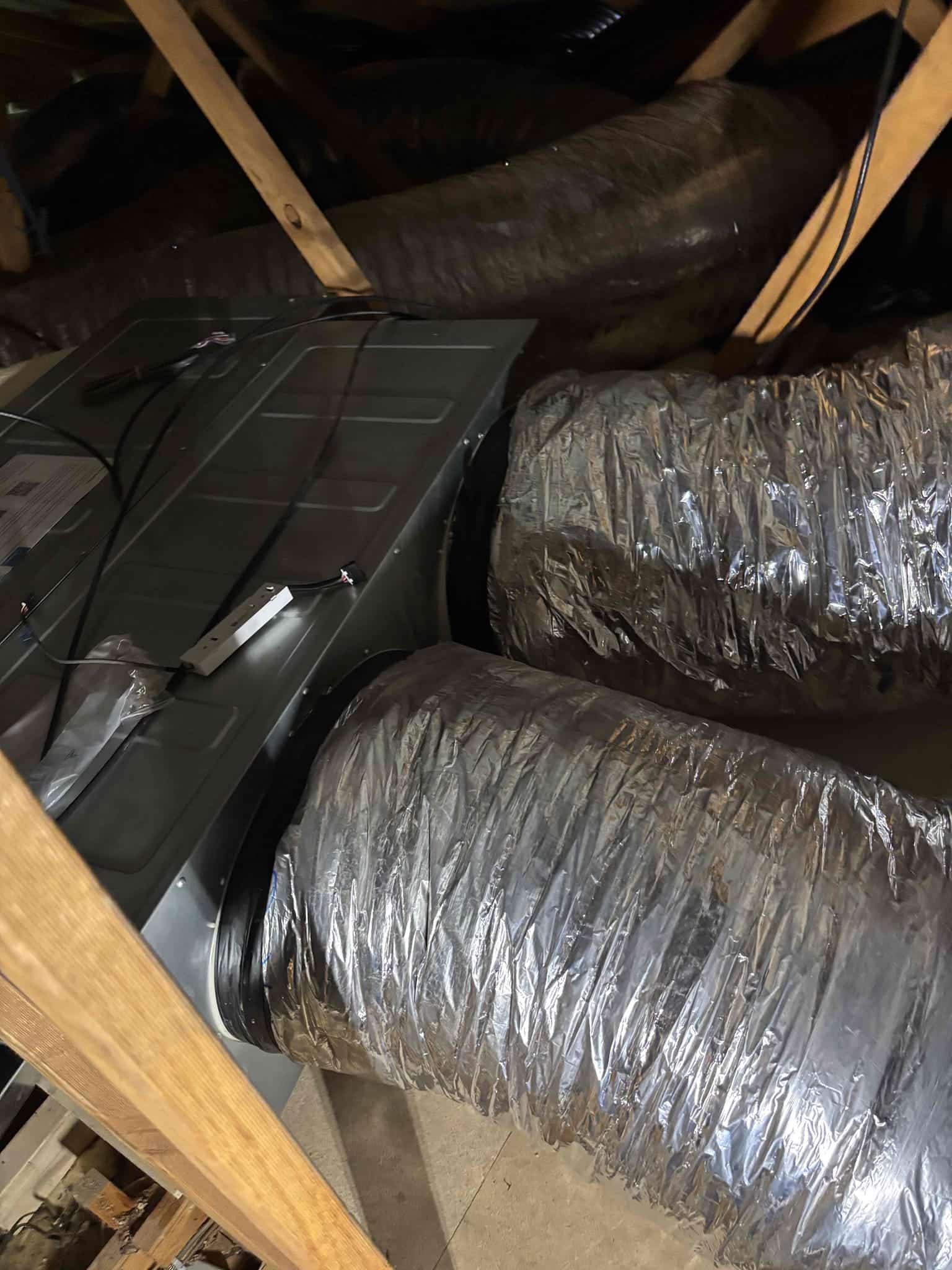
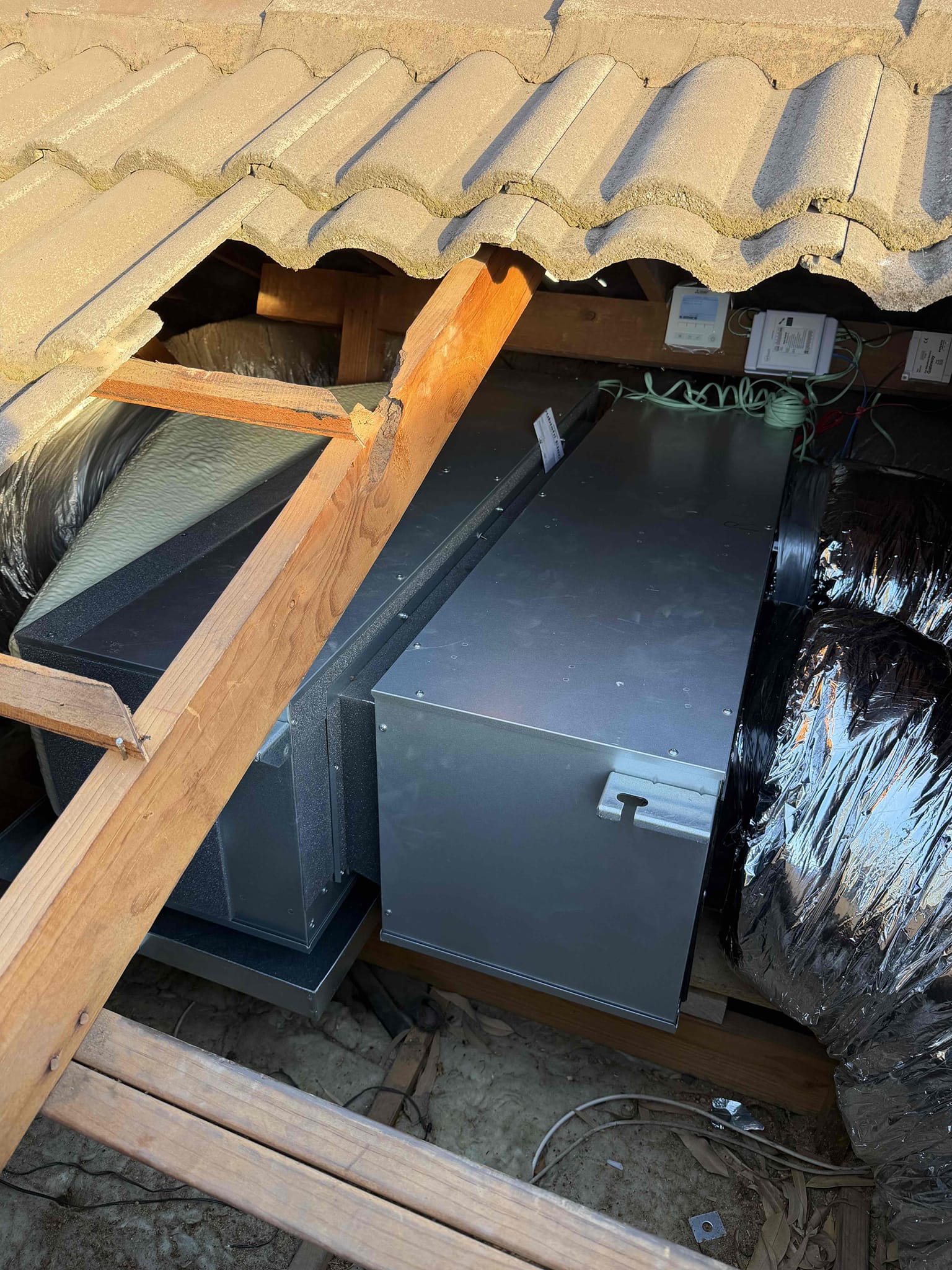
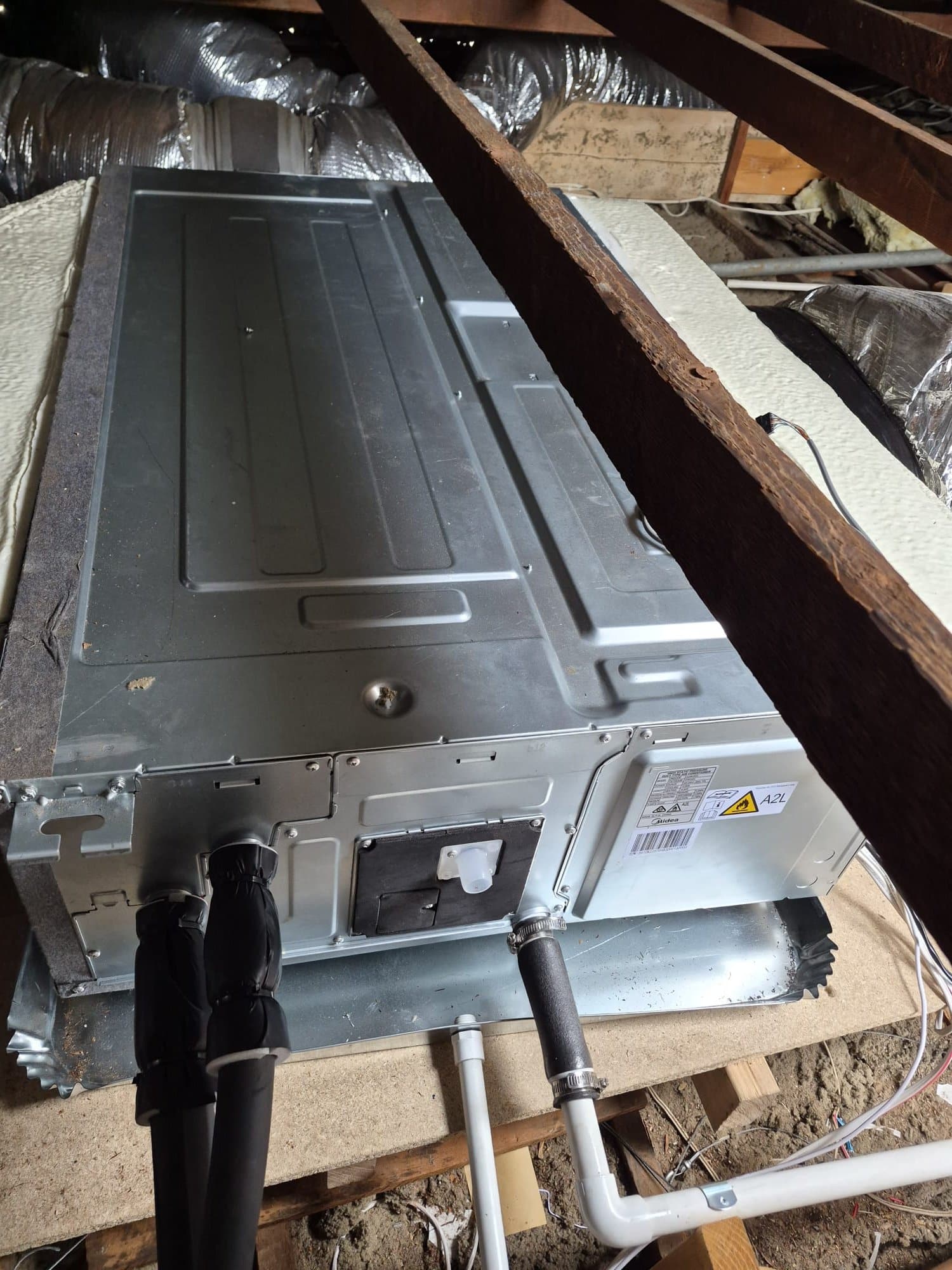
Here’s a recent one from Teringie, in Adelaide’s east, and it shows how many of the mistakes on this page can turn up in a single home. The interconnect cable had been bundled in with the power run, so the indoor and outdoor units kept dropping communication and the cable had to be replaced. The outdoor unit was squeezed in hard against a fence, recirculating its own hot air, and needed a deflector or a relocation to breathe. The copper was run in white pipe insulation, which looks fine on day one, but the sun perishes it within a few years and leaves the pipes exposed. The drains were undersized, with duct tape doing the sealing. No safety tray under the indoor unit. No anti-vibration mounts under it either. And the indoor pipes were never insulated. None of this was visible from inside the house. All of it was costing the owner money.
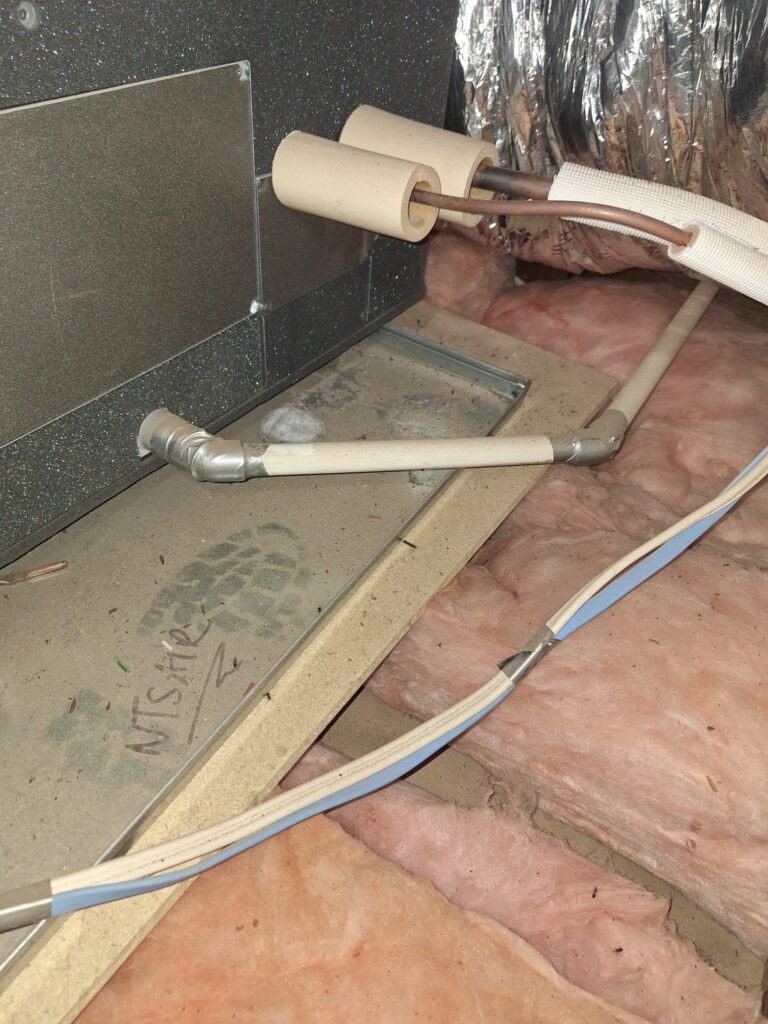
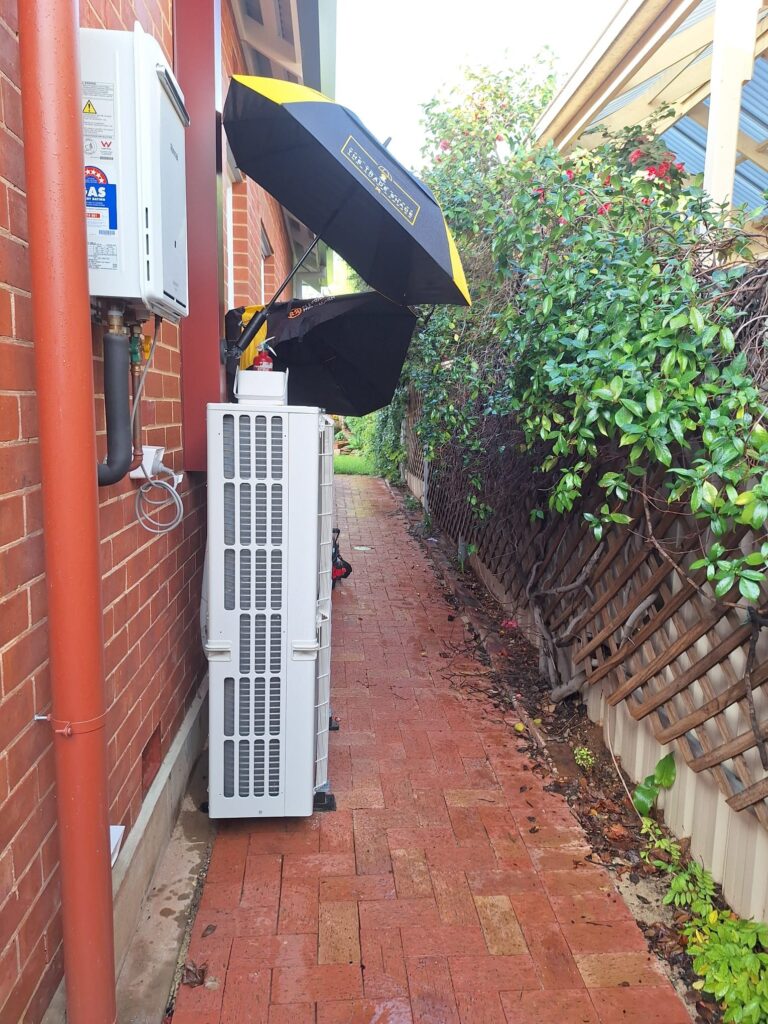
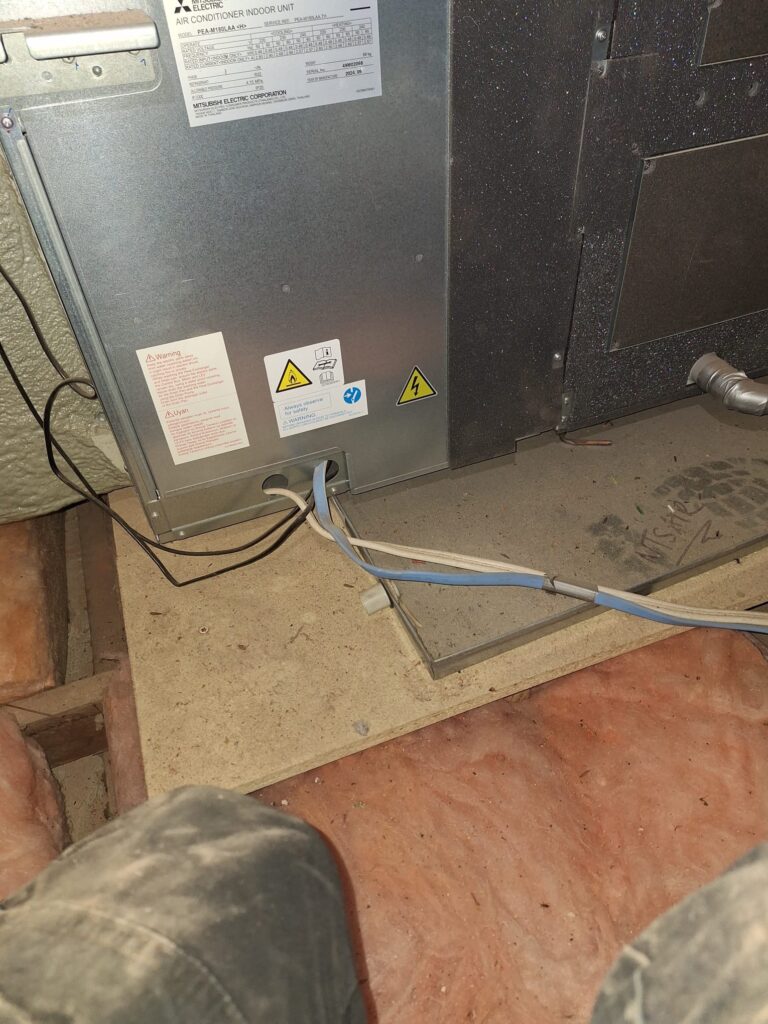
Every photo above is from that one job, taken by our techs on the day. Nothing staged, no stock images. That’s the standard within the industry and why we take the time to the job properly. This is what our lifetime labour warranty guarantees.
So which one are you actually paying for?
Every one of these can be fixed. None of it is rocket science. It just takes time to slow down and do it properly, and time is the one thing a two-or-three-jobs-a-day model doesn’t have. That’s not a knock on those installers. It’s the maths of how they have to work.
So the choice is yours. Pay less now and cover these yourself down the track, or pay properly once and have a system that’s right from the first day.
We back ours with a lifetime labour warranty, because when it’s done right the first time, we’re not the ones coming back to fix it.