
Preventative Maintenance Tips from Top Electrical Repair Specialists
When it comes to maintaining your electrical systems, proactive care is key. Waiting until a major fault occurs can be costly and dangerous. As any seasoned electrical repair specialist will tell you, proper preventative maintenance can keep your systems running smoothly, avoid sudden breakdowns, and extend the life of your equipment. Whether you’re managing electrical systems in your home or a commercial building, these maintenance tips will help you stay ahead of any potential issues.
Routine Visual Inspections
The first line of defence in electrical maintenance is regular visual inspections. While you don’t need to be an expert, knowing what to look for can help you spot potential problems before they escalate. Start by examining outlets, light switches, and appliances for signs of wear and tear, including:
- Burn marks or discoloration around outlets or switches
- Unusual sounds like buzzing or sparking
- Frayed or damaged electrical cords
These warning signs might indicate underlying electrical issues such as overheating, loose connections, or short circuits, all of which can lead to more serious malfunctions if left unaddressed.
“It is not unusual to do an inspection and find something that needs correction.” – Sharon Watson, Writer
Test Safety Devices Regularly
Safety devices like Residual Current Devices (RCDs) and arc fault circuit interrupters (AFCIs) are essential for preventing electrical hazards, including shocks and fires. Electrical repair specialists recommend testing these devices at least once a month to ensure they’re functioning correctly.
Here’s how to do it:
- For RCDs: Press the “test” button. You should hear a click, and the connected device should lose power. Press “reset” or reset switch to restore power.
- For AFCIs: Use the “test” button on the circuit breaker or device. If it trips, that means it’s working properly.
- If these devices fail during testing, it’s time to call in a professional to replace or repair them.
Check for Overloaded Circuits
Overloaded circuits are a common cause of electrical problems. This occurs when too many devices are connected to a single circuit, causing an excessive power draw. It is defined by the blog, How to Prevent Electrical Overloads: An Ultimate Guide, as asking your electrical system to do more than what it is designed to do. Over time, this can lead to overheating, breaker trips, or even electrical fires.
To avoid overloading:
- Spread out the use of appliances and devices across multiple circuits
- Pay attention to breaker trips, which are an indicator of circuit overload
- Avoid daisy-chaining multiple extension cords or power strips
- If you frequently experience overloaded circuits or tripped breakers, an electrical repair specialist can assess your home or building’s electrical capacity and make necessary upgrades.
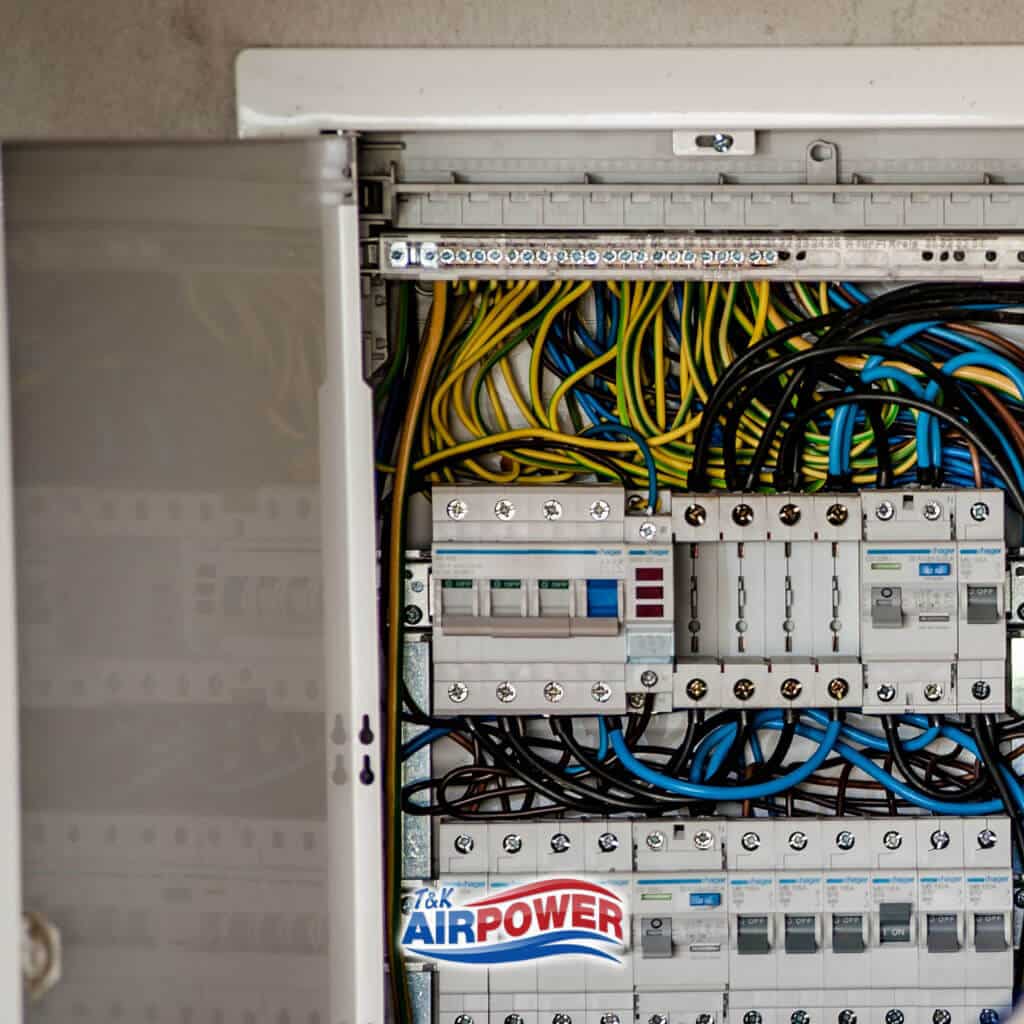
Keep Electrical Panels and Circuit Breakers Clean
Electrical panels and circuit breakers are the nerve centres of your electrical system. Dust, debris, and moisture buildup in these areas can lead to overheating or poor connections, which can cause electrical malfunctions.
Make sure to:
- Keep your panel area free of clutter
- Wipe down the exterior of the panel with a dry cloth
- Regularly check for moisture or corrosion, which can be signs of more serious problems
While you should never open the panel or handle internal components unless you’re trained, having an electrical repair specialist inspect and clean the system during routine maintenance is a smart precaution.
Maintain Electrical Appliances
Household and commercial appliances consume significant amounts of electricity. Maintaining them not only helps extend their life but also ensures they aren’t overworking your electrical system. Here are some ways to keep appliances running efficiently:
- Clean out dryer vents and air filters regularly to prevent overheating
- Inspect the seals around refrigerator doors to ensure they close tightly, preventing wasted energy
- Replace worn-out electrical cords or plugs to avoid short circuits
Regular maintenance also includes checking the wattage of appliances and ensuring they are compatible with your home’s or building’s electrical system. Over time, outdated or faulty appliances can draw excessive current, causing damage to your electrical system.
Schedule Professional Electrical Inspections
Even the most diligent DIY inspections won’t catch everything. A key part of preventative maintenance is having an electrical repair specialist perform routine inspections of your electrical systems. A professional can identify and resolve small issues before they escalate into costly repairs or replacements. Additionally, since electrical systems are very complex and can do harm to those who are not familiar with how they work, the blog, The Importance of Hiring a Professional for Electrical Inspections and Outlet Repair, also suggests that inspections should only be conducted by professionals.
Consider an annual inspection where the electrician can:
- Tighten loose connections
- Test the condition of your wiring
- Assess the capacity of your electrical panel
Professional inspections are especially important for older homes and buildings where wiring and electrical infrastructure may be outdated and more prone to failure.
Upgrade Aging Electrical Systems
As technology advances and we become more dependent on electrical devices, our electrical systems need to keep up. Older homes or commercial buildings often have outdated wiring, panels, or circuits that may not meet modern electrical demands.
Warning signs that your electrical system might need an upgrade include:
- Flickering or dimming lights when using appliances
- Frequently tripped breakers
- An outdated electrical panel (fuse boxes or insufficient circuit capacity)
- Over-reliance on extension cords
If you notice any of these signs, it may be time to contact an electrical repair specialist to assess and upgrade your system. A proactive upgrade can prevent future malfunctions and ensure that your property’s electrical infrastructure is safe and reliable.
Educate Household Members or Employees
Preventative electrical maintenance isn’t just the responsibility of the property owner or manager. Everyone who uses the electrical system should be informed about proper usage and safety. Encourage family members or employees to follow these best practices:
- Unplug appliances when not in use
- Avoid using damaged cords or faulty equipment
- Report any electrical issues or concerns immediately
By fostering an awareness of electrical safety and proper usage, you can reduce the likelihood of accidents and extend the life of your electrical systems.
Use Energy-Efficient Solutions
Energy efficiency is not only better for the environment, but it also places less strain on your electrical system. Switching to energy-efficient appliances, LED lighting, and smart thermostats can reduce your overall electrical load, minimising the risk of overloads or malfunctions.
“Every day we are paying more for energy than we should due to poor insulation, inefficient lights, appliances, and heating and cooling equipment – money we could save by investing in energy efficiency.” – Bernie Sanders, an American Politician and Activist
Electrical repair specialists often recommend energy-efficient upgrades during routine inspections because they can help reduce the overall wear and tear on the electrical system. If you’re considering upgrades, consult with a specialist to find the best solutions for your home or business.
Establish a Preventative Maintenance Schedule
Finally, the best way to ensure that your electrical systems remain in top condition is by establishing a regular preventative maintenance schedule. Keep a checklist of maintenance tasks, and make sure to schedule professional inspections on an annual or biannual basis. This can prevent costly repairs down the road and ensure that your systems remain safe, efficient, and reliable.
Taking a proactive approach to your electrical systems can save you time, money, and stress. These preventative maintenance tips from top electrical repair specialists are essential for ensuring the longevity and safety of your home or business’s electrical system. From routine inspections to regular professional assessments, staying ahead of potential problems will keep your system running smoothly for years to come.
When in doubt, always consult a certified electrical repair specialist for any concerns about your electrical system. Their expertise will ensure that your systems are properly maintained and that any issues are quickly and efficiently resolved.
Ensure your home’s safety. Contact T&K Airpower for your electrical maintenance needs.
FAQs
Why is preventative maintenance important for electrical systems?
Preventative maintenance is crucial for electrical systems because it helps identify small issues before they become costly repairs. Regular maintenance ensures your electrical systems run efficiently, reduces the risk of unexpected breakdowns, and extends the life of your equipment.
How often should electrical systems be inspected?
It is recommended to have your electrical systems professionally inspected at least once a year. For older homes or commercial buildings, more frequent inspections may be necessary to ensure safety and functionality.
What are the signs of an overloaded circuit?
Common signs of an overloaded circuit include flickering or dimming lights, frequently tripped breakers, and buzzing sounds near outlets. These signs indicate that the circuit is handling too much electrical load, which can lead to overheating and fire risks if not addressed.
How can I prevent electrical appliances from overloading circuits?
To prevent overloading, spread your electrical devices across different circuits and avoid plugging too many high-energy appliances into one outlet. Using energy-efficient devices and upgrading your electrical panel can also help manage the load more effectively.
What is the best way to maintain electrical appliances?
Regularly cleaning your appliances, checking for worn-out cords or plugs, and ensuring appliances are compatible with your electrical system can help prevent malfunctions. It’s also important to unplug devices when not in use to conserve energy and reduce wear.
What should I do if my RCD or AFCI outlets aren’t working?
If your RCD or AFCI outlets fail to trip during testing, it’s a sign they may need replacement. Contact a certified electrical repair specialist to inspect and replace faulty outlets to maintain proper protection against electrical hazards.
How can I tell if my home’s electrical system needs an upgrade?
If you notice flickering lights, frequent breaker trips, or have an outdated electrical panel, it may be time for an upgrade. Older systems often struggle to handle modern electrical demands, and upgrading can enhance safety and efficiency.
What should I include in my electrical maintenance checklist?
Your electrical maintenance checklist should include regular visual inspections, testing RCD and AFCI outlets, cleaning electrical panels, and scheduling professional inspections annually. These steps will help ensure your system operates safely and efficiently.
Don’t wait for an electrical issue to become a costly problem. Schedule a free health check with our certified technicians at T&K Airpower and stay ahead of potential breakdowns. Contact us today!